The House on Wednesday rejected a proposed amendment to the U.S. Constitution that would require Congress to balance the federal budget within five years of its ratification.
The 211-207 vote was short of the two-thirds support needed to approve a constitutional amendment. Only one Democrat, Rep. Henry Cuellar of Texas, voted with Republicans in support.
The national debt surpassed $39 trillion this month and is on track to more than quadruple in the next 30 years if Congress does not make significant changes to government spending and revenues, according to projections from the Congressional Budget Office.
The proposed constitutional amendment specifies that annual government expenditures should not exceed the average annual revenue collected in the three years prior – “adjusted in proportion to the changes in the population of citizens of the United States and inflation.”
Debt payments would be exempt from the requirement.
The goal of the balanced budget amendment is to prevent the U.S. from needing to borrow more money, but the measure allows Congress to approve deficit spending by a two-thirds vote, or by a simple majority if the body has declared war.
“Congress has chosen to max out our national credit card and leave the bill to the next generation instead of having hard conversations about spending,” said Rep. Andy Biggs, the Arizona Republican who sponsored the measure.
He said interest on the debt is one of the largest line items in the federal budget – more than Medicare and the defense budget – and eliminating that expense should be a priority of Republicans and Democrats alike, regardless of their policy priorities.
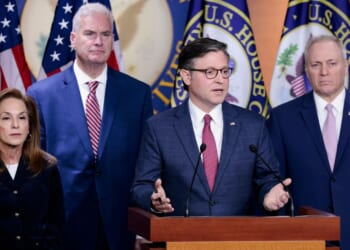
Mr. Biggs is a member of the House Freedom Caucus, which secured a commitment from Speaker Mike Johnson for a House vote on the balanced budget amendment as part of their negotiations on the GOP’s budget reconciliation law, the One Big Beautiful Bill Act.
Democrats said Republicans are hypocrites for pushing the balanced budget amendment after supporting the sweeping tax cuts in that law, which CBO has estimated would add $4 trillion to the deficit over the next decade.
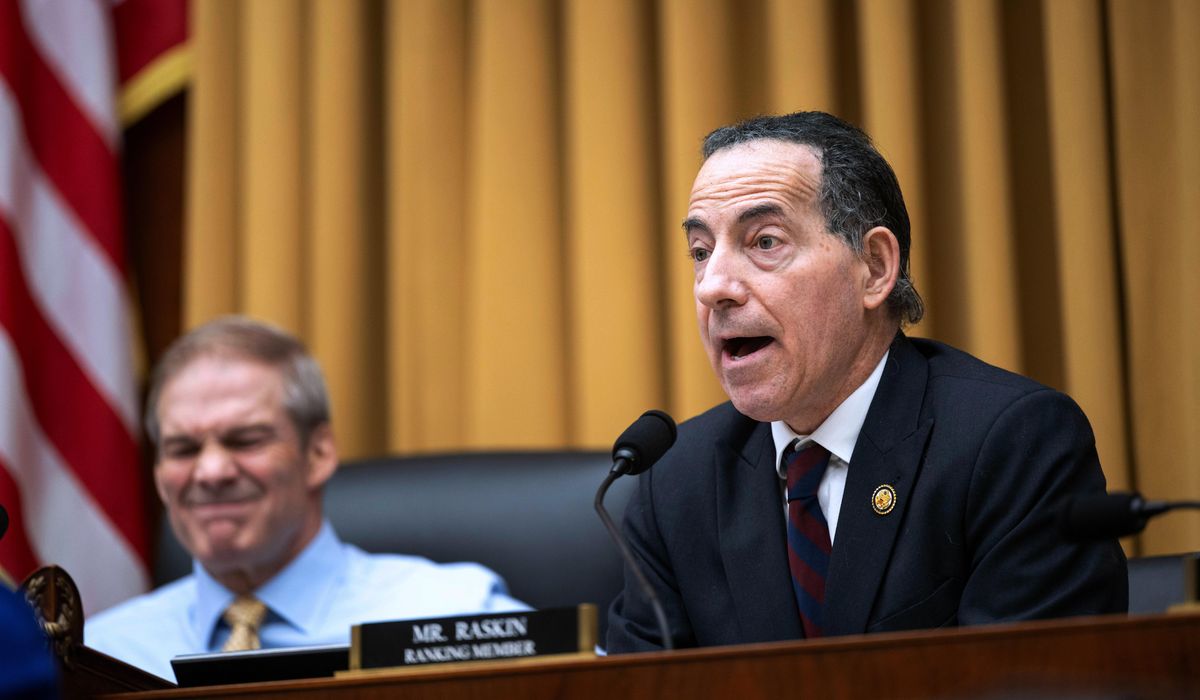
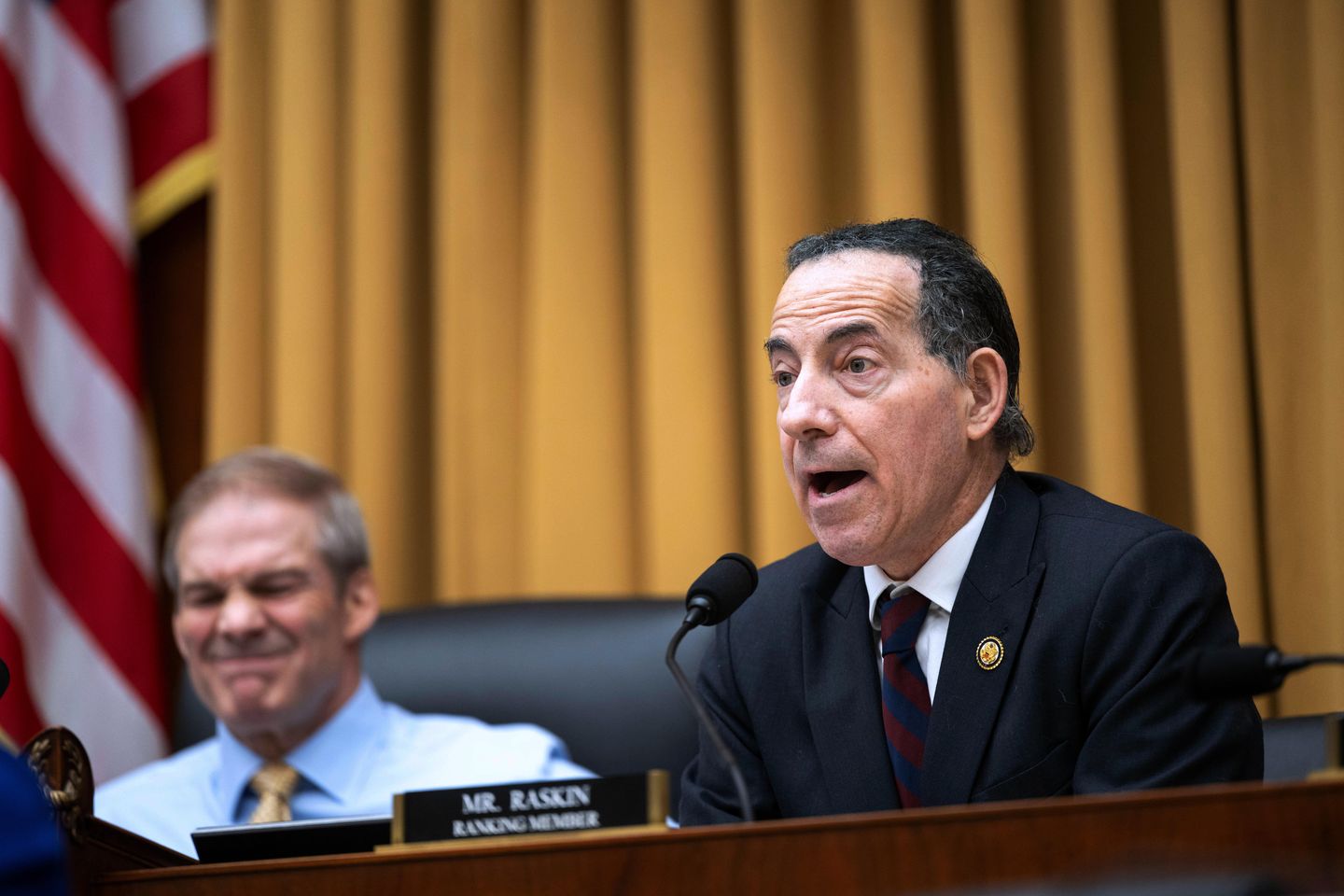
Rep. Jamie Raskin, Maryland Democrat, called it a “feeble attempt by the president’s budget-busting, blank-check enablers in Congress to distract America from their own staggering and historic fiscal irresponsibility.”
“They’ve used their total power over our federal government to drive our country into a deep ditch of deficits, debt, illegal tariffs, undeclared wars and economic destruction,” he said.
Democrats took particular issue with a provision in the balanced budget measure that would require a two-thirds majority of Congress to approve any new tax increases.
House Budget Chairman Jody Arrington, Texas Republican, said “knuckleheads” in Congress lack the political will to address the debt crisis, so a balanced budget amendment is needed as a “forcing mechanism.”
He suggested the states call a Constitutional Convention to add the amendment if lawmakers will not.
“Let’s let them rein us in, restore fiscal sanity in their nation’s capital, and reverse the curse that looms large over this country,” he said.
Every state except Vermont has some form of a balanced budget requirement, but they vary in strictness, according to the National Association of State Budget Officers.