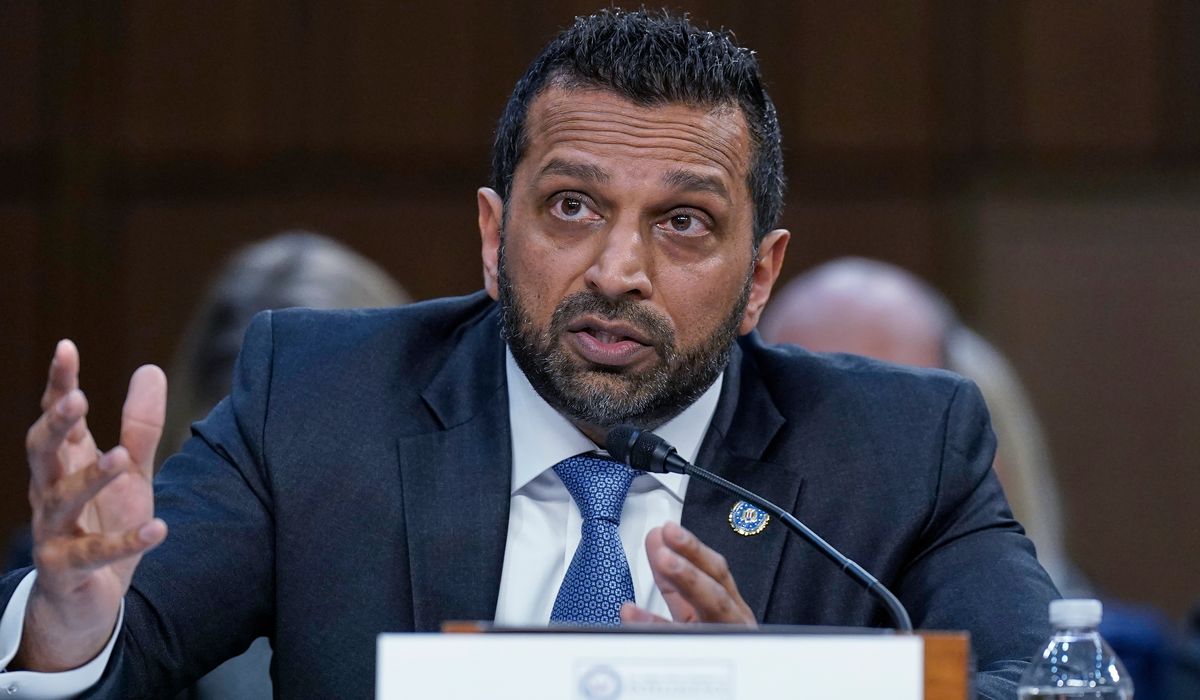
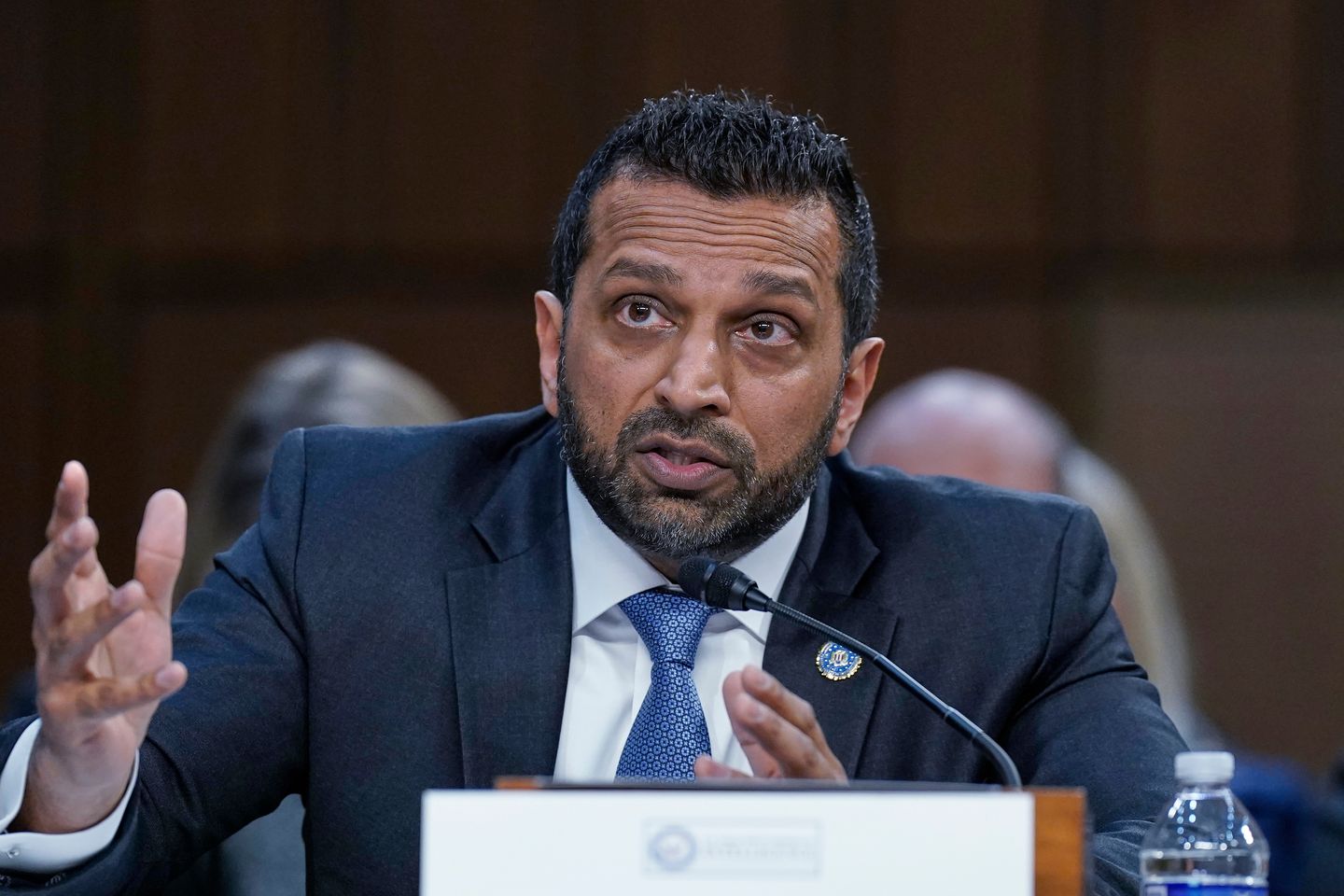
The FBI is scooping up commercially available data, including an internet user’s location, based on internet ads, Director Kash Patel said Wednesday.
Mr. Patel said the FBI is following the law when it tracks people online.
“We do purchase commercially available information that is consistent with the Constitution and the laws under the Electronic Communications Privacy Act, and it has led to some valuable intelligence for us to be utilized with our private and partner sectors,” Mr. Patel told the Senate Intelligence Committee on Wednesday.
The policy is a reversal from Mr. Patel’s predecessor, former FBI Director Christopher Wray, who told the Intelligence panel in 2023 that the FBI did not, to his knowledge, buy the location data of American internet users.
The information now purchased by the FBI is collected and sold by data brokers to improve targeted advertising to online consumers, according to the Electronic Frontier Foundation.
The technology tracks a person’s location and influences the type of advertising the individual sees while visiting websites.
The information isn’t considered private, and law enforcement does not need a warrant to purchase it from data brokers.
Mr. Patel did not specify how the FBI has used internet location information but, according to EFF, the bureau and the Homeland Security Department have purchased location information from the data broker Venntell to hunt down illegal immigrants.
Defense Intelligence Agency Director James H. Adams III told the Intelligence panel the DIA also uses the location data tracked by internet advertising.
“All of the purchasing of commercially available information by the agency is passed through legal channels and is in complete compliance with laws,” Mr. Adams said.
Sen. Ron Wyden, Oregon Democrat and a privacy hawk, said he was outraged by the government’s use of internet location tracking. He called it a violation of the Fourth Amendment’s protection against unreasonable searches and seizures.
“It’s particularly dangerous given the use of artificial intelligence to comb through massive amounts of private information,” Mr Wyden said.
Intelligence Committee Chair Tom Cotton said the FBI is obtaining public information and is entitled to search it the same way agents can legally dig through an individual’s trash once it is set out on a public curb.
“If any other person can buy it, and the FBI can buy it, and it helps them locate a depraved child molester or savage cartel leader, I would certainly hope the FBI is doing anything they can to keep Americans safe,” the Arkansas Republican said.