The Virginia General Assembly wrapped up last weekend with an unpleasant surprise for voters hoping the 2025 election would make the state more affordable.
While lawmakers abandoned a slew of proposed taxes on food deliveries, gym memberships and high-income earners, they agreed to slap a new tax on nearly all Virginia paychecks that will fund a broad measure providing up to 12 weeks of paid medical and family leave.
The state legislature also passed a 25% tax on purchases of recreational marijuana and a 25% tax on revenue from “skill games,” which enable gambling in restaurants, bars, convenience stores and gas stations.
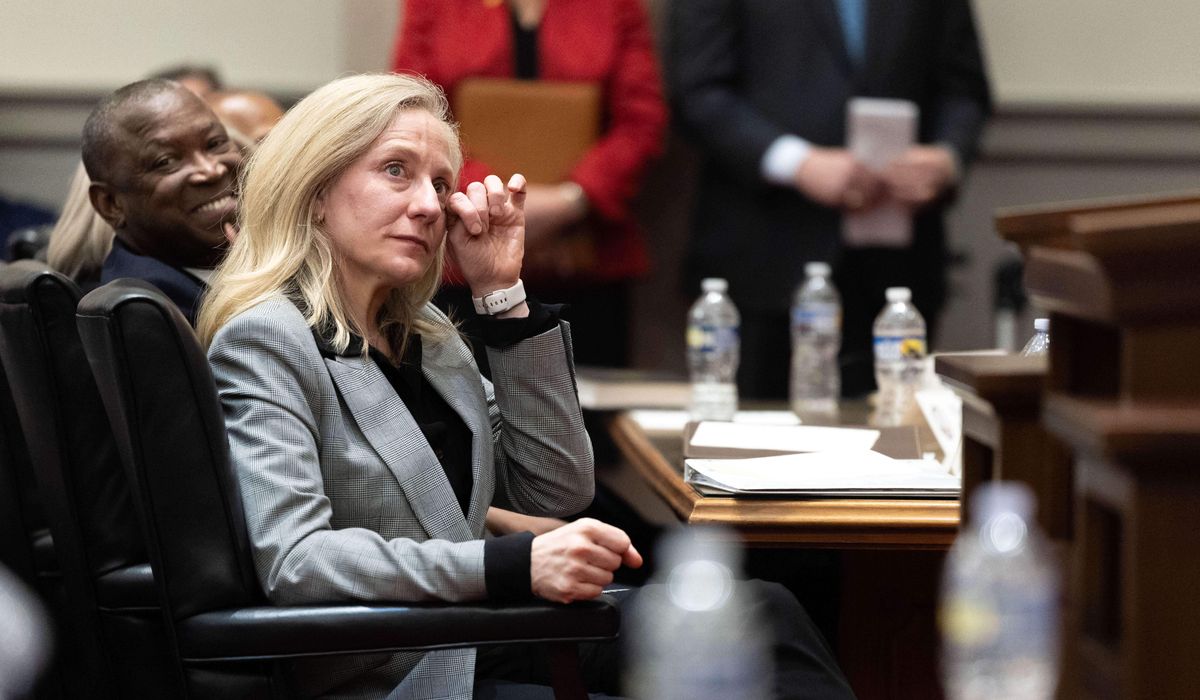
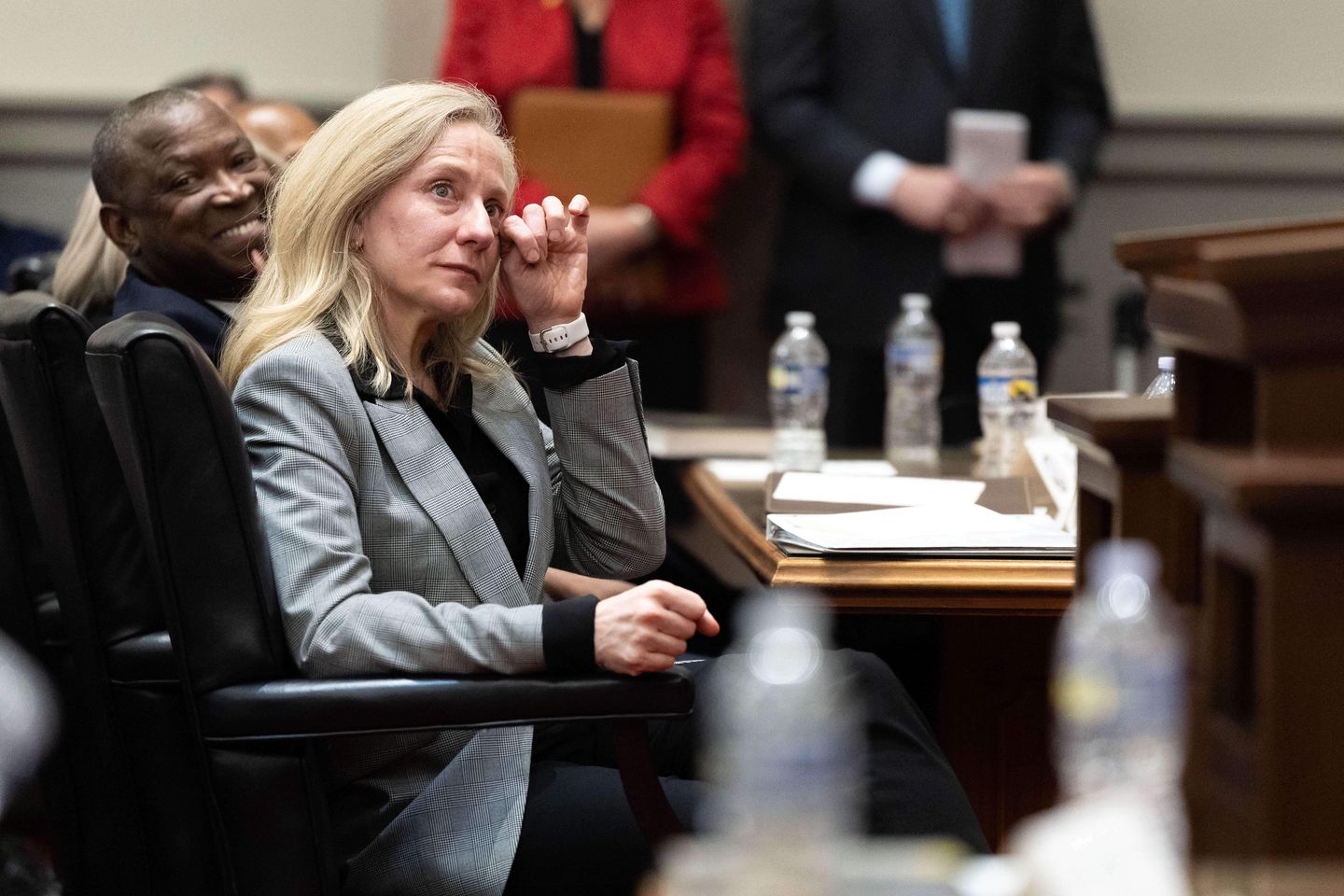
Virginia Gov. Abigail Spanberger, a Democrat, is expected to sign the paid leave legislation, which will require workers to forfeit hundreds of dollars annually from their paychecks.
Elected in November, Ms. Spanberger ran on lowering costs for Virginia’s working families and said she is “laser focused” on an affordability agenda.
Ms. Spanberger won’t have to confront legislation that would have hiked taxes on online deliveries, dry cleaning and fitness memberships, or legislation that would have nearly doubled the tax rate for the state’s top income earners. Those bills died in this year’s legislative session.
Paychecks, however, are about to shrink under the paid leave measure, which the Democrat-led legislature passed during the final days of the session.
The legislation will require employers to pay a 0.72% payroll tax into a state insurance fund that will provide money for the paid leave program.
Employers can withhold up to half of the 0.72% tax from employee paychecks to help cover the cost.
Republicans, who voted against the measure, said it amounts to a new, $1.5 billion annual tax on Virginia businesses and residents.
Workers and employers will begin paying the tax on April 1, 2028.
“Paid Family Leave adds a brand-new line item to every paycheck in Virginia. Every worker. Every employer. Every pay period. Even if your kids are grown and out of the house — you’re still paying. A $1.5 billion payroll tax ’self-funded’ by taxpayers,” said Republican Rep. Wren Williams, who represents four counties in the southwest part of the state.
Democrats promoting the legislation said that, based on an average annual salary in Virginia, workers will contribute $5.43 from weekly paychecks, while employers will fork over the other $5.43.
It’s a small amount to pay, Democrats said, in exchange for creating a fund to help people survive financially during family and medical emergencies. It mimics paid leave programs in 13 other states and the District of Columbia.
“We’re talking less than a cup of coffee,” the bill’s author, Rep. Briana Sewell, a Democrat representing Prince William County, said during a floor debate on the legislation.
The measure will allow Virginia workers to receive 80% of their pay while out on leave to care for a new child, obtain medical treatment, help a family member or deal with other emergencies.
“This will be an opportunity for businesses and employers to provide a small contribution to ensure that individuals have the resources that they need when life hits them unexpectedly,” Ms. Sewell said.
A Virginia worker earning $71,000, the average salary in the state, will pay about $282 annually into the new paid leave program.
A worker who earns $100,000 annually will fork over about $360, and costs could increase over time.
The Virginia Employment Commission, which will oversee the program, will have the authority to raise the payroll tax to ensure the paid leave program is sufficiently funded.
Ms. Spanberger identified paid family and medical leave as a top priority and told the Virginia legislature in January she plans to implement the program as part of a “pro-worker” agenda that “can attract new companies and protect workers.”
Republicans said it hurts affordability by shrinking take-home pay and the tax can go up over time.
“It creates a new tax on your paycheck and your payroll, just like Social Security. The difference is the amount that comes out of your paychecks will be set by an unelected bureaucrat that cannot be voted out,” Del. Joseph McNamara, who represents Roanoke, said.
The legislature passed a separate measure establishing a state-wide sick leave mandate. Companies must provide workers with one hour of sick leave for every 30 hours they work. Employees can accrue up to 40 hours of sick leave annually.
The Virginia Retail Federation said the combined sick leave and paid leave legislation will amount to a 3.6% payroll tax for businesses, which could depress hiring, force companies to reduce hours and delay investments.
“When layered on top of scheduled minimum wage increases, rising health insurance premiums, escalating commercial rents, and other compliance costs, the cumulative burden becomes significant,” VRF officials said.
State lawmakers are also weighing the revocation of significant tax breaks enjoyed by data centers.
The debate over revoking the retail sales and use tax exemption for data centers forced the general assembly to adjourn without voting on the state’s budget.
They’ll reconvene again at the end of April.
Democrats want to end the projected $1.6 billion annual tax break to bring more money into state coffers, but Ms. Spanberger opposes it, concerned that it will drive businesses out of the state.
The fight over the data centers is taking place amid increasing pushback from communities over new data centers. Residents complain about the noise, while ratepayers say the power-hungry data centers are hiking their electric bills.
Data centers have invested $80 billion in Virginia and created thousands of jobs, according to the Virginia Department of Taxation.