When a coalition of civil rights groups launched the COVID Justice Resolution this week, a formal call for Congress to repudiate pandemic-era government overreach, they were asking, in part, for accountability from the man who started it all.
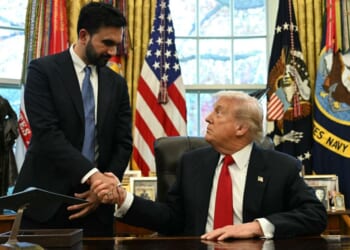
That man is President Trump.
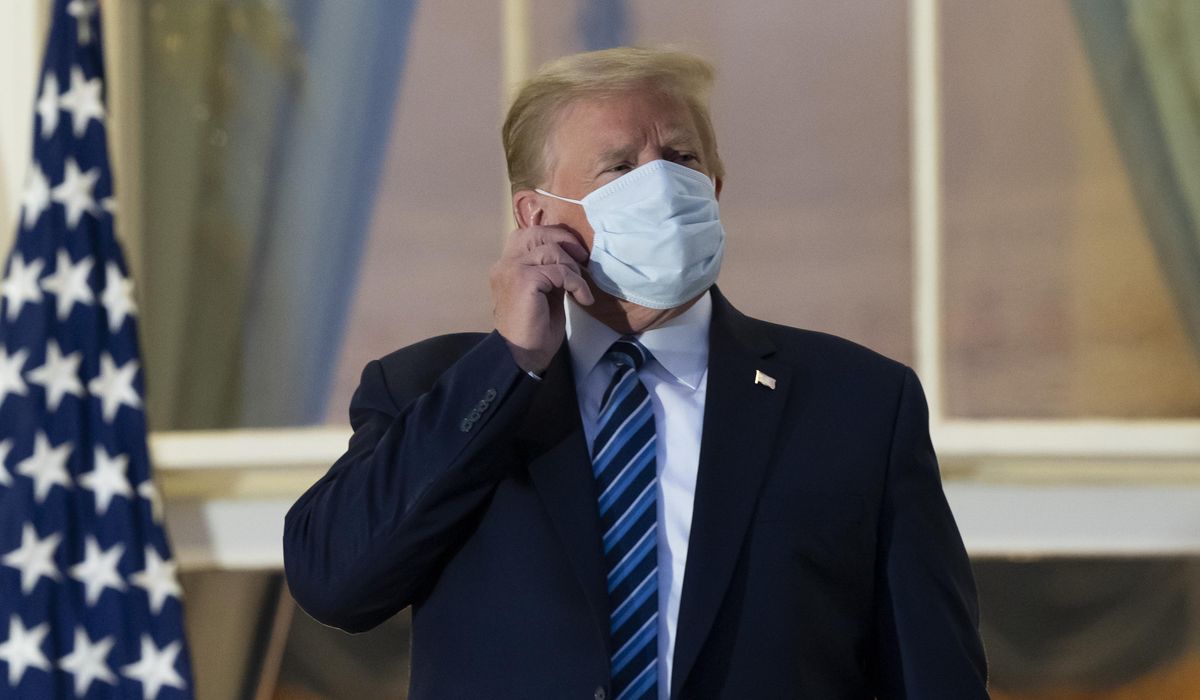
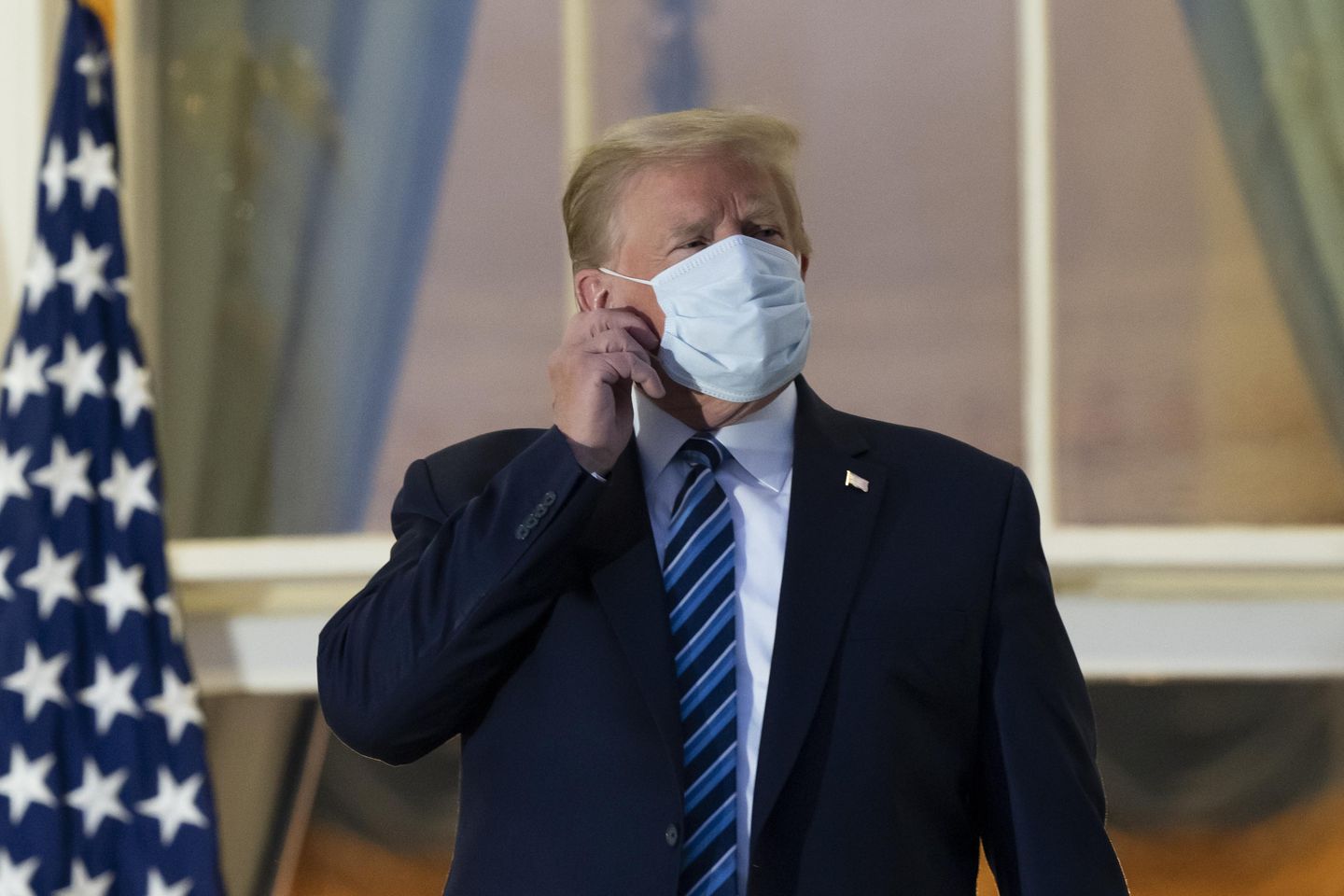
Six years ago this month, Mr. Trump stood at a White House podium and announced “15 Days to Slow the Spread,” a series of federal guidelines that asked Americans to stay home, avoid restaurants and bars, and limit gatherings to no more than ten people. The date was March 16, 2020. The fifteen days stretched into months. The restrictions that followed — school closures, business shutdowns, vaccine and mask mandates — are what the coalition behind the resolution says have never been formally addressed.
“There have never been any apologies,” said Jeffrey A. Tucker, founder of the Brownstone Institute and a leader of the effort. “These kinds of wounds are festering, and real, and widespread. I don’t believe there will ever be healing from what happened until we get some culturally significant institution saying very clearly ’This was wrong.’”
Mr. Trump, now in his second term, has largely avoided that conversation. According to Mr. Tucker, the president has shied away from a formal reckoning — and the reason may be self-evident. The first wave of pandemic restrictions came on his watch. To formally condemn pandemic overreach would require confronting his own administration’s role in initiating the federal response.
In his 2024 campaign and into his second term, Mr. Trump has positioned himself as an opponent of COVID mandates and lockdown policies, even as the initial federal guidance encouraging social distancing and restrictions trace back to his first administration. His second term has included moves against pandemic-era vaccine mandates and withdrawing the United States from the World Health Organization, but no formal statement addressing his first term’s role in the pandemic response.
SEE ALSO: Six years on, country still waiting for a COVID reckoning
Perhaps nowhere is that tension more visible than in his personnel choices. Jay Bhattacharya, who spent the pandemic years as one of the loudest and most prominent critics of lockdowns and mask mandates, now leads the National Institutes of Health and the Centers for Disease Control and Prevention, the very agencies that drove much of the guidance Mr. Bhattacharya spent years challenging. The former Stanford professor co-authored the Great Barrington Declaration, which argued that restrictions should be lifted and herd immunity allowed to develop among healthy populations, a position that drew fierce condemnation from the public health mainstream at the time.
Putting Mr. Bhattacharya in charge of both agencies is a notable personnel choice. But it is not an apology. And for the groups backing the COVID Justice Resolution, that distinction matters.
The resolution, which is still seeking a Senate sponsor, calls out stay-at-home orders, school closures, the forced shuttering of businesses and houses of worship, masking and vaccine mandates, social media censorship pressure campaigns, and the enormous sums of taxpayer money spent fighting the pandemic and supporting an economy disrupted by shutdowns. It expresses “profound regret” for all of it.
Mr. Tucker describes the goal as the “biggest possible statement in the most painless way” — a legislative acknowledgment, not a blame assignment. But for a sitting president whose first term is woven into that history, any statement of that kind carries implicit weight.
“The whole thing was so insane,” Mr. Tucker said. “It was crazy. It was like a level of clownish evil. It’s not clear when it stopped happening. It just sort of slowly faded away. We weren’t even sure when the pandemic ended. We don’t even know that. The channel just changed and we’re left with such pain and suffering.”
For now, Mr. Trump’s second term has moved to roll back many of the policies and institutions associated with the pandemic era, while stopping short of a formal accounting of how those policies came to be.
This article was constructed with the assistance of artificial intelligence and published by a member of The Washington Times’ AI News Desk team. The contents of this report are based solely on The Washington Times’ original reporting, wire services, and/or other sources cited within the report. For more information, please read our AI policy AI policy or contact Steve Fink, Director of Artificial Intelligence, at sfink@washingtontimes.com
The Washington Times AI Ethics Newsroom Committee can be reached at aispotlight@washingtontimes.com.