The jobs market has looked a bit sickly for several months. In January, vital signs pointed to a recovery. Last month, though, the US economy had a jobs relapse, driven in part by a strike in the health-care sector.
The US economy lost 92,000 jobs last month, well below the tepid expectations of a 50,000-job gain:
Total nonfarm payroll employment edged down by 92,000 in February, and the unemployment rate changed little at 4.4 percent, the U.S. Bureau of Labor Statistics reported today. Employment in health care decreased, reflecting strike activity. Employment in information and federal government continued to trend down. …
Total nonfarm payroll employment edged down by 92,000 in February, following an increase inJanuary (+126,000). Employment in health care decreased in February, reflecting strike activity. Employment in information and federal government continued to trend down. Payroll employmentchanged little on net in 2025. (See table B-1.)
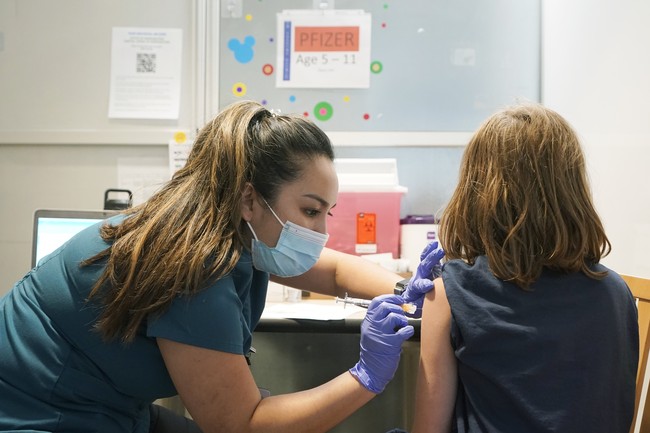
Health care employment declined by 28,000 in February, following a large increase in January(+77,000). Offices of physicians lost 37,000 jobs in February, primarily due to strike activity. Hospitals added 12,000 jobs. Over the prior 12 months, health care had added an average of 36,000 jobs permonth.
The strike explains part of those losses, roughly a third at -34,000 jobs. That does roughly line up with the number of workers who spent most of the month on strike in California, part of a contract dispute with Kaiser Permanente that also affected their facilities in Hawaii. The strike ended a little over a week ago, allowing the 31,000 members of the United Nurses Associations of California/Union of Health Care Professionals to return to work, but well after the Establishment survey had taken place for the BLS report.
It doesn’t explain all of the job losses, though. A number of sectors lost jobs last month:
- Construction: -11K
- Manufacturing: -12K
- Transportation/Warehousing: -11.3K
- Information services: -11K
Only a handful of sectors added jobs in February, including retail and wholesale trade, financial activities, utilities, and “other services.” Government jobs fell, part of a trend that conservatives have cheered, but only by six thousand in February.
There’s really no way to polish this into a moral victory. As the Wall Street Journal notes, the impact of the strike reflects a lack of flexibility in a jobs market where no one’s laying off but no one is hiring either:
Healthcare jobs, which have propped up the labor market for months, collapsed. A strike in California was partly to blame, but it also highlighted problems in the rest of the market. Private-sector jobs fell by 86,000.
Employment growth slowed markedly last year, and the U.S. has now lost jobs in three of the past six months. Many employers have been unnerved by back-and-forth tariff policies. Expectations that artificial intelligence could reduce staffing needs have cut into hiring plans. What’s more, the Trump administration has also slashed the federal workforce.
“This is about a labor market that is so soft that it cannot withstand a strike” of 31,000 healthcare workers, wrote inflation Insights economist Omair Sharif in a note to clients. “Because no one else is hiring.”
About the only upside for the White House will be the pressure on the Federal Reserve to lower rates. The war will complicate that choice, however:
For the Fed, a labor market stumble comes at an uncomfortable moment because policymakers are already contending with new potential disruptions to energy and commodity prices following the U.S.-Israel military campaign in Iran that has closed key global shipping lanes. Those disruptions raise the prospect of another bout of price increases in an economy where inflation has been above the Fed’s 2% goal for five years.
A central bank that simultaneously watches the job market weaken and inflation risks re-emerge has few good options.
While the Fed is expected to hold rates steady at its meeting later this month, the February employment report will revive questions about whether last year’s three rate cuts were sufficient to protect the labor market. If the unemployment rate continues to rise in the coming months, that could suggest the labor market is weaker than expected and put pressure on Fed officials to resume rate reductions around midyear.
The good news is that those who returned to work after the strike will add to March’s numbers. Right now, though, the labor market still appears stalled, and the prospect of spiking oil prices in the near term likely means the Fed will hold off on any new rate cuts to spur expansion-inducing investment. Better luck next month, it seems.
Join our VIP Membership program! Choose VIP to support Hot Air and access our premium content, VIP Gold to extend your access to all Townhall Media platforms and participate in this show, or VIP Platinum to get access to even more content and discounts on merchandise. Use the promo code FIGHT to join or to upgrade your existing membership level today, and get 60% off!