Pediatric trials are quietly underway to support prescribing GLP-1 medications for obesity in children under 12, despite concerns about their long-term effects on developing bodies.
Originally designed to lower blood sugar for diabetics, injectables such as Ozempic and Mounjaro have also become popular as appetite suppressants, driving billions in pharmaceutical sales, and some have recently become available in pill form for adults.
Currently, GLP-1 drugs are rarely prescribed for children and teens with diabetes or obesity, and only then in lower doses for severe cases starting at age 12.
However, insiders predict that clinical testing will expand access in the next three to five years as obesity rates soar for children aged 6 to 11.
“I’ve actually done bariatric surgery in children as young as 4, so obesity treatment can be necessary even very early in life,” Evan Nadler, former head of the Childhood Obesity Program at Children’s National Hospital in the District of Columbia, said in an email.
Dr. Nadler reported positive experiences of prescribing Wegovy, a version of Ozempic approved for obesity, to 12-year-olds. He said patients even younger are being studied with Saxenda, a predecessor drug.
Several obesity specialists echoed his endorsement in interviews with The Washington Times but expressed concerns about possible harms.
“Lots of companies are working on a youth version, including studies down to age 6 years old,” said Dr. Joey Skelton, a professor of pediatrics at Wake Forest University School of Medicine. “The medicine is safe and effective in children, but must be done with accompanying care.”
Physicians say minors using GLP-1s must also work with a dietitian, psychologist, and an exercise specialist to ensure healthy results.
Michelle M. Maresca, an endocrinologist in the pediatric bariatric program at Hackensack University Medical Center, said adolescent users lose an average of 16.1 percentage points of their body mass index.
“Weight loss from these drugs can lead to improvements in weight-related health issues like high blood pressure, pre-diabetes, and high cholesterol,” Dr. Maresca said.
Others warned that such weight loss in children could worsen infertility, eating disorders, body shame, brain development, and heart problems.
“When youth don’t get enough nourishment, their brains don’t function optimally and can’t develop,” said Charlotte Markey, a Rutgers University clinical health psychologist specializing in body issues.
“I don’t think any child or teen should take these drugs until we have long-term data supporting their safe use,” Ms. Markey added. “And, even then, I wouldn’t prescribe them unless they are needed for diabetes management.”
In August 2023, the American Academy of Pediatrics endorsed GLP-1s as part of an obesity treatment plan for youths 12 and older.
Truveta Research in Bellevue, Washington, estimates that prescriptions for weight-management drugs jumped by 65% after this announcement. But only 0.4% of eligible children actually started using them.
“Lifestyle interventions are still far more common than pharmacotherapy,” said Brianna Cartwright, Truveta’s senior research analyst, noting a reluctance among families to embrace medications.
Doctors say painful side effects, high treatment costs, and inconsistent insurance coverage have kept GLP-1s away from most obese youths.
Common side effects include nausea, vomiting, diarrhea, and constipation, and the low number of users aged 12 to 17 has made it difficult to study their impact on minors.
Dr. Fernando Ovalle, an obesity specialist and reviewer for Drugwatch.com, which tracks medication side effects, urged families to be careful.
“In pediatrics, these medications should be considered as treatment for a chronic disease, not a cosmetic solution,” Dr. Ovalle said.
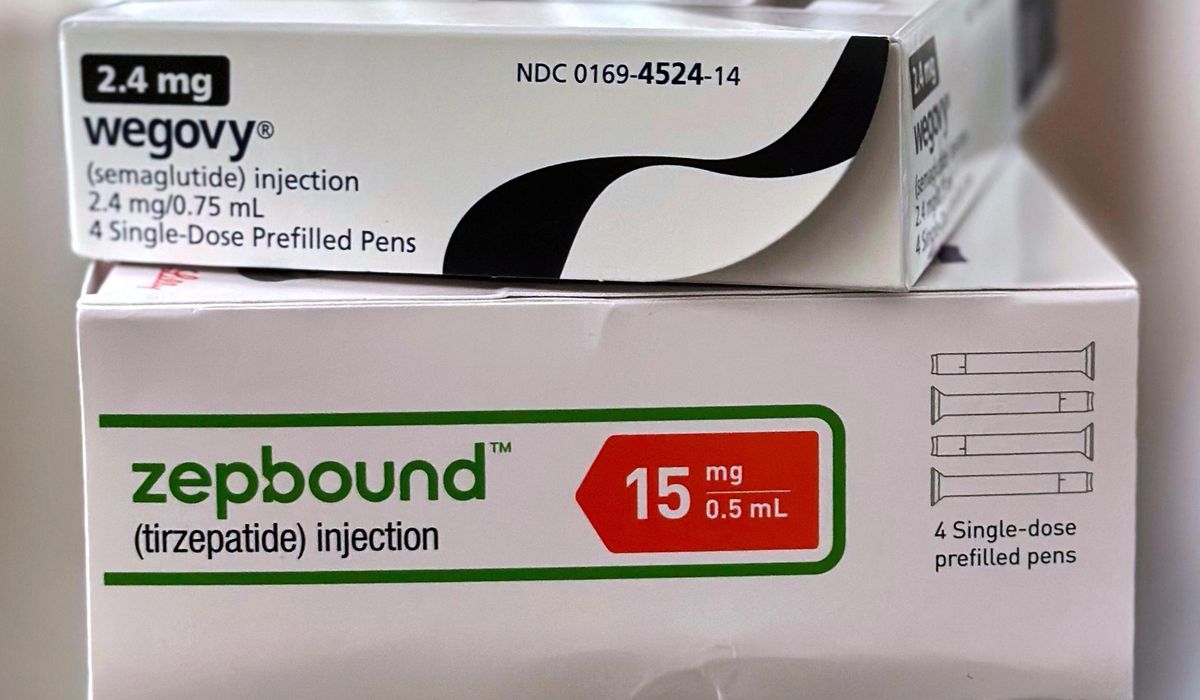
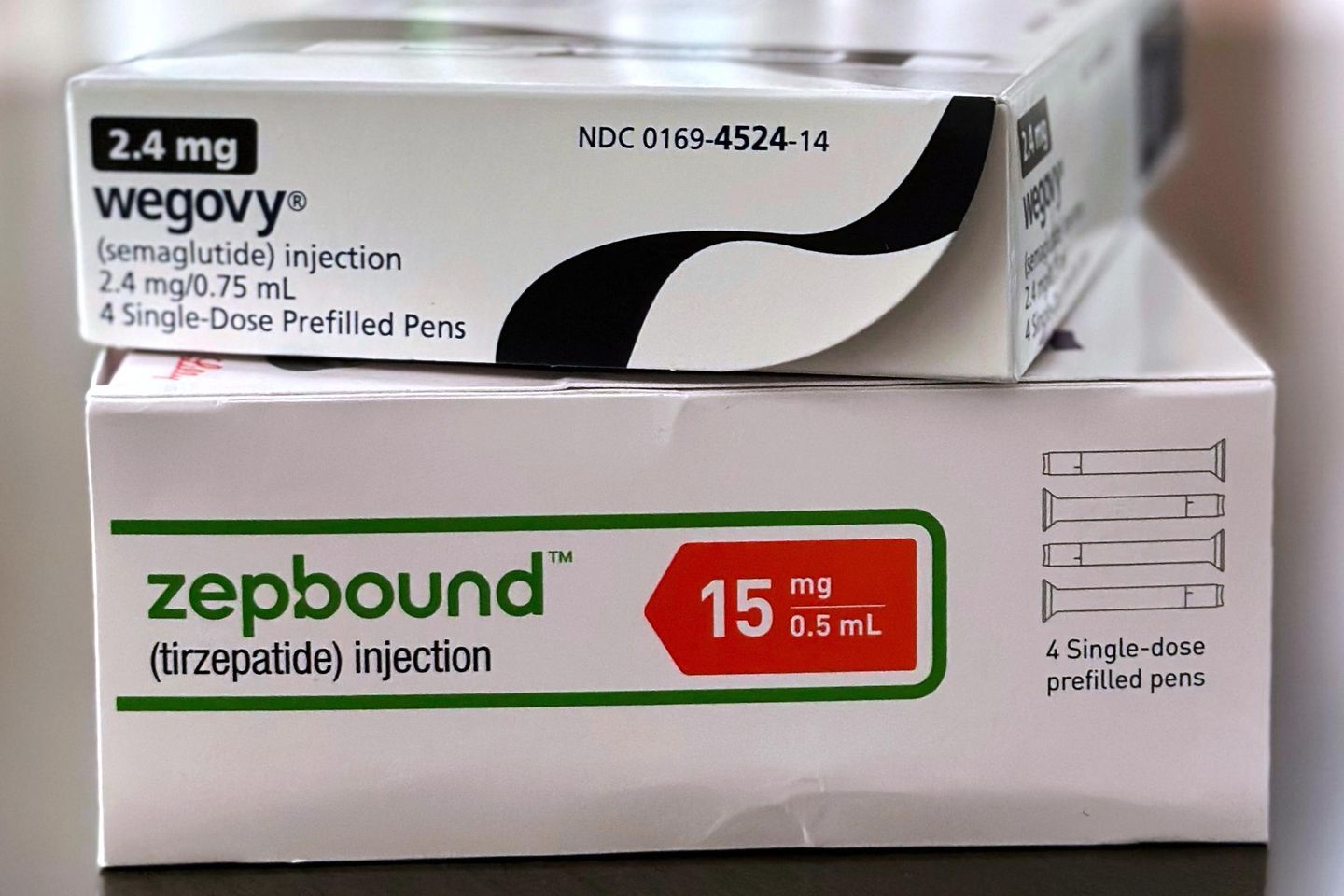
Among other trials, Eli Lilly & Co. is studying the active ingredient of its diabetes treatment Mounjaro and its anti-obesity cousin Zepbound with children as young as 6.
The Indianapolis pharmaceutical giant is also studying the impact of an oral GLP-1 medication on adolescents.
“Lilly continues to study GLP-1 receptor agonists in children and adolescents to explore their potential for managing pediatric diabetes and obesity in conjunction with lifestyle modifications,” a spokesperson said in an emailed statement.
Novo Nordisk, the Danish company that manufactures Ozempic and Wegovy, declined to comment on clinical trials involving children younger than 12.
Jamie Bennett, a U.S. spokeswoman for the corporation, stressed that Wegovy remains the only anti-obesity GLP-1 approved for adolescent weight loss, and only then in the form of a once-weekly injection.
“For youths considering GLP-1s, the decision should be at the discretion of the physician, the adolescent patient, and their caregiver,” Ms. Bennett said.
Testing limits
It remains unclear when the Food and Drug Administration might approve new GLP-1 drugs in lower doses for children under 12.
The agency did not respond to a request for comment.
“I think that the use in kids will stay slow because we are still learning about the long-term effects on growing bodies,” said Dr. Meena Malhotra, an Illinois-based internist specializing in obesity.
The FDA approved Ozempic as an insulin-boosting treatment for Type 2 diabetes in 2017.
In 2021, the FDA approved Wegovy, a version prescribed for weight management, and greenlit smaller doses of it for adolescents a year later.
The FDA approved Eli Lilly’s rival drug Mounjaro for Type 2 adult diabetes in 2022. It did the same with Zepbound, a version prescribed for weight loss, in November 2023.
James J. Chao, chief medical officer of VedaNu Wellness in San Diego, California, said FDA approval of GLP-1s for younger children is a question of “when” rather than “if.”
But he noted that GLP-1 medications cost $800 to $1,300 a month without insurance and require years of prescriptions. That creates billions in pharmaceutical costs for insurance companies to review, he said.
“I think we will see uptake in the 12-to-17-year-old age group over the next two to three years, as real-world safety data comes in and insurance companies develop language around it,” said Dr. Chao, who prescribes GLP-1s as part of a metabolic health program.
“For kids under 12, we are probably five to seven years away from any approval process, if the trials even go in that direction.”
Weighty problems
The Centers for Disease Control and Prevention reported this month that 21.1% of youths aged 2 to 19 were obese between August 2021 and August 2023.
That’s a new high in 50 years of data on youth obesity, which the CDC defines as a body mass index at or above the 95th percentile for each age and sex.
Health experts attribute the rise in childhood obesity to unhealthy diets and increased screen addiction.
“GLP-1 use in kids would help address the obesity crisis and metabolic-related chronic health conditions,” said Dr. Jennifer Brown, a West Virginia physician who prescribes the drugs for obesity.
She noted that the Wegovy pill for adults is cheaper and more convenient than injections, making it likely to increase the popularity of GLP-1s as more capsules hit the market.
Lindsey Sikora Subrinsky, a Chicago-based nurse practitioner specializing in weight loss, said “the shift has already begun” in pediatric practice.
“The bigger question is not how soon they’ll be prescribed, but how responsibly,” Ms. Subrinsky said. “The future of pediatric obesity care will not be either medication or lifestyle. It will have to be both.”