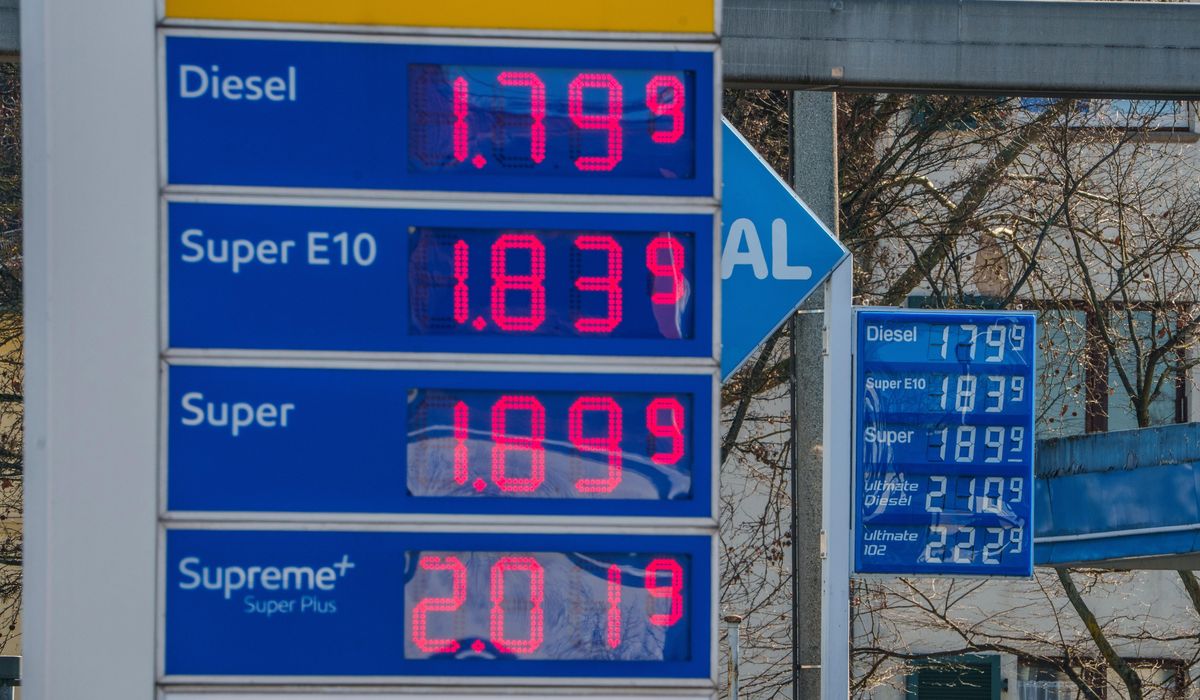
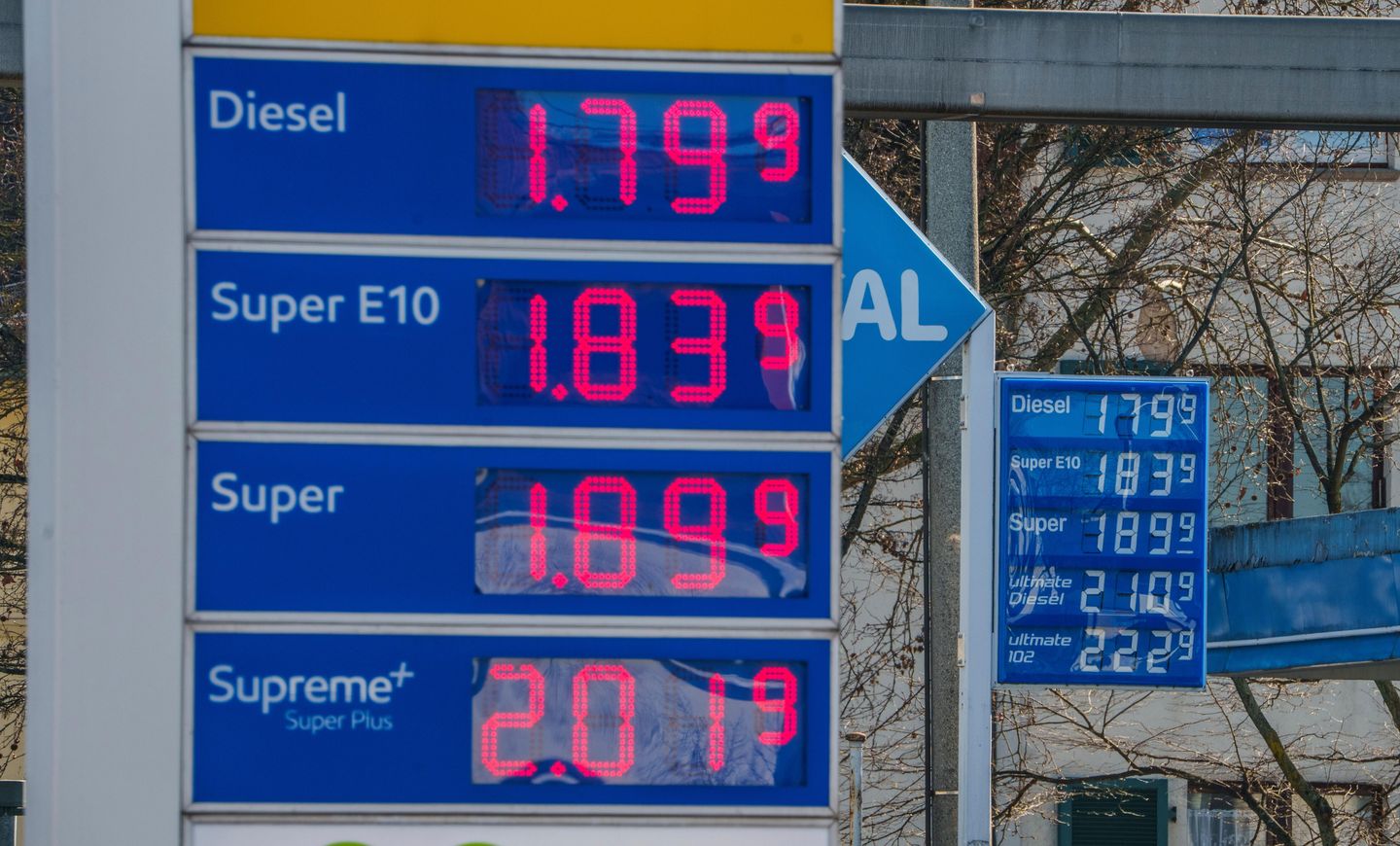
Global energy markets were shaken Monday by an escalation of conflict in the Middle East, with U.S. and Israeli attacks on Iran contributing to sharp increases in crude oil and natural gas prices amid concerns about disruptions to key shipping routes and supplies.
Oil Prices and Market Reaction
Oil prices surged significantly as traders reacted to heightened geopolitical risk that could disrupt supply. In the most recent Associated Press report, U.S. crude (West Texas Intermediate) traded about 7.6% higher at $72.12 per barrel, and Brent crude, the international benchmark, climbed about 8.6% to $79.11 per barrel.
These price levels reflect a notable rise relative to recent trading and mark some of the strongest moves tied to the outbreak of conflict.
Impact on Consumers and Energy Costs
Higher crude prices raise the prospect of more expensive gasoline for U.S. drivers and increased costs for other goods, reinforcing inflationary pressures.
Historically, crude prices are the largest factor determining U.S. pump prices, and research suggests that about every $10 per barrel increase translates into roughly a 25-cent per gallon rise at the pump over time.
Natural Gas and LNG
Natural gas futures in Europe jumped more than 40% after QatarEnergy, a major supplier of liquefied natural gas (LNG), halted production because of the conflict.
This is significant because Europe depends on LNG shipments to replace diminished Russian pipeline gas supplies.
Shipping Disruptions and Regional Tensions
Much of the market’s concern centers on tanker traffic through the Strait of Hormuz, a chokepoint for about 20% of the world’s oil supply.
Tanker navigation was disrupted due to electronic interference and reported attacks in the area, with one vessel struck in the Gulf of Oman, resulting in one fatality.
Saudi Arabia also intercepted Iranian drones that targeted the Ras Tanura oil facility, prompting a precautionary shutdown of the refinery.
U.S. Stock Market Response
The Associated Press reported that U.S. stock indexes opened lower on the news, with the S&P 500 down as much as 1.2% before trimming losses.
Travel and leisure sectors such as airlines and cruise lines were among the biggest decliners, while energy companies edged higher.
Analyst Commentary on Market Impacts
Strategists noted that for a sustained broad downturn in U.S. stocks tied to the conflict, oil prices would likely need to climb above around $100 per barrel—a level well above the current trading range but still a key watch point for markets.
Past geopolitical conflicts did not cause long-term stock market declines; historical patterns suggest markets often rebound over months following such events.
This article is written with the assistance of generative artificial intelligence based solely on Washington Times original reporting and wire services. For more information, please read our AI policy or contact Steve Fink, Director of Artificial Intelligence, at sfink@washingtontimes.com
The Washington Times AI Ethics Newsroom Committee can be reached at aispotlight@washingtontimes.com.