1. What is President Trump proposing to do with marijuana’s legal status?
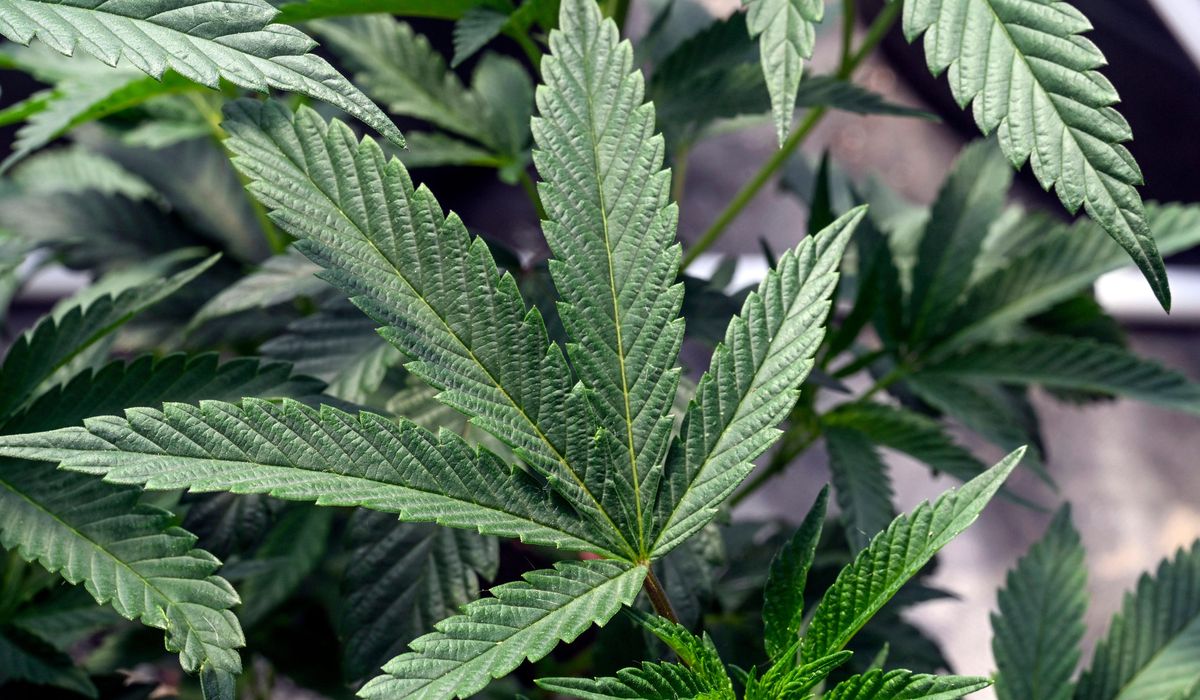
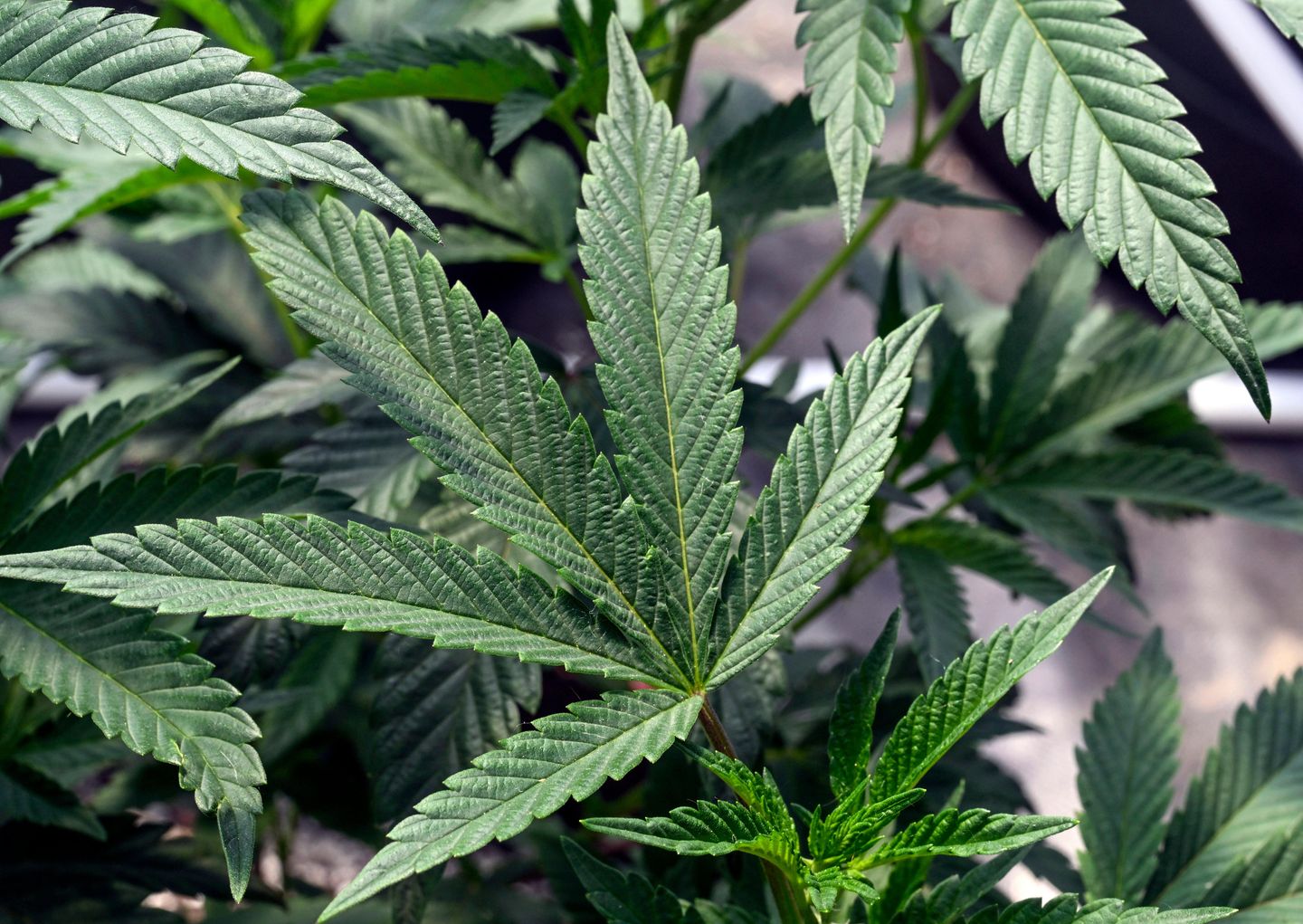
According to The Washington Post, President Trump told House Speaker Mike Johnson he wants to issue an executive order directing agencies to move marijuana from Schedule I to Schedule III on the federal drug classification system. This would shift marijuana from the most restrictive category — where it’s grouped with drugs like heroin — to a less restrictive classification alongside painkillers like Tylenol with codeine.
2. Why does marijuana’s current federal classification create problems?
Marijuana is currently classified as Schedule I, meaning it’s considered to have a high risk for abuse and no accepted medical use. However, this creates an awkward mismatch with state laws, as 24 states have legalized recreational marijuana for adults and 40 states have authorized medical marijuana programs. This disconnect between federal restrictions and widespread state legalization has created legal and regulatory complications.
3. How would rescheduling marijuana to Schedule III change things?
Schedule III drugs are viewed as less likely to lead to abuse and may have accepted medical purposes, though they can still lead to physical or psychological dependencies. Rescheduling would reduce federal oversight of marijuana, improve tax treatment for cannabis companies, and potentially make the drug more accessible, though it would not fully legalize marijuana at the federal level.
SEE ALSO: Trump revives push to downgrade marijuana in federal drug laws
4. Who supports and opposes this move?
The proposal is generally backed by Democrats, liberals, and libertarians, with Rep. Ted Lieu urging Mr. Trump to follow through where former President Biden did not. However, it faces likely opposition from conservative lawmakers, including House Speaker Mike Johnson, and anti-marijuana advocates like Kevin Sabet, who argues rescheduling would mislead young people and primarily benefit cannabis companies rather than serving public health interests.
5. What happens next with this proposal?
No final decisions have been made, according to a White House official. If Mr. Trump moves forward, the rescheduling would likely trigger an intense lobbying effort from both supporters and opponents. Congress could act through legislation, or the attorney general could initiate an administrative process involving the Drug Enforcement Administration to change marijuana’s schedule.
Read more: Donald Trump revives push to downgrade marijuana in federal drug laws
This article is written with the assistance of generative artificial intelligence based solely on Washington Times original reporting and wire services. For more information, please read our AI policy or contact Ann Wog, Managing Editor for Digital, at awog@washingtontimes.com
The Washington Times AI Ethics Newsroom Committee can be reached at aispotlight@washingtontimes.com.