Don’t miss the full story, whose reporting from The Associated Press is the basis of this artificial intelligence-assisted article.
1. What is a gravel garden, and why are they gaining popularity?
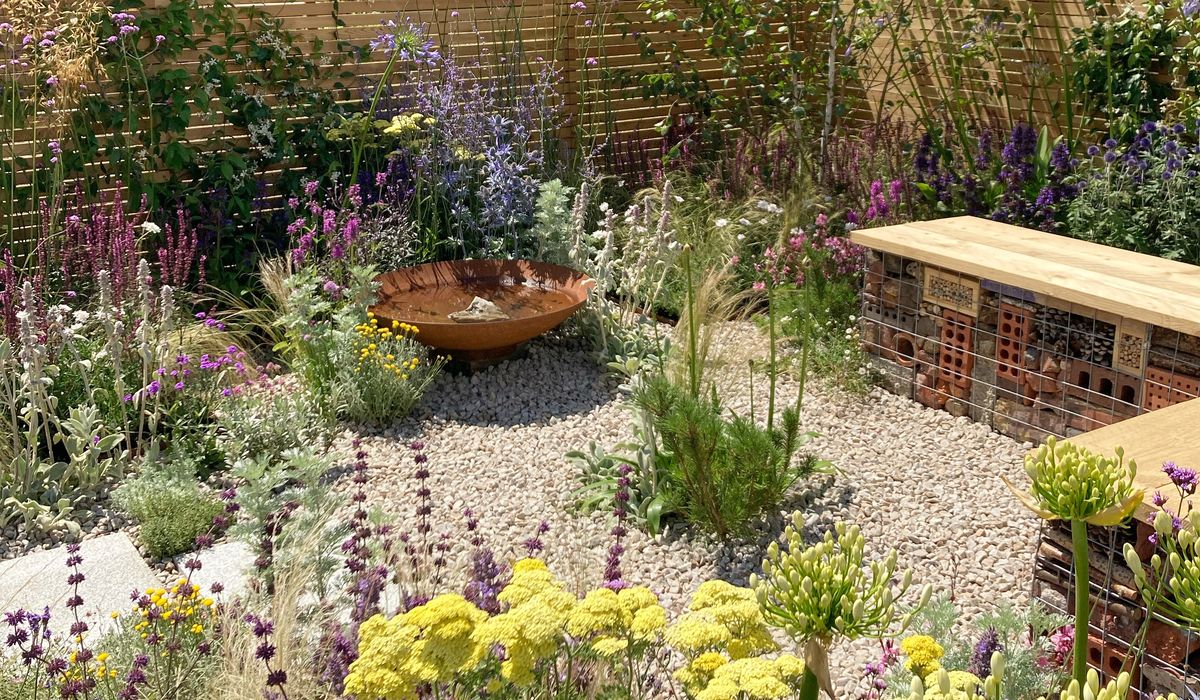
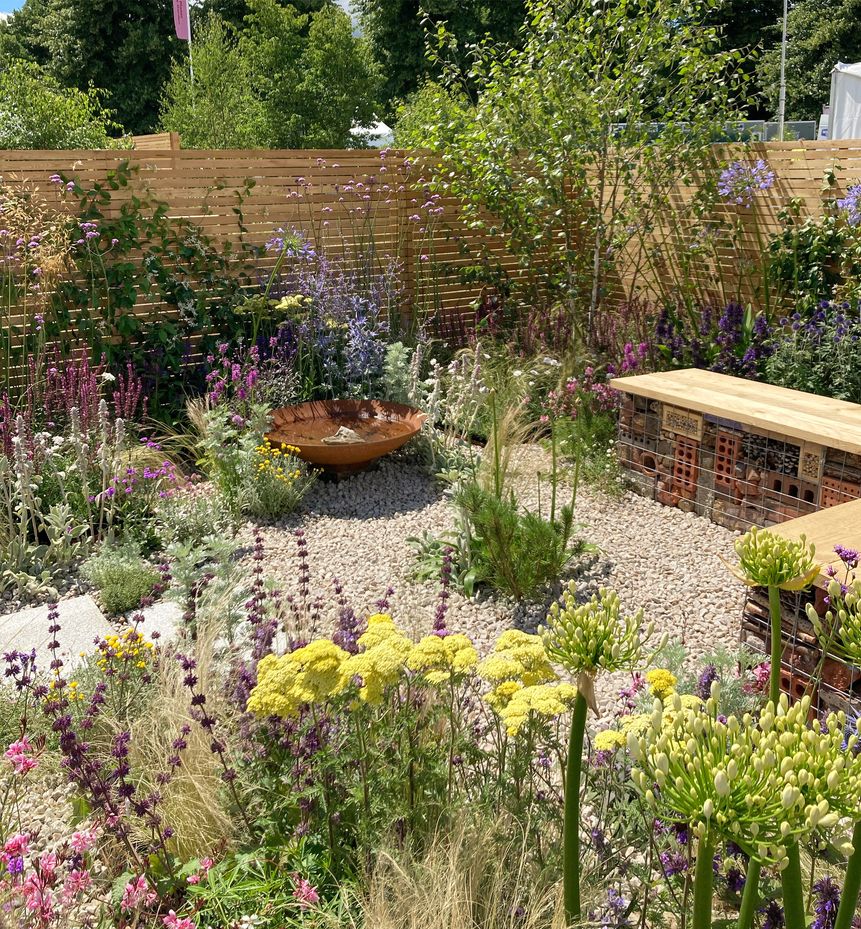
A gravel garden replaces traditional organic mulches like wood chips or pine bark with inorganic aggregate materials such as pea gravel, tumbled granite or brick chips spread 4 inches deep across garden beds. Beyond their origins in fire-prone regions, they are now trending more broadly because they also suppress weeds, improve drainage, reduce water waste and require far less maintenance once established.
2. What makes gravel safer than organic mulch in fire-prone areas?
Organic mulches ignite quickly when airborne embers land on them and can even trap heat and combust on their own. Many high-risk municipalities already discourage or restrict their use within a certain distance of homes and buildings, making inorganic gravel a practical and increasingly required alternative.
3. Should landscape fabric be used under the gravel?
No, the article strongly advises against it. Rather than blocking weeds, landscape fabric creates heat pockets, restricts water and oxygen flow, kills beneficial soil organisms, and ultimately allows weeds to grow through it anyway, making them nearly impossible to remove once their roots tangle with the material.
4. What kind of plants work best in a gravel garden?
Drought-tolerant, sun-loving perennials native to your region are the ideal choice, as they tend to thrive in the nutrient-poor, well-drained conditions a gravel garden provides. Organic mulch remains the better option for plants with high water and nutrient needs, so gravel gardens are best suited to low-water, low-maintenance plantings.
5. How much upkeep does a gravel garden require once it’s established?
Very little. The one demanding period is the first growing season, when newly planted specimens need frequent — sometimes daily — watering since they can only access moisture clinging to their roots. After that first year, fully established native, drought-tolerant plants will rarely if ever need supplemental watering, fertilizer, or regular weeding.
READ MORE: Gravel gardens can cut wildfire and heat risks. It’s being used outside fire zones, too
This article was constructed with the assistance of artificial intelligence and published by a member of The Washington Times’ AI News Desk team. The contents of this report are based solely on The Washington Times’ original reporting, wire services, and/or other sources cited within the report. For more information, please read our AI policy or contact Steve Fink, Director of Artificial Intelligence, at sfink@washingtontimes.com
The Washington Times AI Ethics Newsroom Committee can be reached at aispotlight@washingtontimes.com.