1. Why do nearly all major U.S. cities have police officer shortages despite increased funding?
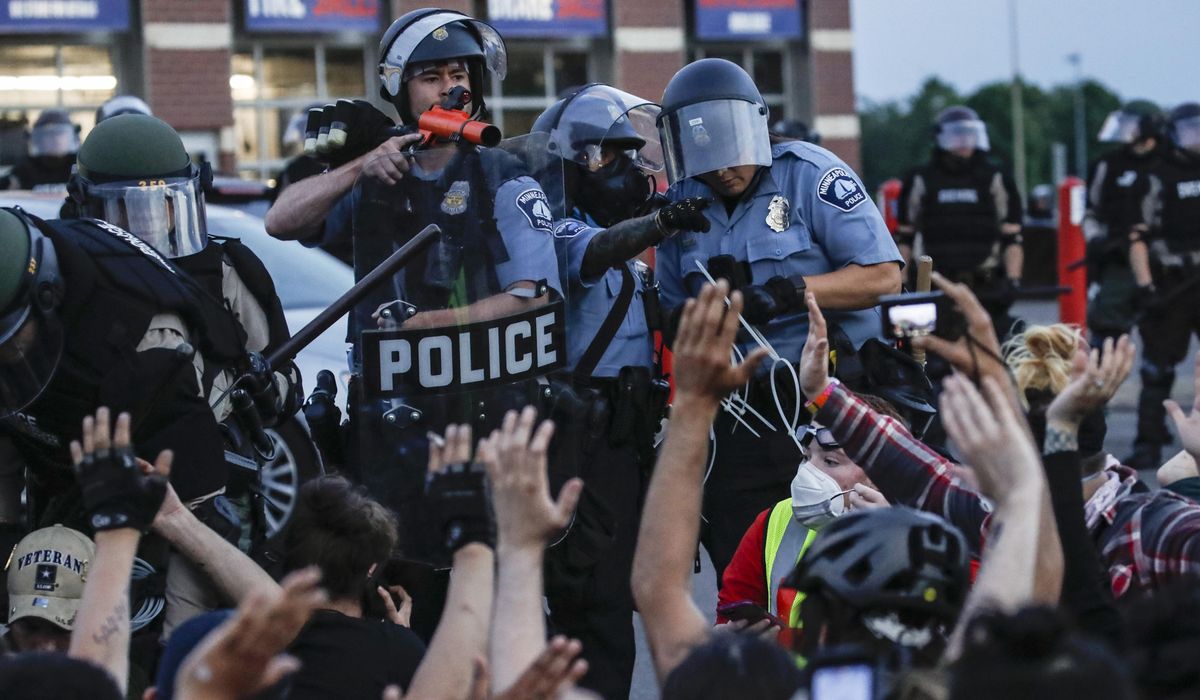
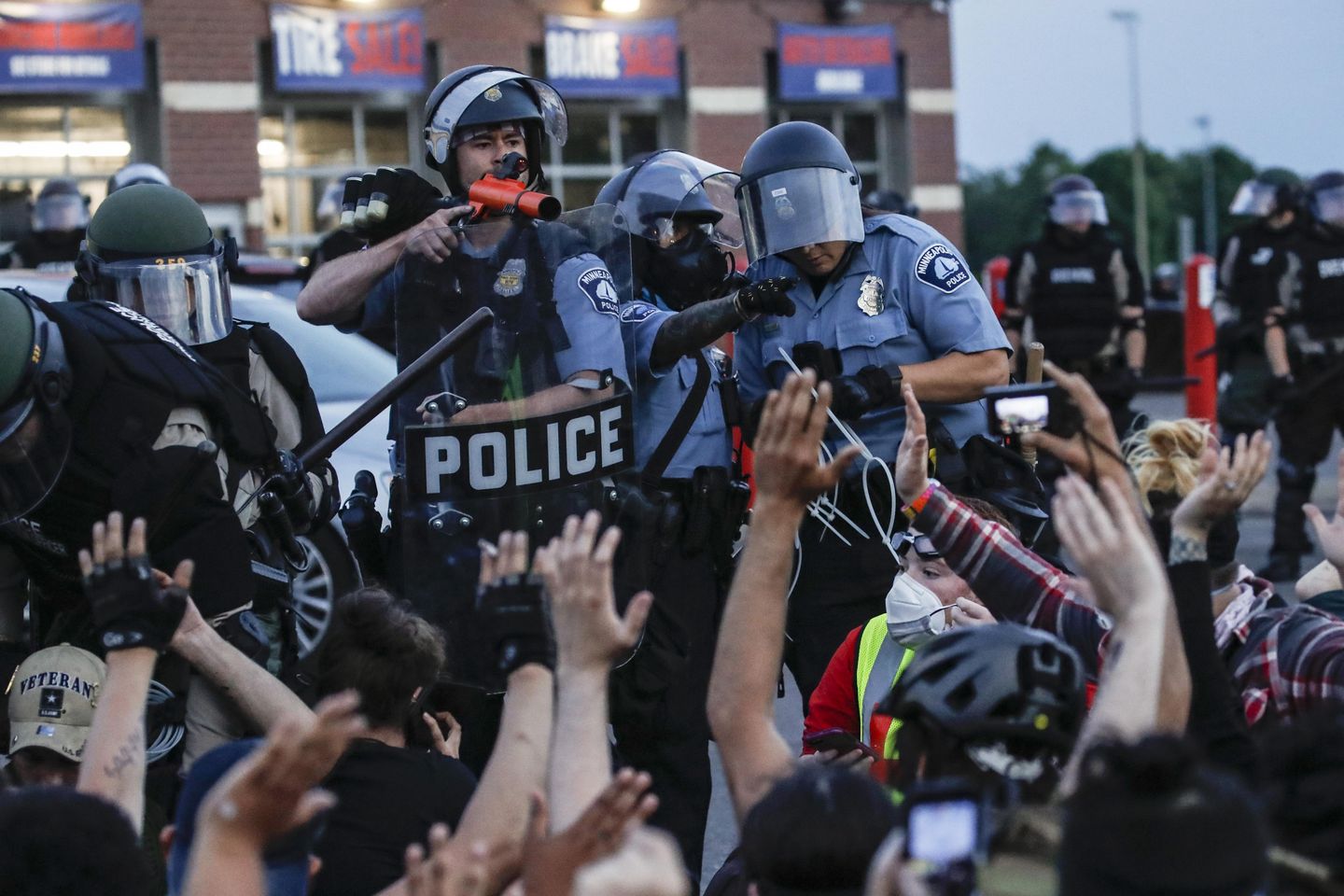
Former police chiefs and researchers say the “defund the police” movement demoralized officers by tarnishing police work as dishonorable, causing many to leave the profession. While cities initially cut police budgets in 2020 after George Floyd’s death — New York City slashed $1 billion, Los Angeles and Austin each cut $150 million — subsequent efforts to restore funding and raise salaries haven’t reversed the staffing decline. The damage to the profession’s prestige and public perception has outlasted the budget cuts themselves.
2. How severe are the staffing shortages in major police departments?
The staffing crisis affects even departments that have significantly boosted compensation. New York City’s police force has fallen to its lowest level this century despite pay increases. Washington D.C.’s Metropolitan Police Department hit a 50-year low in uniformed officers despite offering five-figure signing bonuses. Los Angeles police staffing has shrunk to 1990s levels, and the trend shows no signs of reversing despite mayors explicitly rejecting defunding and requesting more hiring money.
3. What caused officers to leave the profession during and after 2020?
Former Detroit Police Chief James Craig says many officers resigned or retired after seeing police leadership fail to push back against mayors who supported protests and budget cuts, fearing for their own jobs. Officers faced simultaneously higher crime, greater public scrutiny, and a perceived lack of support from political leaders. Additionally, aggressive prosecutions of officers — such as the manslaughter conviction of former Las Cruces officer Brad Lunsford for shooting a shoplifter who grabbed a Taser — have scared away current and prospective officers.
SEE ALSO: ‘Defund the police’ contributed to officer shortage through broken spirits more than tighter budgets
4. How are departments trying to address the shortage, and what are the concerns?
Some departments, such as Dallas and New York City, are lowering hiring standards to fill vacancies, including dropping requirements related to fitness, education, and past drug use. Rafael Mangual of the Manhattan Institute warns this creates a “race to the bottom” that will produce lower-quality recruits with less intelligence and emotional stability, leading to more errors and problems. He argues this approach risks putting more officers in jeopardy from prosecutors while failing to address the profession’s damaged reputation.
5. Could the staffing shortage become permanent?
With violent crime dropping to pre-pandemic levels, some experts worry local politicians may accept reduced staffing as the new normal rather than continue aggressive hiring efforts. Recent mayoral elections of democratic socialists Zohran Mamdani in New York City and Katie Wilson in Seattle — both former defund supporters who have since softened their rhetoric — signal potential acceptance of smaller police forces. Criminal justice experts warn this would be a “massive mistake,” noting that the lesson of 2020 was that crime can spiral out of control quickly without adequate police staffing.
This article is written with the assistance of generative artificial intelligence based solely on Washington Times original reporting and wire services. For more information, please read our AI policy or contact Ann Wog, Managing Editor for Digital, at awog@washingtontimes.com
The Washington Times AI Ethics Newsroom Committee can be reached at aispotlight@washingtontimes.com.