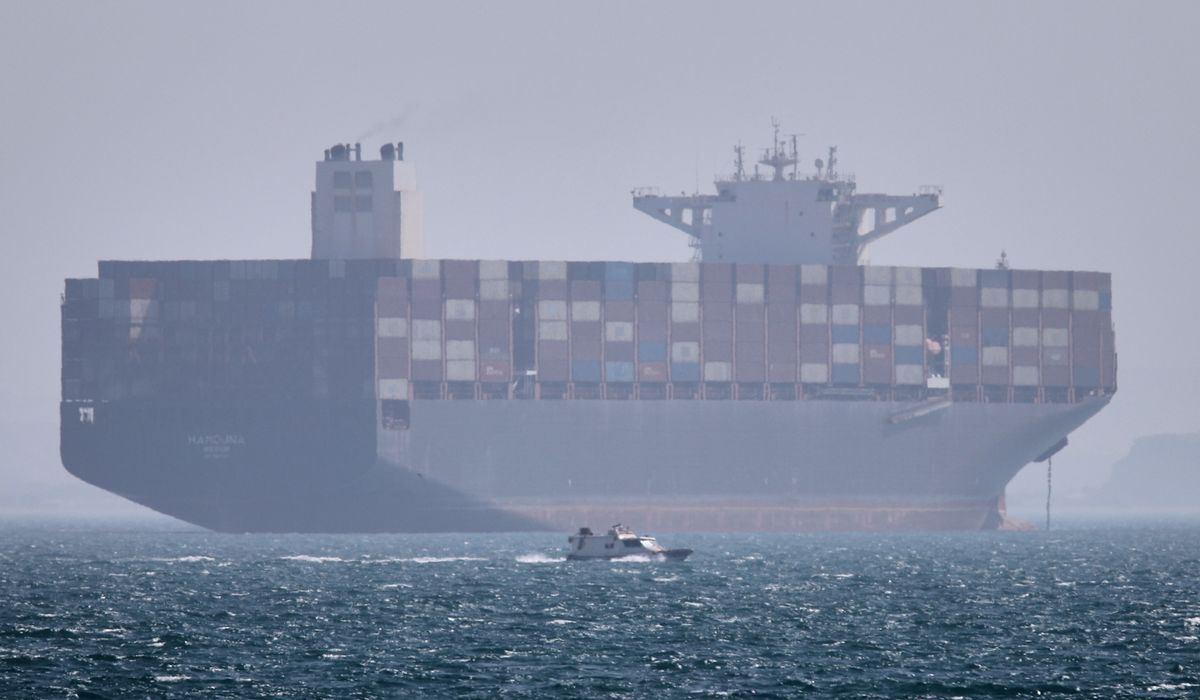
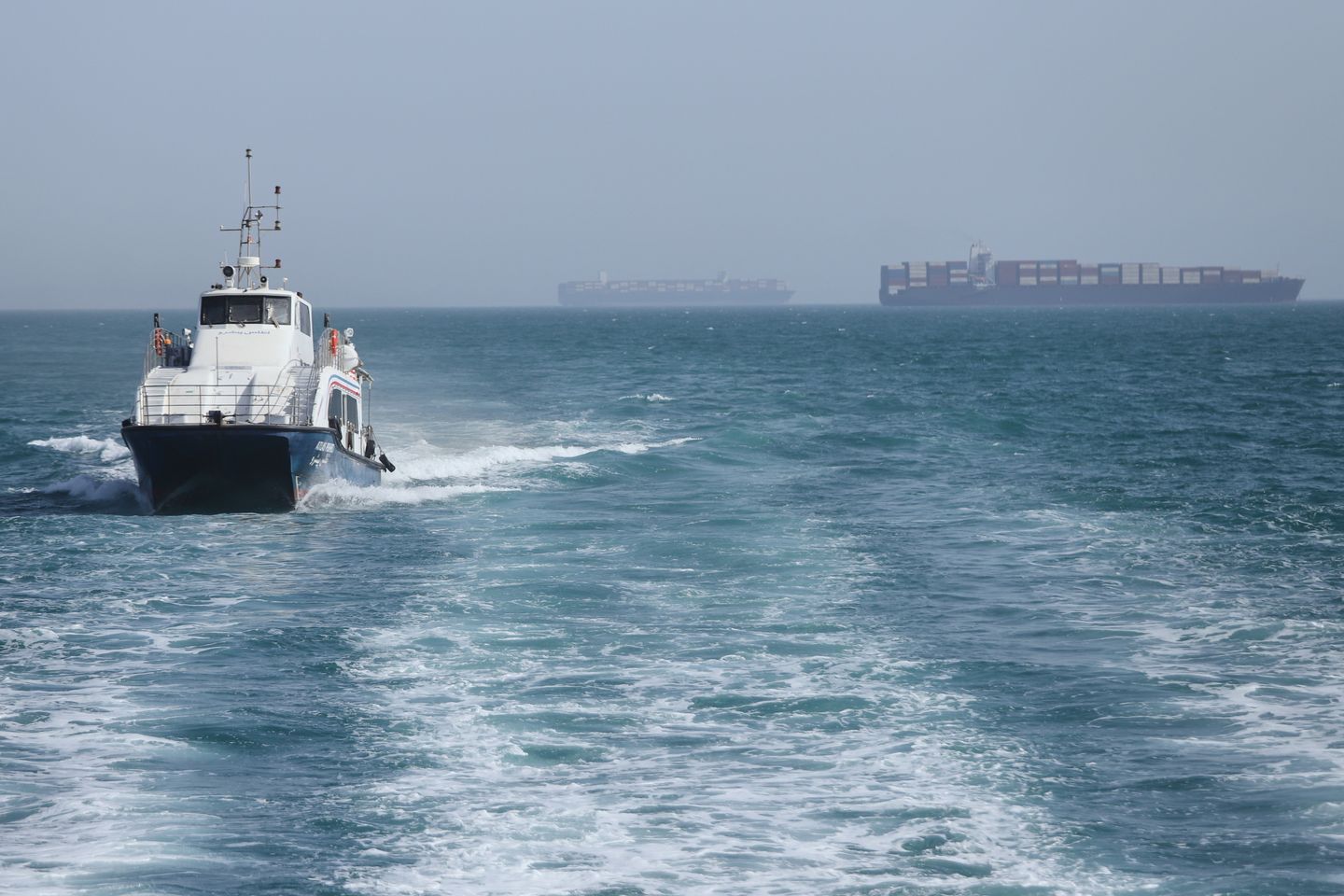
The ceasefire in the Iran war abruptly faced its most perilous moment Monday after the United States began trying to open the Strait of Hormuz to allow hundreds of stranded commercial ships sail out.
There had been warning signs in the hours before the United Arab Emirates said it came under attack for the first time since the early April ceasefire, and before a British military monitor said two cargo vessels were ablaze off the UAE.
Iran had called the new U.S. military-aided effort to guide ships through the strait a violation of the fragile, three-week ceasefire. There were few signs of ships taking advantage of “Project Freedom,” announced Sunday by President Donald Trump, though the U.S. said two U.S.-flagged merchant ships safely transited with its help.
Caution is quickly growing among shippers, and in markets, over the lack of details from Washington. Who would risk their crew and cargo to possible Iranian fire?
Here’s what to know.
U.S. appears to be going it alone
Iran’s grip on the crucial waterway has left hundreds of commercial ships and tens of thousands of sailors stuck since the war broke out over two months ago.
Backed up in the strait are weeks’ worth of supplies of globally needed oil, gas, fertilizer and other goods. This has been Iran’s strategic advantage in the war, one that has pinched economies and dimmed the outlook for the Republican president’s party in this year’s midterm U.S. elections.
Oil prices rose Monday as uncertainty continued around the strait and the U.S. effort, which Trump has described as a humanitarian one to help countries that have been “neutral and innocent” in the war.
While countries in Europe and elsewhere have fretted over the strait and have been urged by Trump to help solve the issue, it was not immediately clear whether any other nation was involved Monday.
The U.S. military said the initiative would involve guided-missile destroyers, more than 100 aircraft and 15,000 service members but did not say how they would be deployed.
Trump warned that interference in the effort “will, unfortunately, have to be dealt with forcefully.”
The U.S. military said it sank six small Iranian boats that were targeting civilian vessels. It said Iran also launched missiles and drones at ships the U.S. was protecting.
Iran calls the effort part of Trump’s ‘delirium’
Iran effectively closed the strait by attacking some ships over the past two months, and told others not affiliated with the U.S. or Israel that they could pass if they paid a toll.
Concerns remain about Iranian mines in the waterway as shippers consider the new U.S. effort.
Iran’s military command on Monday said ships still must coordinate with Tehran to transit the strait and warned that “any foreign military force – especially the aggressive U.S. military – that intends to approach or enter the Strait of Hormuz will be targeted,” the state broadcaster reported.
Iran’s state-run IRNA news agency called Trump’s plan to reopen the strait part of his “delirium.”
Iranian news agencies claimed that Iran struck a U.S. vessel southeast of the strait, accusing it of “violating maritime security and navigation norms.” The U.S. military, which has been blockading Iranian ports for weeks, denied it.
Wary shippers say security situation remains unchanged
The threat level around the strait remains critical, according to the U.S.-led Joint Maritime Information Center, even as it issued an advisory earlier Monday on the new U.S. effort.
The head of security for the Baltic and International Maritime Council, a leading shipping trade group, said no formal guidance or details about the effort had been issued to the industry.
“Without consent from Iran to let commercial ships transit safely through the Strait of Hormuz, it is currently not clear whether the Iranian threat to ships can be degraded or suppressed,” Jakob Larsen, BIMCO’s chief safety and security officer said in a statement.
Larsen questioned whether the effort is sustainable in the long run or is envisioned as a more limited operation, and said there is a “risk of hostilities breaking out again” if it goes ahead.
The Joint Maritime Information Center has advised ships to cross the strait in Oman’s waters, saying the U.S. has set up an “enhanced security area.” It warned that passing close to usual routes “should be considered extremely hazardous due to the presence of mines that have not been fully surveyed and mitigated.”
The center urged mariners to coordinate closely with Omani authorities “due to anticipated high traffic volume.”