The federal government loses hundreds of billions of dollars a year to fraud, and most of the largest programs that funnel money through states still lack basic assessments of where that fraud will likely strike, according to a congressional watchdog report released Thursday.
The federal government loses $233 billion to $521 billion annually to fraud, according to the Government Accountability Office analysis of fiscal 2018 through 2022.
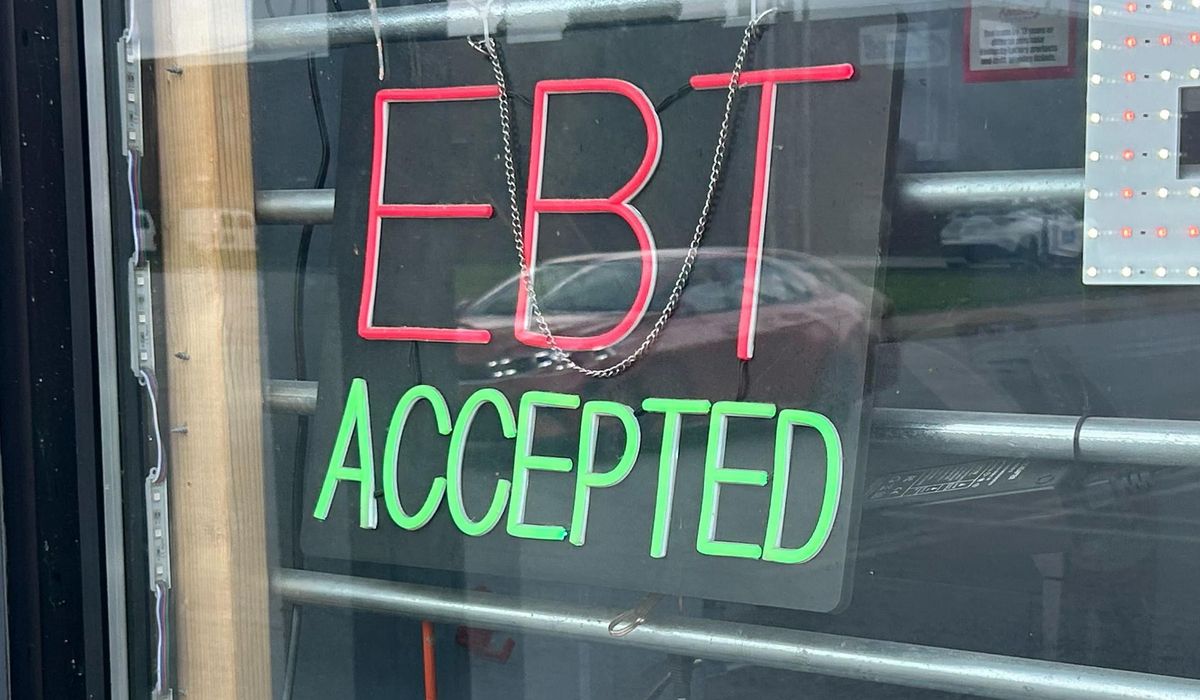
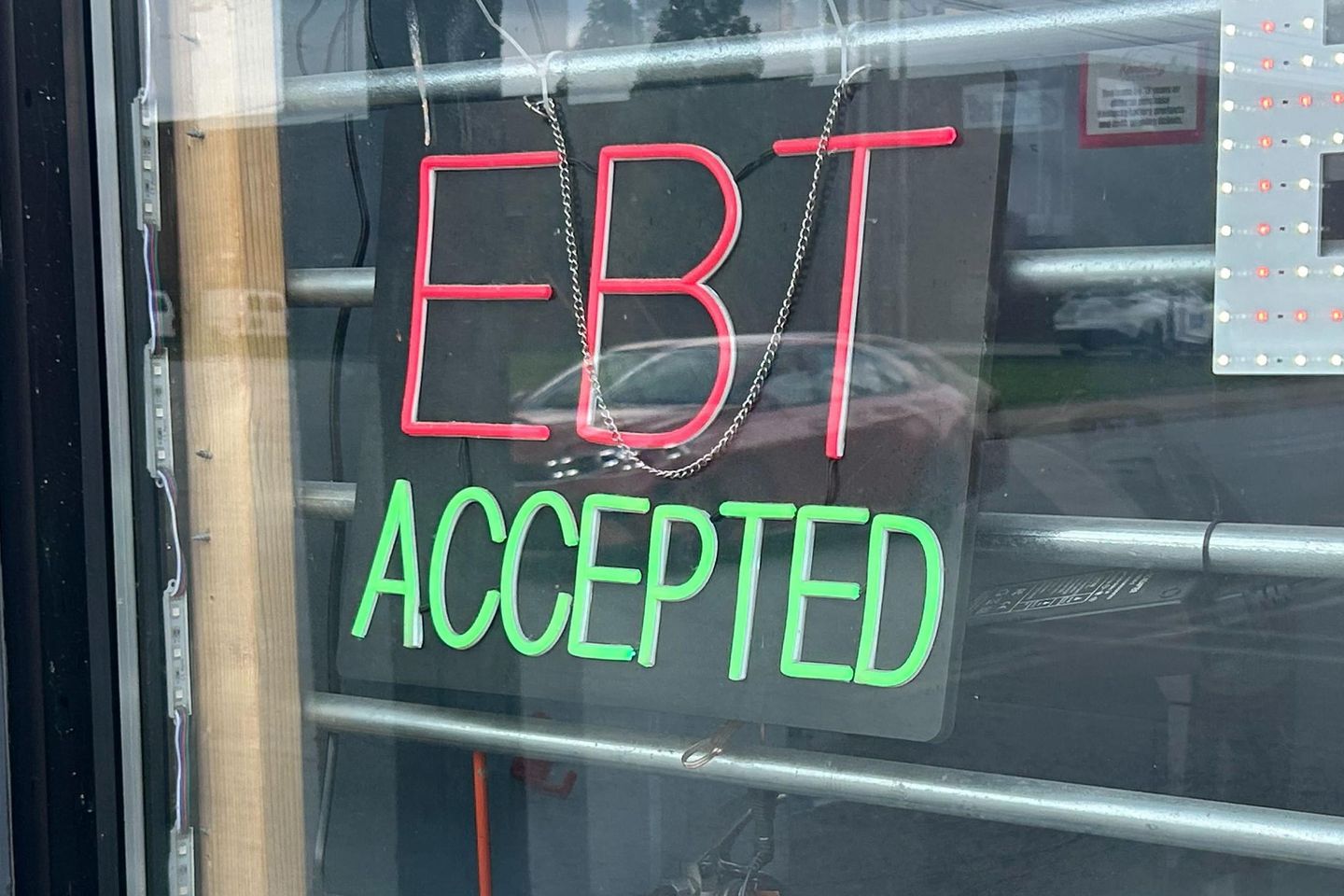
Of the 20 government programs analyzed by the agency, only five had documentation to identify and rank fraud risks. Multiple programs, including food stamps, or the Supplemental Nutrition Assistance Program, and Section 8 housing choice vouchers, had no assessment at all.
Some agencies even said their programs did not need fraud assessments because they’re covered by improper-payment reviews instead.
SNAP, the National School Lunch Program, Children’s Health Insurance Program and Medicaid were at the top of the fiscal 2025 list for estimated improper payment rates.
Federal agencies estimated that improper payments across 64 programs totaled $186 billion in fiscal 2025, an increase of $24 billion from the prior fiscal year.
Almost all of the programs assessed — 18 out of 20 — had “severe and persistent” audit findings, meaning serious, unresolved problems that lingered year after year without being fixed.
What’s new, however, is AI-enabled fraud, with organized scam groups increasingly using AI to automate large-scale cons within seconds, putting officials “one step” behind, according to the report.
Inherent fraud risks are associated with different program structures.
For many programs, federal grants are passed through other entities, such as subrecipients, contractors and subcontractors, diminishing visibility. Various grant types also carry fraud risks that range from individuals falsifying evidence to gain access to benefits to administrators embezzling federal and state funds.
The fix, GAO said, is to take a page from other countries’ playbooks and tap Congress to help.
A new concept is to explore a dedicated U.S. counterfraud profession — modeled on the U.K.’s 2018 counterfraud civil-service career track — since no comparable federal job series exists.
Pending legislation in both chambers of Congress is identified as vehicles that would address specific GAO recommendations.
The PIIA Reform Act calls for increasing use of payment integrity tools by states, including Do Not Pay, an initiative that can cross-match applications across states and programs to catch duplicate or fraudulent claims before payment.
Along with the Safeguarding the Transparency and Efficiency of Payments Act, both would require agencies to report information on the status of implementing leading practices outlined in the Fraud Risk Framework.
The Fraud Prevention and Accountability Act would establish a governmentwide Inspector General for Fraud, Accountability and Recovery and enact Treasury data-sharing authorities. Separate legislation, the Preventing Waste, Fraud, and Abuse in TANF Act, would address a related need, giving the Department of Health and Human Services the legal authority to require states to report TANF (Temporary Assistance for Needy Families) data needed to estimate improper payments.
The report’s findings underscore a persistent gap between the scale of federal spending flowing through states and the tools in place to protect it — one that GAO warns is only widening.
With almost two dozen of the watchdog’s recommendations still unaddressed and several bills aimed at closing the gaps stalled in Congress, lawmakers face pressure to decide whether to act on the fixes GAO has been proposing for years.