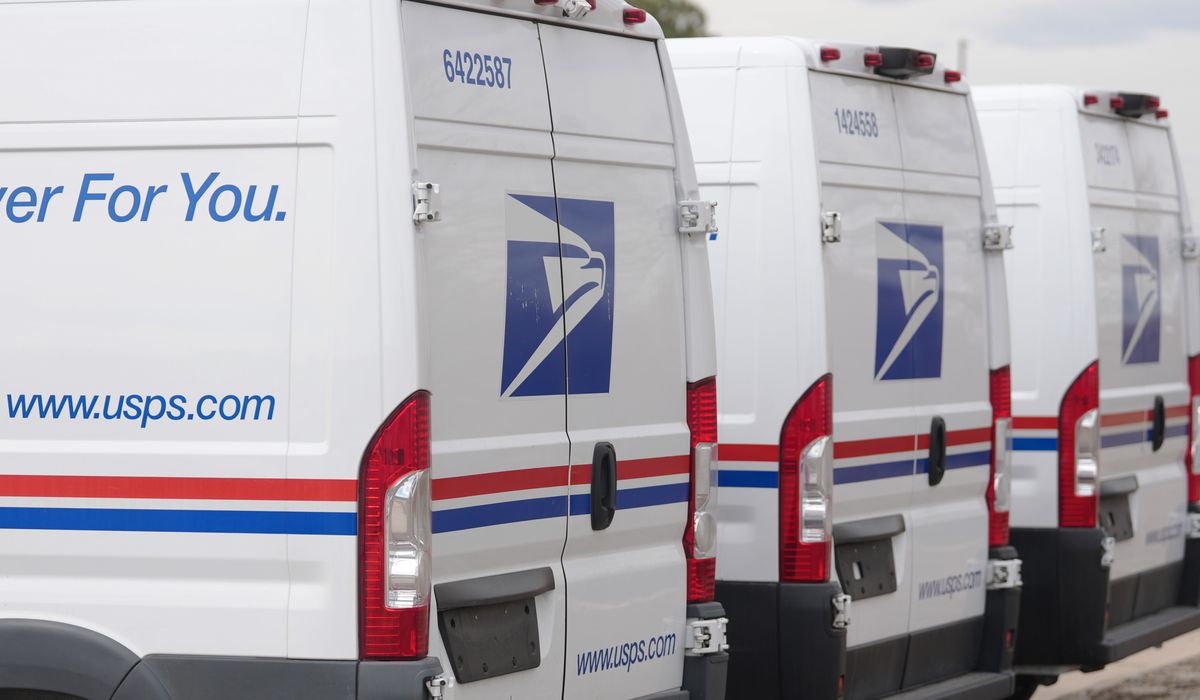
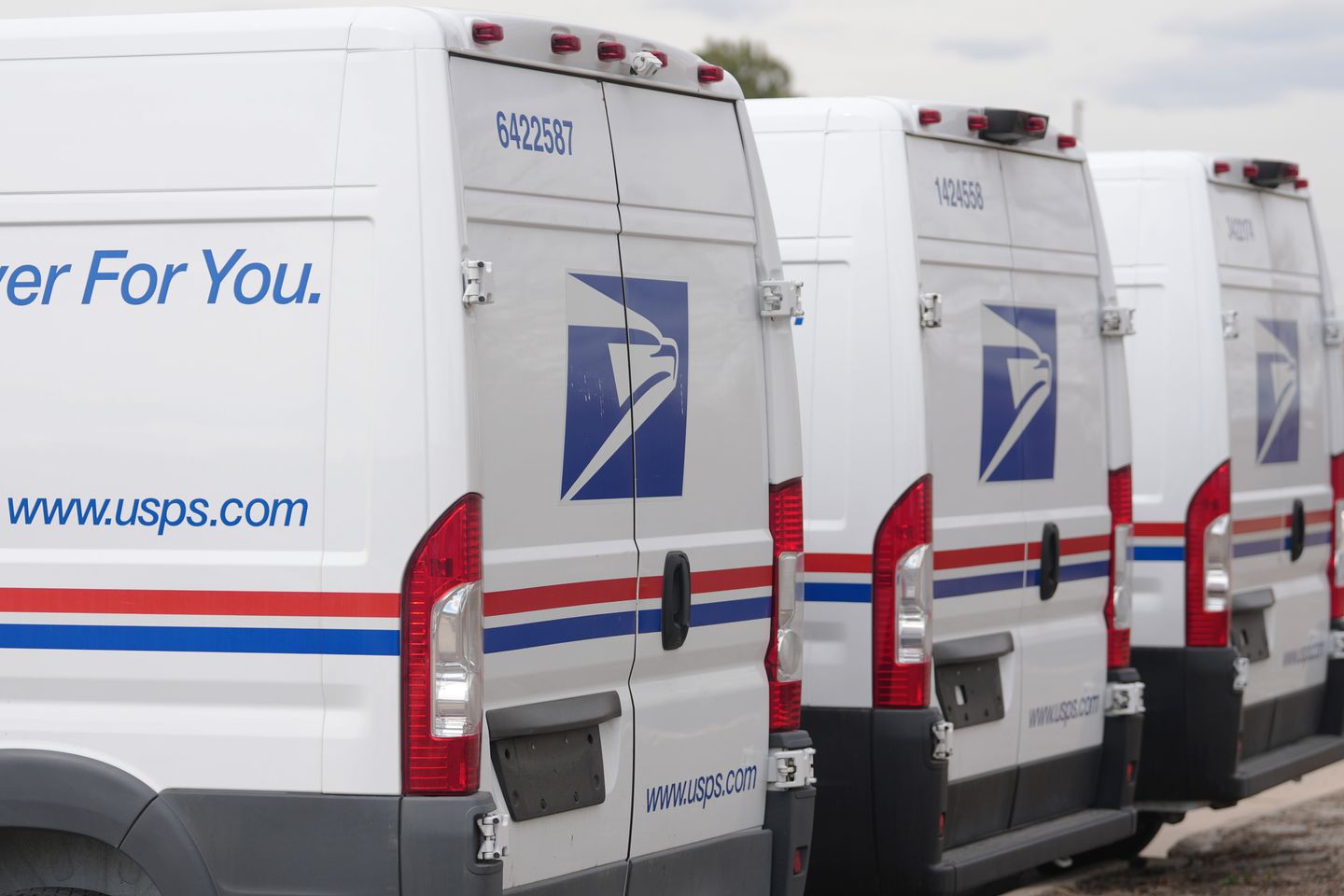
The U.S. Postal Service is nearing completion of a new rule that would allow people to ship handguns through the regular mail, undercutting the oldest federal firearms law in existence — and drawing fierce criticism from both sides of the gun debate.
Gun control advocates complained that the proposal would make it easier for private sales to take place, potentially circumventing background checks. Plus, they worried, more guns in the regular mail means more chances for them to be lost or stolen.
Second Amendment groups, meanwhile, said they welcomed the change on handguns as overdue, but said the postal service is still trampling on gun owners’ rights by barring shipment of ammunition and some other firearms that are lawful to own.
“Allowing Americans to ship handguns through the mail is not going to cause the sky to fall,” said Eric Pratt, senior vice president at Gun Owners of America.
Final public comments were due this week on the rules change and the postal service, in a statement, said it is reviewing those comments. It gave no hint of when it might issue a final rule.
Officials said the change is being done in response to a new opinion earlier this year from the Justice Department arguing the 1927 ban on mailing concealable firearms is unconstitutional because it infringes on Americans’ gun rights.
DOJ’s Office of Legal Counsel, whose opinions are binding within the executive branch, said that under current Supreme Court jurisprudence, gun laws must show they would have been countenanced by those who crafted the Second Amendment at the government’s founding. No such ban on mailing weapons existed at that time, and the law is an undue burden, OLC concluded.
“We therefore conclude that the statute violates the Second Amendment insofar as it burdens the rights of law-abiding citizens to ship and receive arms in common use for lawful purposes,” Assistant Attorney General T. Elliot Gaiser wrote.
He said DOJ should not pursue criminal cases involving mailed firearms, and he said the postal service needed to update its rules.
He did say that the post office could retain its ban on ammunition. While bullets are constitutionally protected, he wrote, the danger of injury to postal employees justified a ban on all types of explosives. And he said the founding-era bans on storing gunpowder gave legal backing to a ban on ammunition shipping.
The post office worked with OLC to deliver its new regulation on April 2.
“The proposed revisions expand the scope of mailable firearms compared to the existing regulations by allowing lawful handguns to be mailed under the same terms and conditions as lawful rifles and shotguns. These conditions continue to require, among other things, that mailed firearms be unloaded,” the regulation said.
The 1927 law, the Mailing of Firearms Act, is considered the first-ever federal law that directly regulated guns. It was passed in response to growing concern over gangsters’ access to guns, and was aimed specifically at firearms that could be easily concealed.
States, which had been taking the lead in regulations, had demanded federal help in stopping the flow of guns across their borders.
“Every police head in America, the District of Columbia is on record against the mails delivering guns indiscriminately,” Clarence Ayres, president of the Civil Arms Commission, told lawmakers.
The legislation also met with objections that sound strikingly familiar to today’s gun debate.
“In New York state, the Sullivan Act has disarmed the law-abiding citizens and it is not perceptible that any criminal has been impeded in the least in his activities,” said Sen. David Reed, a Pennsylvania Republican.
The law has always allowed licensed dealers to ship through the mail, but private transfers were barred.
Mr. Pratt said private shippers such as FedEx used to allow handgun shipments but now have a similar policy limiting that to licensed dealers.
Liberal groups have lined up in opposition to the postal service proposal.
The League of Women Voters worried that voters might feel less safe going to cast ballots.
“Any rule change that weakens safeguards on the circulation of firearms undermines the ability of all people to participate fully in civic life,” the league said.
The Brady Center to Prevent Gun Violence said handguns account for the vast majority of gun crimes and anything that expands access is dangerous. In particular, Brady warned, people in states with lax laws could obtain handguns and then ship them into states with stricter rules.
“The proposed rule provides traffickers with a convenient pathway for moving handguns across state lines that does not expose them to potential law enforcement encounters, and undermines critical state and local gun regulations in the process,” Brady said.
Democratic politicians have also criticized the OLC opinion and told the postal service there’s no reason to undo the ban.
“If the Postal Service alters its rules consistent with the OLC memo by allowing handguns to be mailed through the Postal Service, criminals will have a significantly easier time evading law enforcement to conduct their illicit activities,” Rep. Maxwell Frost, Florida Democrat, wrote in a letter to Postmaster General David Steiner.
He also worried about guns being stolen out of the mail.
Mr. Pratt at GOA, though, said the risk of stolen firearms is “a reality of life.” He said the postal service does try to combat it by requiring packaging be unlabeled.
He was disappointed that the postal service didn’t include allowing ammunition in its update.
He said modern ammunition is stable and unlikely to detonate even if exposed to fire. He said FedEx and UPS both ship ammunition without any issue, and the postal service itself ships “far more hazardous things – like spray paint, lithium batteries.”
“If I were a mail carrier, I’d much prefer a truck full of ammo than a truck full of beehives,” he said.