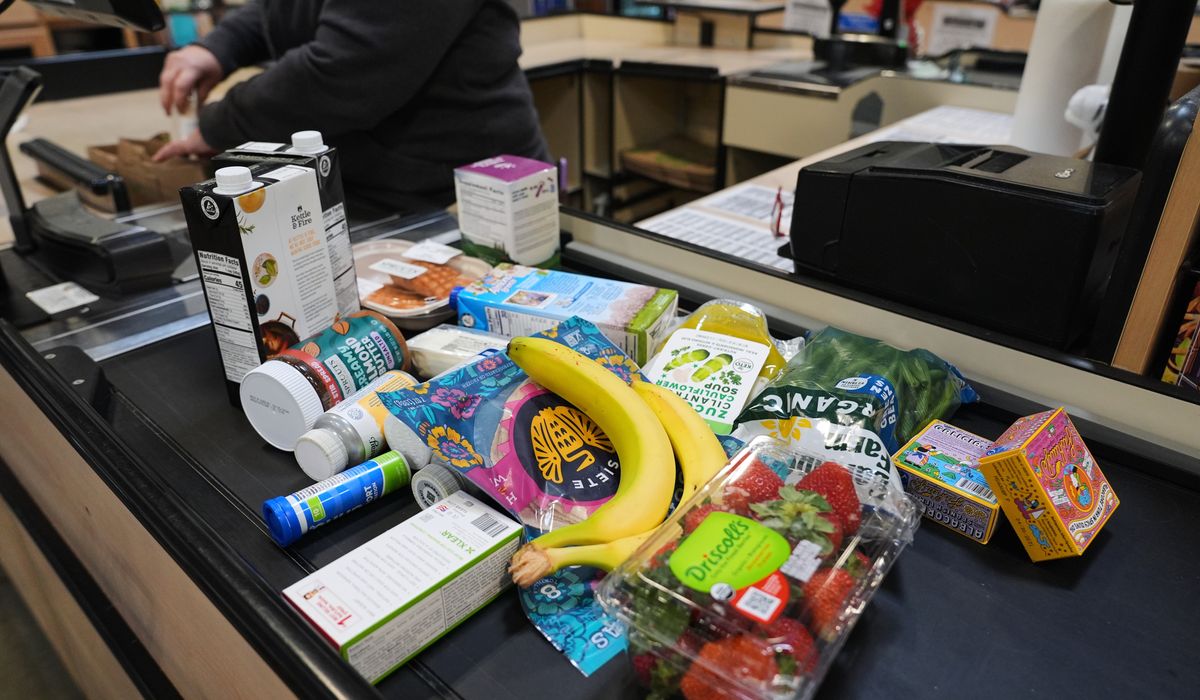
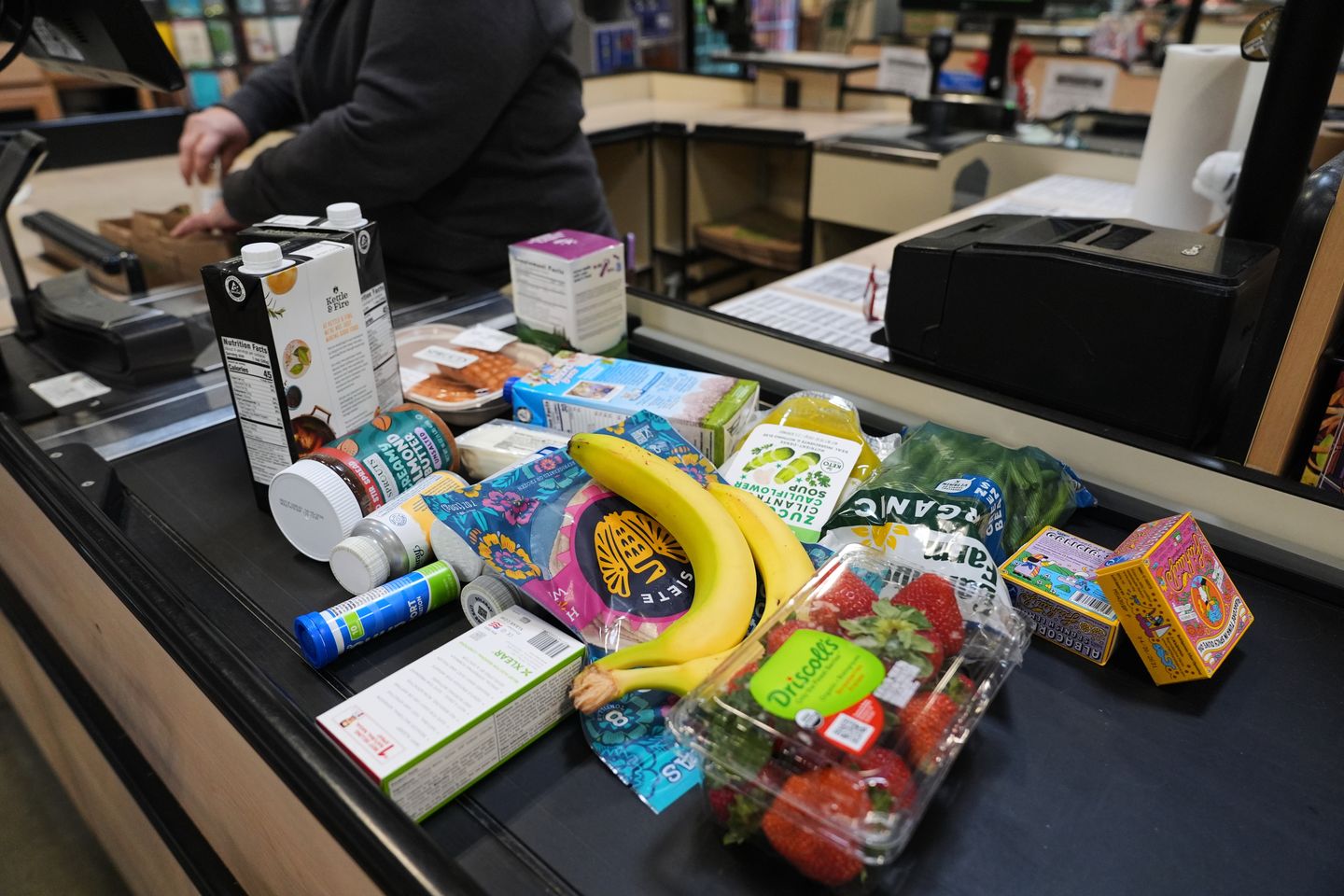
The U.S. Department of Agriculture said Thursday that stores that accept government food stamps must sell more “real food” in an effort to prod America’s poor to ditch snacks in favor of healthier fare.
Retailers that want to keep their authorization for the Supplemental Nutrition Assistance Program will have to meet standards for the amount of perishable and minimally processed foods they sell.
“SNAP authorized retailers accept over $90 billion a year, or $236 million a day, in taxpayer dollars — USDA is making sure they’re actually in the business of selling food,” said Agriculture Secretary Brooke Rollins.
The exact guidelines for stores will be released “in the coming weeks,” her department said, and the changes take effect this fall.
“This rule puts real food back at the center of SNAP,” said Health and Human Services Secretary Robert F. Kennedy Jr.
The goal, the officials said, is to force changes to retailers that have been offering the minimum to get ahold of food stamp business. The changes will also try to eliminate what the government called a loophole that allows some snack foods to be covered by food stamps.
Under the current standards, retailers that are authorized to take SNAP must carry at least 36 staple food items, and such sales must be more than 50% of total gross sales.
Staple foods range from a head of lettuce or a package of blueberries to a bag of rice or box of oatmeal.
The Agriculture Department said the new standards will double the requirement for fare available while emphasizing perishables and whole food.
Food stamps account for more than $90 billion a year in sales, and the secretaries said that gives the government massive power to prod changes in health.
“To turn the tide on our nation’s health crisis, we need to ensure our nutrition assistance programs emphasize real food first, and that’s exactly what these updates to SNAP retailer requirements will do,” Ms. Rollins said.