KYIV, Ukraine — Ukraine is considering a step that would have seemed politically radioactive before the war: legalizing private military companies to turn the country’s unmatched experience of modern warfare into an export business.
On May 6, President Volodymyr Zelenskyy said he had instructed the government, the Interior Ministry, intelligence agencies and his office to draft legislation that would allow the creation of Ukrainian private military companies. The goal, he said, is to turn Ukraine’s “security export” into a real economic opportunity and outlet for veterans after the war.
Mr. Zelenskyy framed the idea as part of Ukraine’s postwar economy and veteran policy.
The idea is politically sensitive, legally complicated and easy to misunderstand: Ukraine is not talking about legalizing private armies inside the country. Rather, the draft framework under discussion would create state-regulated companies registered in Ukraine and authorized to provide certain military, security and training services abroad.
For Kyiv, the proposal is part veteran policy, part industrial strategy and part foreign policy.
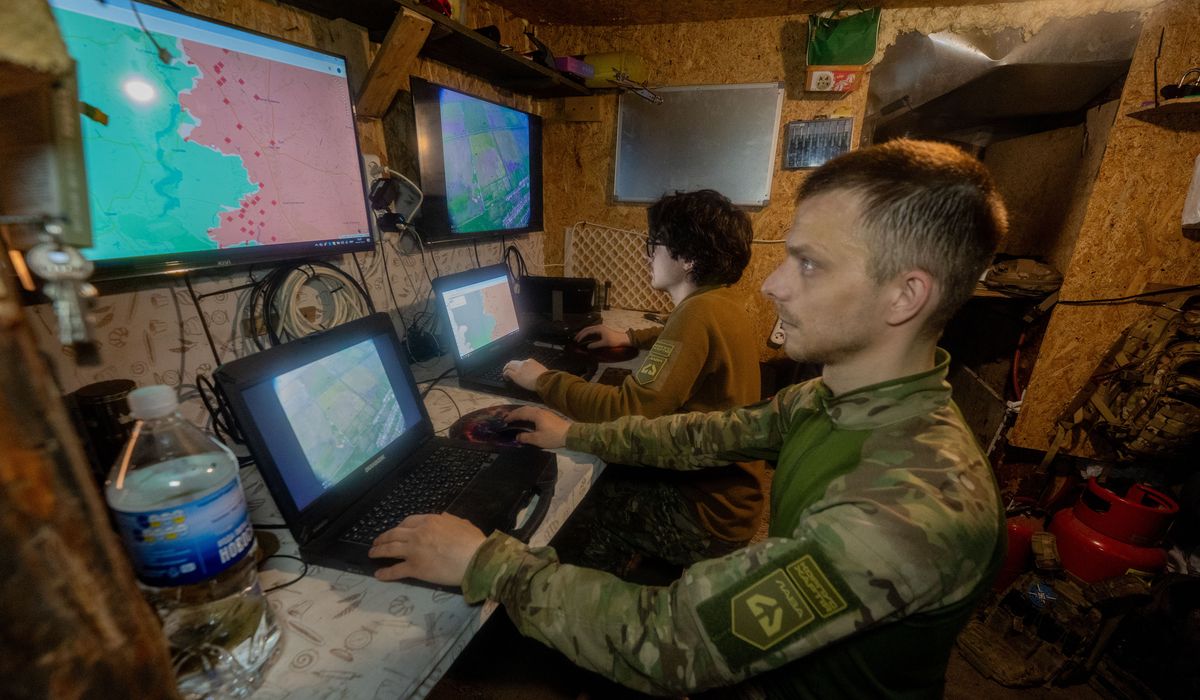
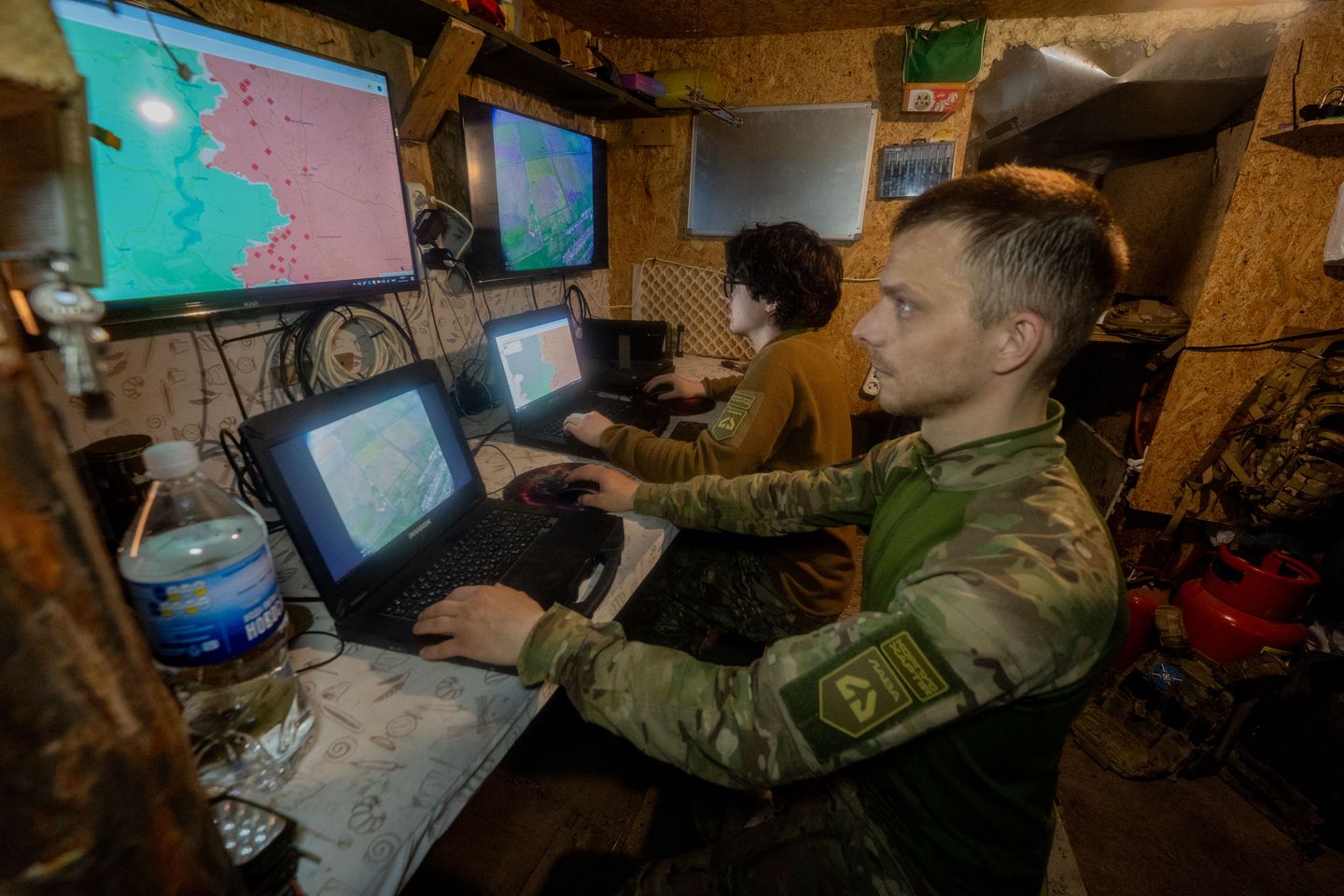
Ukraine is poised to emerge from the war with one of the world’s largest pools of combat-tested soldiers, drone operators, deminers, medics, electronic warfare specialists and air defense crews.
Many will return from the front with skills that few civilian employers can use.
Halyna Yanchenko, a Ukrainian lawmaker who supports the proposal, said Ukraine must begin preparing now.
“These people have unique military experience, and not all of them will be able to find themselves in civilian life,” Ms. Yanchenko said in an interview. “Some went to war when they were 18, while others spent their entire lives in the military and are now retired. Some had their workplaces occupied or destroyed.”
Ukraine already has around 1.8 million veterans, according to Prime Minister Yulia Svyrydenko. The government has said it wants to help employ 100,000 of them by 2030 through cooperation with the private sector.
This number is expected to rise as the war continues.
For supporters of the plan, private military companies could give veterans a legal way to use their experience after leaving the armed services. They argue that without such a framework, Ukrainian veterans could be recruited abroad by foreign governments, private companies or armed networks that Kyiv cannot control.
“The real security risk is what happens if PMCs are not legalized,” Ms. Yanchenko said. “Legalization is about transparency and control.”
A new export industry
The debate comes as Ukraine is trying to change how the world sees its defense sector.
For most of the war, Ukraine has been treated as a recipient of Western military aid. Ukrainian officials now want the country to be seen as a supplier of weapons, training and battlefield knowledge.
Ukraine has become a testing ground for modern warfare. Cheap first-person-view drones have turned into precision weapons. Civilian quadcopters have been adapted for reconnaissance and attack. Naval drones have helped push Russia’s Black Sea Fleet away from parts of Crimea. Interceptor drones are now used against Russian reconnaissance aircraft and Shahed-type attack drones. Electronic warfare changes almost weekly.
That knowledge is incredibly valuable.
Western armies are trying to absorb lessons from Ukraine, especially as NATO members worry about Russia’s long-term threat and the slow pace of their own defense adaptation.
Countries in the Gulf and elsewhere have also shown interest in Ukrainian drone warfare, air defense and battlefield command systems.
Mr. Zelenskyy has spent recent months promoting Ukraine’s defense industry abroad, pursuing long-term defense cooperation agreements with Gulf countries and seeking to open new export channels for Ukrainian technology, co-production and training.
Private military companies, if approved, could become one piece of that wider push.
Ms. Yanchenko said the value of Ukraine’s experience lies less in the hardware than in how it is used.
“You and I can assemble an FPV drone. It’s actually not that difficult,” she said, referring to first-person view drones.
“But knowing how to use that drone in combat, how to intercept another drone with it, how to set up command systems, properly use EW and SIGINT systems, and adapt those systems to changing battlefield conditions — those are unique skills,” she said, referring to electronic warfare and signals intelligence systems.
Training foreign militaries would be the most obvious first step, she said.
Ukrainian veterans could teach partner forces how to use drones, survive under drone threat, build small-unit electronic warfare defenses, organize mobile air defense teams, conduct demining operations or protect critical infrastructure.
That would allow Kyiv to export expertise without removing much-needed active-duty troops from the front.
Veterans with amputations or other injuries could also take part, Ms. Yanchenko said, because many of these roles would be instructional rather than combat-based.
The legal fight ahead
The current proposal builds on a draft law registered in April 2024 that would create “international defense companies” based in Ukraine. The bill was placed on the agenda of Ukraine’s parliament, the Verkhovna Rada, in February, but remains under review.
The draft would allow Ukrainian companies to provide services abroad, including tactical training, demining, protection of people and property, security consulting and support for allied countries.
It also envisages a supervisory body under Ukrainian military intelligence, which would approve contracts, register weapons and equipment, and monitor the companies’ activities.
Interior Minister Ihor Klymenko has said any model must be transparent and consistent with Ukraine’s Constitution and national interests.
That will not be simple.
The Defense Ministry supported the general idea in 2024 but said the draft law needed serious revisions to comply with Ukraine’s Constitution, defense and intelligence legislation, and the Geneva Conventions.
The objections point to the main challenge: Ukraine wants to export military expertise without creating armed actors that operate in legal gray zones.
The country has already taken smaller steps toward private participation in defense, as Ukraine’s private air defense initiative now allows approved companies to help protect industrial facilities from Russian drone attacks.
Those units operate within Ukraine’s air defense architecture and remain under military control when it comes to firing decisions.
That model, however, is narrow and defensive. Private military companies operating abroad would raise more difficult questions.
Who approves their clients? Who controls their weapons? What happens if a Ukrainian contractor commits a crime overseas? Can a company be used by a foreign state in a conflict that Ukraine does not want to be associated with? What happens if veterans are hired by governments with poor human rights records?
These are not theoretical concerns.
A warning from Iraq
For Americans, the obvious precedent is Blackwater.
Founded by Erik Prince in the 1990s, Blackwater became one of the best-known private security contractors of the Iraq War. Its personnel protected U.S. diplomats and officials at a time when the American military and State Department relied heavily on contractors.
The company became a symbol of what can go wrong when armed contractors operate in war zones with unclear accountability.
On Sept. 16, 2007, Blackwater guards opened fire in Baghdad’s Nisour Square while escorting a U.S. convoy. Four former Blackwater employees were later convicted in U.S. federal court over a shooting that the Justice Department said killed 14 unarmed Iraqi civilians and wounded others.
The case damaged America’s reputation in Iraq and became a shorthand for the dangers of outsourcing force: loose oversight, blurred chains of command and legal disputes that dragged on for years. President Trump pardoned the four contractors in 2020, a decision criticized by U.N. human rights experts.
Russia’s Wagner Group offers another warning.
Wagner operated as an arm of Russian influence in Ukraine, Syria and several African countries, offering plausible deniability for the Kremlin. It mixed combat operations, political support for friendly regimes, resource deals and brutal counterinsurgency methods. Human rights groups and international investigators have linked Wagner personnel to killings, torture and abuses against civilians.
Ukraine’s proposed companies would be different in purpose and legal status. They would be regulated by the Ukrainian state and aimed at foreign training, security and defense services, not deniable warfare.
Still, the above examples matter: While private force can serve state interests, it can also damage them. It can provide expertise quickly, but it can also create scandals that outlive the mission.
For Ukraine, however, the appeal is undeniable. The country has rare combat knowledge, a large veteran population and a defense sector that wants to compete globally. It also needs long-term employment paths for soldiers who have spent years at war.
The risk is that a tool meant to strengthen Ukraine’s postwar state could become difficult to control.
Kyiv’s challenge will be to build a system strict enough to avoid the Blackwater and Wagner traps, but flexible enough to let Ukrainian veterans and companies compete in a growing global market for security, training and defense technology.
Ukraine has learned how to fight a modern war under extreme pressure. It now has to decide how much of that knowledge it wants to sell, and under what rules.