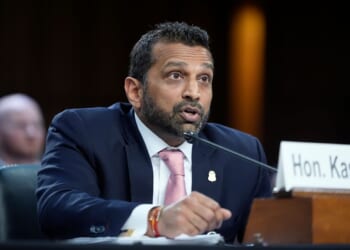
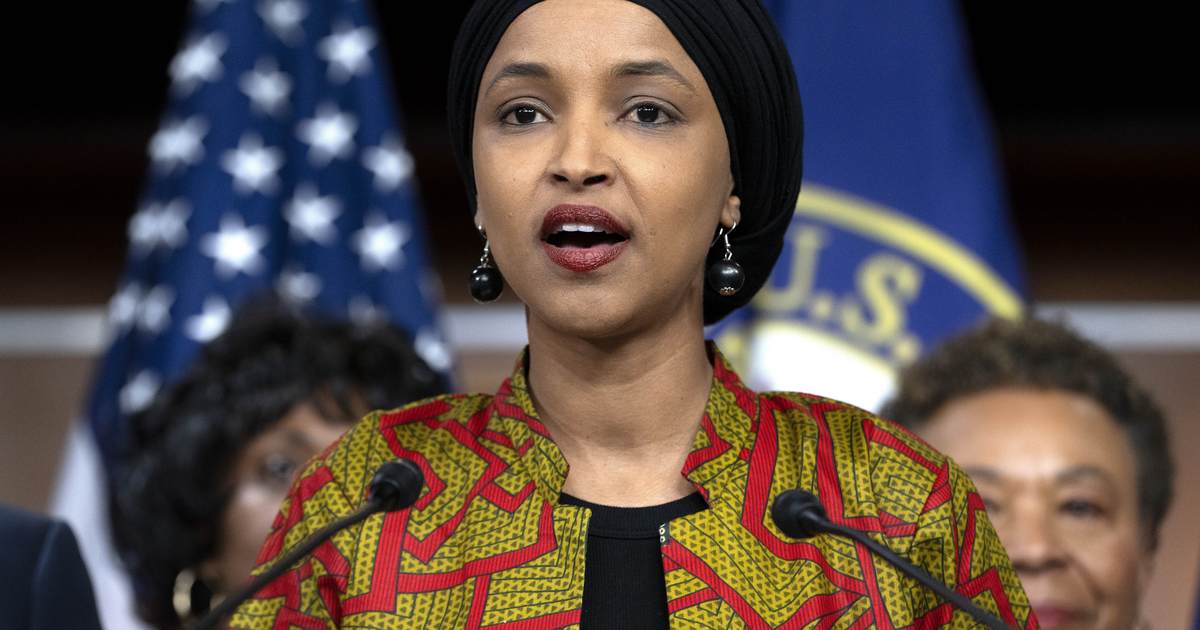
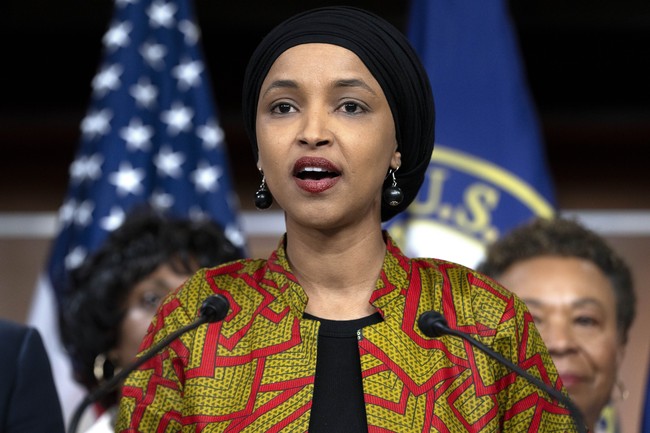
The Justice Department returned Andy Ogles’ cellphone in May. Five months later, federal agents seized Ilhan Omar’s phone during a search of her Washington home. The Tennessee Republican and the Minnesota Democrat have something unexpected in common: Both know what it feels like when investigators take possession of a sitting member of Congress’s private communications.
The similarities make an instructive Referee Test. The most important comparison concerns what happened to the evidence after agents took it. Federal investigators obtained judicial authorization in both cases, but a warrant doesn’t end the constitutional inquiry.
On Aug. 2, 2024, the FBI seized Ogles’ phone, one day after his Republican primary victory. Investigators were examining campaign-finance filings that originally listed a $320,000 personal loan to his 2022 campaign. Ogles later amended the figure to $20,000 and described the discrepancy as an honest mistake. The government also obtained material from his Google account.
Ogles went to court. His lawyers argued the devices contained confidential communications about congressional business, including lawmakers’ discussions about House leadership. The Constitution’s Speech or Debate Clause protects legislative activity from executive intrusion. Federal prosecutors disputed the scope of his argument but agreed not to examine the seized material while the court considered it.
In May 2026, President Donald Trump’s Justice Department agreed to return the phone and destroy information obtained under the warrants. Ogles celebrated the decision, which vindicated his objections. The judge, however, never decided whether the searches violated the Constitution. A voluntary agreement ended that dispute, leaving the underlying legal question unresolved.
And there’s a fresh development. Search-warrant affidavits unsealed this month show a federal magistrate approved the Ogles searches after investigators presented probable cause for possible false campaign-finance statements. The released documents contain extensive redactions. Probable cause justified seeking a warrant; it didn’t establish that Ogles committed a crime.
Now consider Omar. On October 12, Homeland Security investigators searched her Washington residence under a court-authorized warrant. Federal authorities seized her phone and issued more than a dozen grand jury subpoenas, including some directed to relatives. The full warrant affidavit hasn’t been made public.
Recommended: Ilhan Omar Has a New Problem, and It Fits in a Pocket
Omar’s office says she did nothing wrong and calls the search political intimidation. House Democratic Leader Hakeem Jeffries of New York, who is, you know, the most naturally sounding speaker in the country, and two leadership colleagues condemned what they described as federal law enforcement being used against the president’s political opponents. Their concern is especially pointed because Omar faces voters in a few weeks.
Washington’s reaction deserves scrutiny, but the law supplies the clearer test. The Justice Department’s own manual requires consultation with its Public Integrity Section in congressional investigations and its approval before seeking warrants for lawmakers’ devices or property. Those requirements applied to Ogles, and they apply to Omar.
The same manual prohibits scheduling investigative actions to help or hurt a candidate or party. It doesn’t establish an automatic 60-day ban on every investigative step before an election. So the timing of Omar’s search raises a question worth examining, but timing alone can’t answer whether officials broke any rule.
Democrats might remember another election-year search. On Aug. 8, 2022, the FBI searched Donald Trump’s Mar-a-Lago residence, 92 days before the midterm elections. Attorney General Merrick Garland personally approved the warrant request. Biden’s White House denied having advance notice. Democrats defended the investigation, with Democratic Rep. Lois Frankel of Florida arguing that the FBI should be permitted to do its job without political interference.
Trump wasn’t on the ballot, but he remained a central figure in Republican campaigns.
Now, back to October 12. Federal agents searched the Somalian representative’s home just 22 days before the midterms. This time, however, Democratic congressional critics condemned the operation as political weaponization, emphasizing its proximity to Election Day.
Omar is running for election, making the timing especially sensitive—yet not too sensitive; she’s using the events for fundraising.
Both searches had judicial authorization, and timing alone can’t establish political motives. But the Referee Test asks whether leaders demand the same legal safeguards and investigative independence regardless of whose home federal agents enter.
We don’t yet know whether Omar will challenge the seizure, what information agents will be permitted to review, or what internal approvals were secured. We do know Ogles successfully prevented investigators from searching his seized material while litigation proceeded. Omar’s case provides an opportunity to see whether those protections operate with the same rigor under this administration.
What is The Referee Test? The test asks whether politicians, the media, and government institutions apply the same standards when the political parties and people involved change. It measures consistency, exposes selective outrage and double standards, and asks one simple question:
Would the reaction be the same if the roles were reversed?
The Constitution didn’t change when the White House changed hands. Investigations should follow evidence, warrants should face scrutiny, and congressional communications should receive their lawful protections. The Referee Test asks whether officials demand those rules when investigating their allies and respect them while investigating their opponents.
Tired of political theater replacing honest answers? PJ Media digs into the documents, challenges the narratives, and asks questions Washington would rather avoid. Join PJ Media VIP today and save 60% with promo code FIGHT. Your subscription helps independent journalism keep asking the questions that deserve answers.