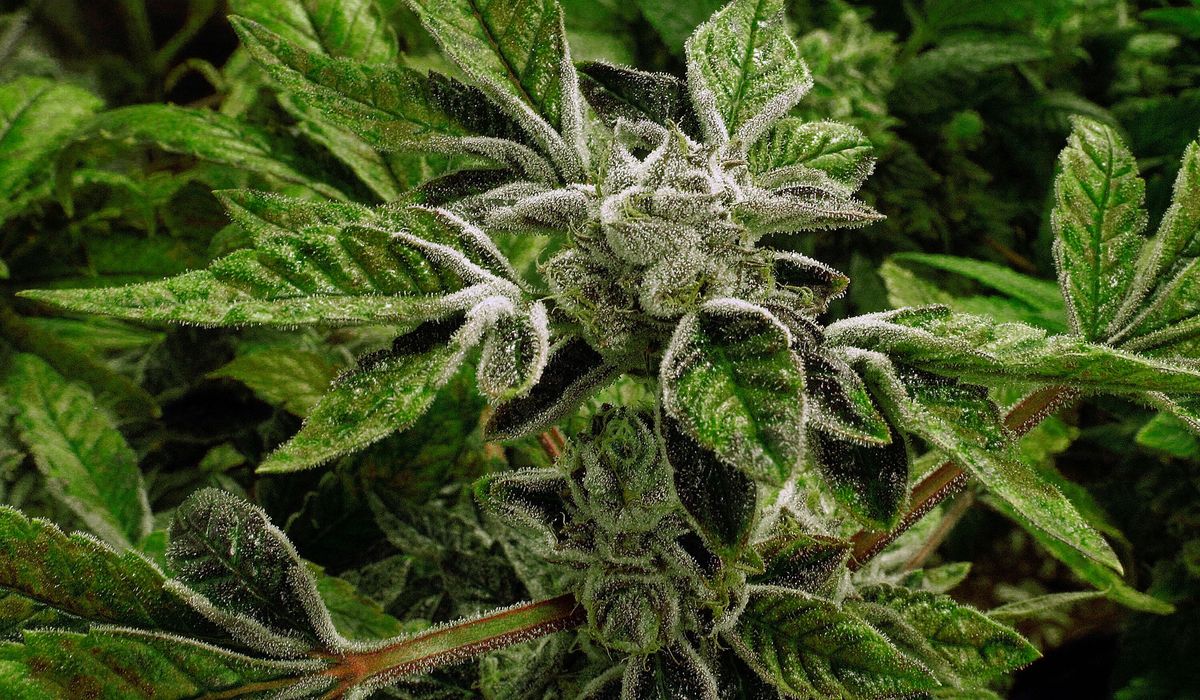
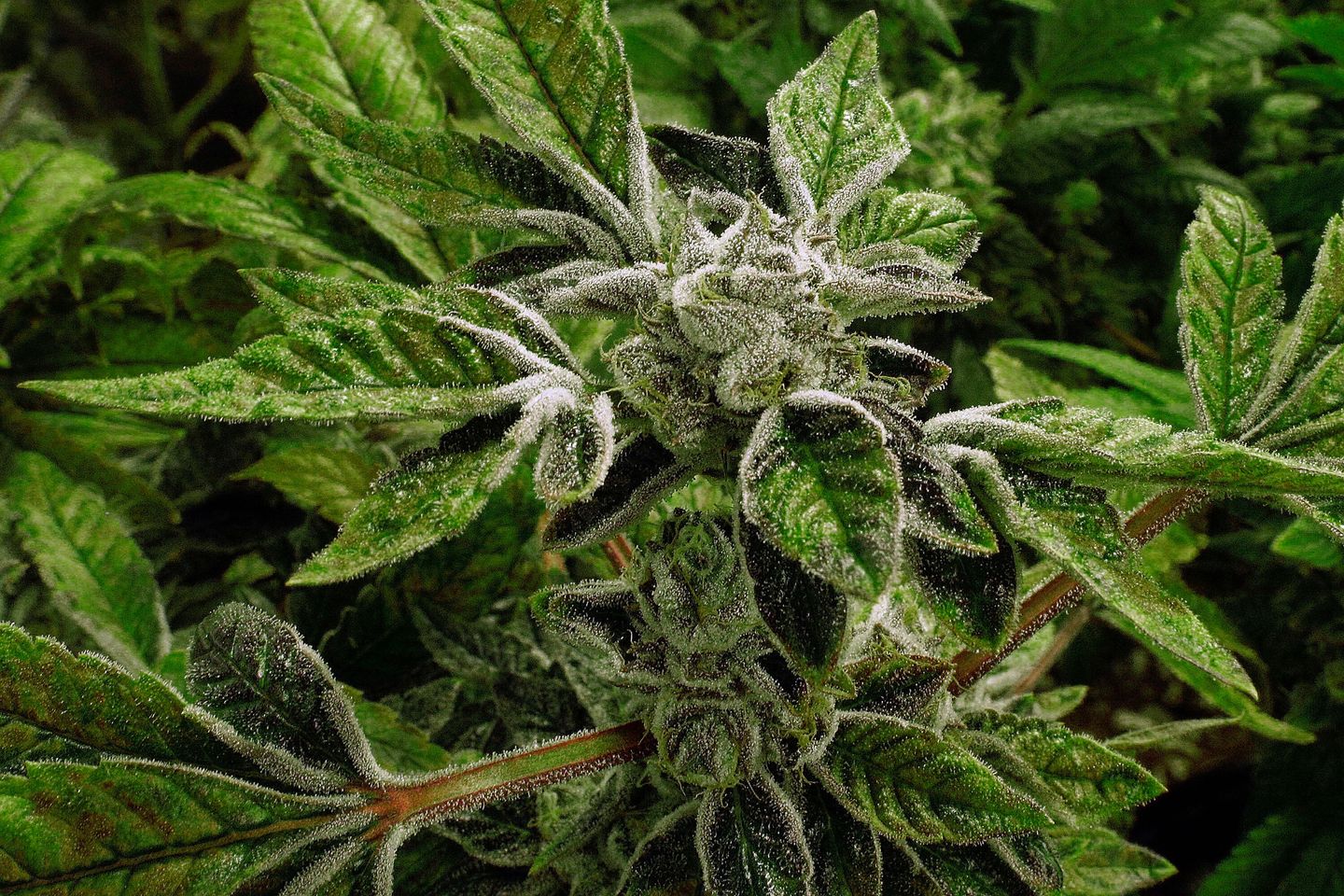
Acting Attorney General Todd Blanche signed an order Thursday reclassifying state-licensed medical marijuana as a less dangerous drug, a win for pro-cannabis groups who have sought to expand research and further alleviate the stigma for pot smokers.
The order shifts the designation of licensed medical marijuana from Schedule I, which is reserved for drugs with no currently accepted medical use and a high potential for abuse, to the less strictly regulated Schedule III of the Controlled Substances Act.
Medical or recreational use of Marijuana is not federally legal under this action. It does, however, give a tax break to licensed medical marijuana operators and eases some barriers to researching the drug in part by alleviating penalties for cannabis researchers who obtain state-licensed marijuana or marijuana-derived products for use in their work.
“The Department of Justice is delivering on President Trump’s promise to expand Americans’ access to medical treatment options,” Mr. Blanche said in a statement. “This rescheduling action allows for research on the safety and efficacy of this substance, ultimately providing patients with better care and doctors with more reliable information.”
“These actions will enable more targeted, rigorous research into marijuana’s safety and efficacy, expanding patients’ access to treatments and empowering doctors to make better-informed healthcare decisions,” he said.
Mr. Trump previously ordered federal agencies to work quickly to ease restrictions on marijuana and CBD research in December. Over the weekend, he expressed frustration over the slow pace of the effort.
The move also initiates an expedited administrative hearing process to consider the broader rescheduling of marijuana’s status, scheduled for June 29.
The Biden administration kicked off efforts to reschedule marijuana in 2024, and the Drug Enforcement Administration was still in the review process when Mr. Trump returned to the White House in January.
Now, the DEA is withdrawing the prior notice of a hearing and terminating those proceedings to “move more efficiently toward” redesignating the drug, the Justice Department said in a statement.
Schedule I substances include heroin, ecstasy and other drugs, while those under Schedule III include ketamine, Tylenol with codeine and testosterone.
If the Trump administration does move to designate marijuana a Schedule III substance, it would not make it legal under federal law. But it would leave a wide variety of secondary impacts, from tax deductions for marijuana companies to potential changes in restrictions on marijuana users obtaining firearms and qualifying for the Department of Housing and Urban Development’s rental assistance programs.