When Ted Turner launched the Cable News Network out of a converted country club in Atlanta on June 1, 1980, the three broadcast giants — ABC, NBC and CBS — had dominated American television news for decades. News came on at 6 and again at 11. Viewers planned around it. That was simply how it worked.
To Mr. Turner, according to former CNN chief news executive Eason Jordan, it was just the most logical thing in the world, and he couldn’t understand why nobody else was doing it. So he did it himself.
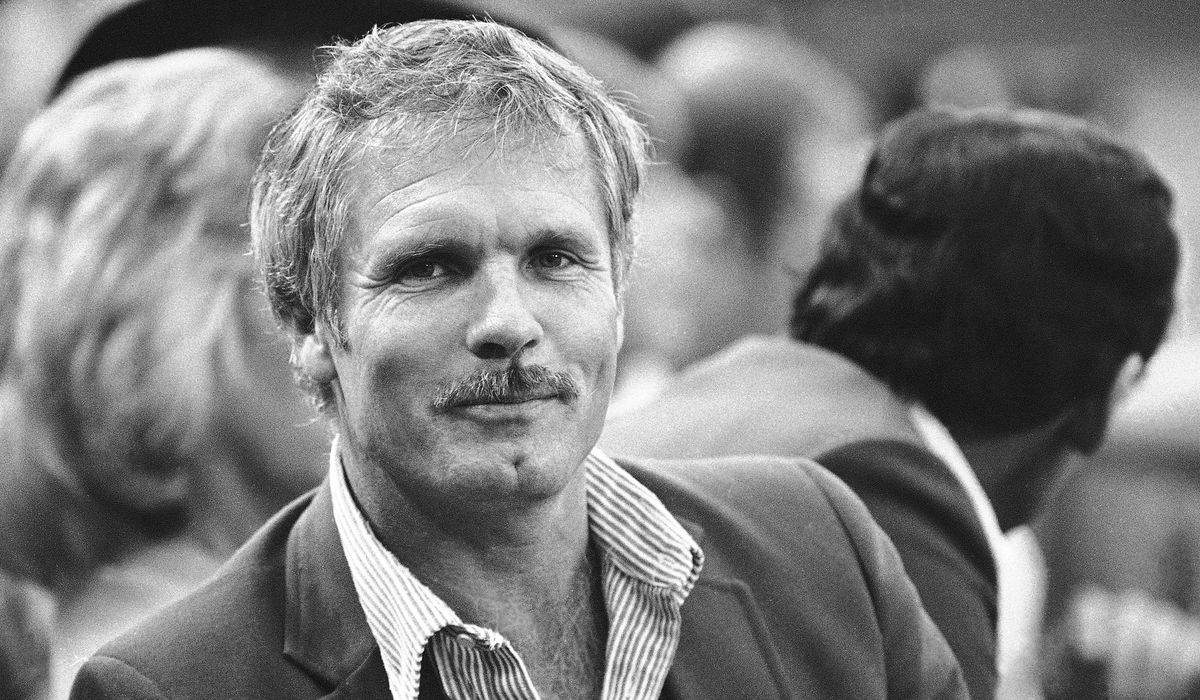
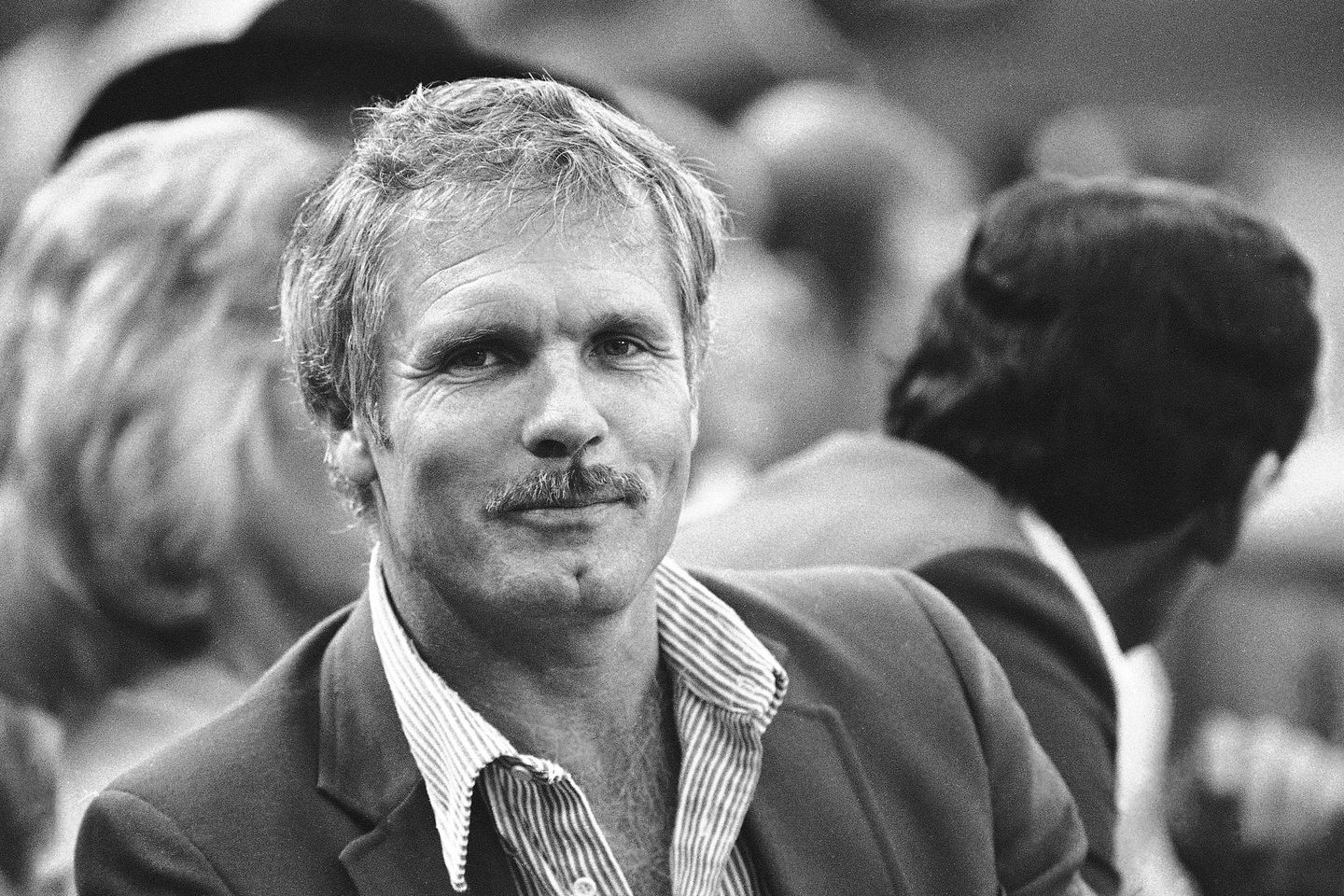
Mr. Turner, the Ohio-born Atlanta businessman nicknamed “The Mouth of the South” for his outspoken nature, died Wednesday at 87. His passing drew immediate tributes from media figures and world leaders — but the standard obituary framing of Mr. Turner as a cable pioneer undersells what he actually did. Mr. Turner didn’t just build a network. He dismantled a concept: the idea that news was something you waited for.
CNN launched at 5 p.m. Eastern Time on June 1, 1980. After an introduction by Mr. Turner himself, the husband-and-wife team of Lois Hart and David Walker anchored the channel’s first newscast. It was a modest beginning. Initial channel subscribers numbered only 1.7 million — well below the minimum needed to cover operating costs — and the press was skeptical. In those early years, CNN was dismissed as “Chicken Noodle News” and Mr. Turner was considered a dilettante, longtime CNN anchor Joie Chen later recalled. Critics didn’t think it would last.
They were spectacularly wrong.
When U.S.-led coalition forces launched Operation Desert Storm on Jan. 17, 1991, CNN’s importance became undeniable. CNN was the only news outlet able to broadcast live telephone voice reports of the attacks as the first allied bombing raid on Baghdad began. It was the first time a war had been televised live for a worldwide audience — and CNN was the only outlet with the capability to do it. “What Ted made happen was just as important as the Internet revolution,” said former Turner Broadcasting CEO Terry McGuirk.
By 1991, the world agreed. Mr. Turner was named Time magazine’s Man of the Year, recognized for “influencing the dynamic of events” and turning viewers in 150 countries into instant witnesses of history.
The broader cultural shift Mr. Turner set in motion is harder to quantify but impossible to ignore. After the public’s adoption of CNN and the 24-hour news cycle, no longer were people willing to wait for the evening news for updates on current events. They wanted it immediately. That expectation — of instant, constant information — didn’t stop with television. It migrated to the internet, to smartphones, to social media. The news alert buzzing in your pocket traces a direct line back to Turner’s Atlanta studio.
CNN helped to fundamentally change the format and speed of TV news, laying the path for competitors such as Fox News and MSNBC. Sixteen years after CNN launched, NBC and Fox entered the cable news space. Each found its footing by leaning into ideological identity — a model Mr. Turner never embraced and, by most accounts, never intended. His vision, as those who knew him described it, was to use communication to bring peace, to tell both sides of any story.
Whether that vision survived the industry it spawned is a separate question. What isn’t in dispute is the scale of the transformation.
Mr. Turner eventually sold his networks to Time Warner for nearly $7.5 billion and later exited the business, but never stopped identifying with what he had built. He called CNN the “greatest achievement” of his life — a striking statement from a man who also founded the United Nations Foundation, helped reintroduce bison to the American West and won the America’s Cup.
“Ted was an intensely involved and committed leader, intrepid, fearless and always willing to back a hunch and trust his own judgment,” CNN Chairman and CEO Mark Thompson said in a statement Wednesday. “He was and always will be the presiding spirit of CNN. Ted is the giant on whose shoulders we stand.”
Mr. Turner is survived by his five children, 14 grandchildren, and two great-grandchildren.
This article was constructed with the assistance of artificial intelligence and published by a member of The Washington Times’ AI News Desk team. The contents of this report are based solely on The Washington Times’ original reporting, wire services, and/or other sources cited within the report. For more information, please read our AI policy or contact Steve Fink, Director of Artificial Intelligence, at sfink@washingtontimes.com
The Washington Times AI Ethics Newsroom Committee can be reached at aispotlight@washingtontimes.com.