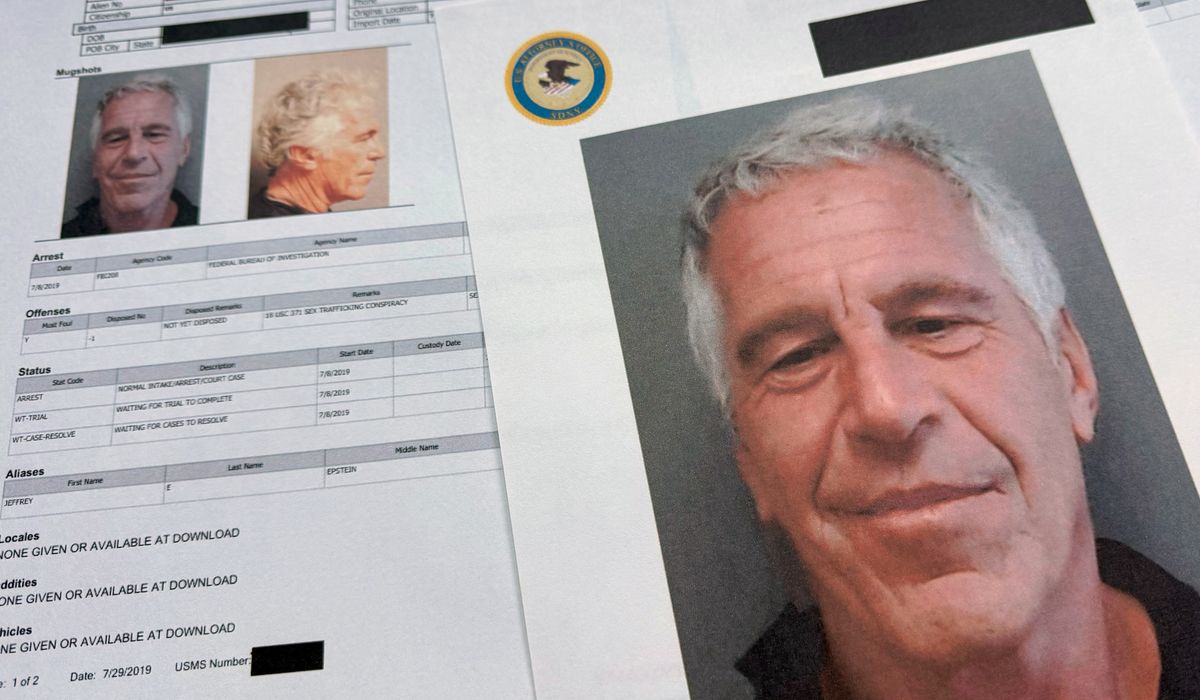
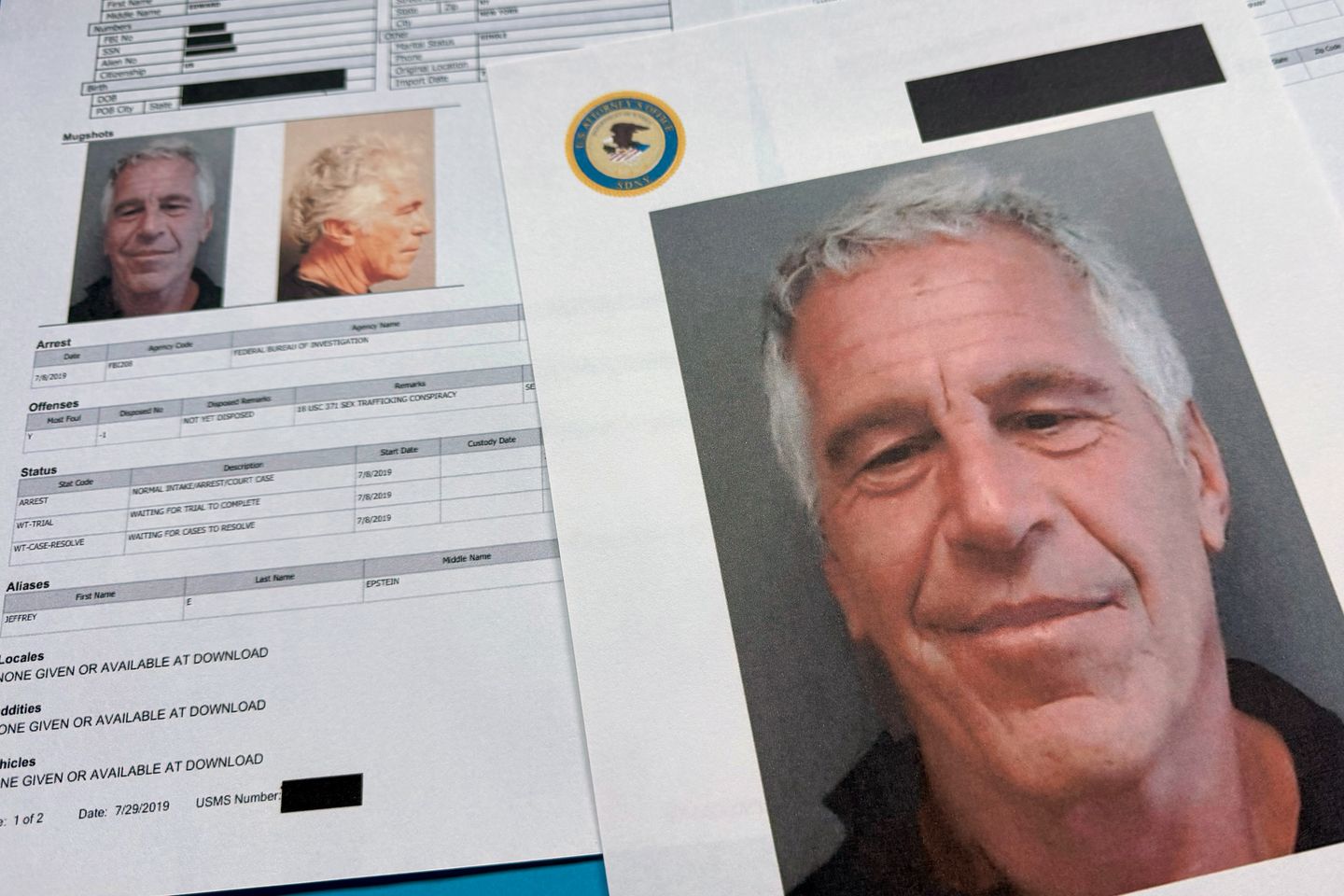
Rep. Thomas Massie is hoping to “capture lightning in a bottle twice” as the Kentucky Republican launches his second discharge petition on legislation to force government transparency about Jeffrey Epstein’s sex trafficking crimes.
Mr. Massie’s first effort led to the enactment of a bill requiring the Justice Department to release its Epstein case files.
The follow-up bill is designed to shake loose files the government still has not released and allow victims and state prosecutors access to unredacted versions.
“I never anticipated that the highest law enforcement officer in the land would not enforce the law once it became a law. That’s what this addresses. We try to dot the i’s and cross the t’s here,” Mr. Massie said in an interview with The Washington Times.
The Epstein Files Transparency Act II gives state attorneys general, Epstein’s victims and members of Congress standing to challenge the DOJ in court over aspects of the original law it has not followed.
Mr. Massie filed a discharge petition on the bill Monday night, which would force a House vote on the measure if 218 members sign it. The discharge petition process is how he got the original bill passed and enacted into law, despite resistance from the Trump administration at the time.
The motivation for the follow-up bill came after the state attorney general in New Mexico ran into opposition from the DOJ when trying to access unredacted files for an investigation related to potential sex crimes committed at Epstein’s Zorro Ranch, located south of Santa Fe.
“This is somewhat unprecedented that Todd Blanche is stonewalling a state attorney general, so this unambiguously gives the attorneys general in the various states the ability to prosecute these crimes by giving them unfettered access to the files,” Mr. Massie said.
New Mexico’s Attorney General Raul Torrez said in a July statement after the bill’s release that his office “has waited too long for the federal government to turn over the unredacted records we need to complete our criminal investigation.”
Mr. Massie said that Mr. Torrez and attorneys for Epstein’s victims helped draft the legislation.
The measure allows victims to obtain access to unredacted files involving their personal accounts of interactions with Epstein and his associates, such as FBI interview notes.
It also gives members of Congress standing to sue the DOJ for failing to release all of the files mandated under the original law.
“The Epstein Files Transparency Act says that the attorney general has to release documents that show their decisions about whether to prosecute and whether to investigate various individuals,” Mr. Massie said. “And not only have they not released any of those documents, memos, texts, or emails, they’ve asserted deliberative process privilege, which is a creation of the FOIA process. It has nothing to do with our law.”
Although Mr. Massie said the original law intended to protect against that excuse, he said the follow-up measure makes it crystal clear that the DOJ cannot assert deliberative process or any other common law privilege as a reason for withholding files.
He said the legislation also ensures that challenges against the DOJ can be brought in any federal court.
“The jurisdiction does not have to be the district court in Washington, D.C. The jurisdiction can be the state in which a congressman resides and represents, or a state in which the survivor resides or was a victim,” Mr. Massie said.
The path to 218 signatures on the discharge petition is much the same as the original measure.
Mr. Massie is again working with Democratic Rep. Ro Khanna of California, and they expect all Democrats to sign the discharge petition, including two who are set to be sworn in this week after winning August special elections to fill vacant seats in California and Georgia.
If all Democrats sign on, Mr. Massie would need only three other Republicans to do so.
It is not common for members of the majority party to sign discharge petitions because it can be seen as an affront to their leadership and as giving the minority party control of the floor.
Reps. Lauren Boebert of Colorado and Nancy Mace of South Carolina, and former Rep. Marjorie Taylor Greene of Georgia were the three Republicans who joined Mr. Massie and House Democrats on the successful discharge petition for the first Epstein Files Transparency Act.
Ms. Greene has said her decision to join that effort led to a breakdown in her relationship with President Trump, which contributed to her decision to resign from the House.
“I’m confident this bill is going to pass because if we don’t have three Republicans before the midterms, I think we will after in the lame-duck session,” Mr. Massie said. “And I also think that if the Democrats take the majority, that they will get to 218.”