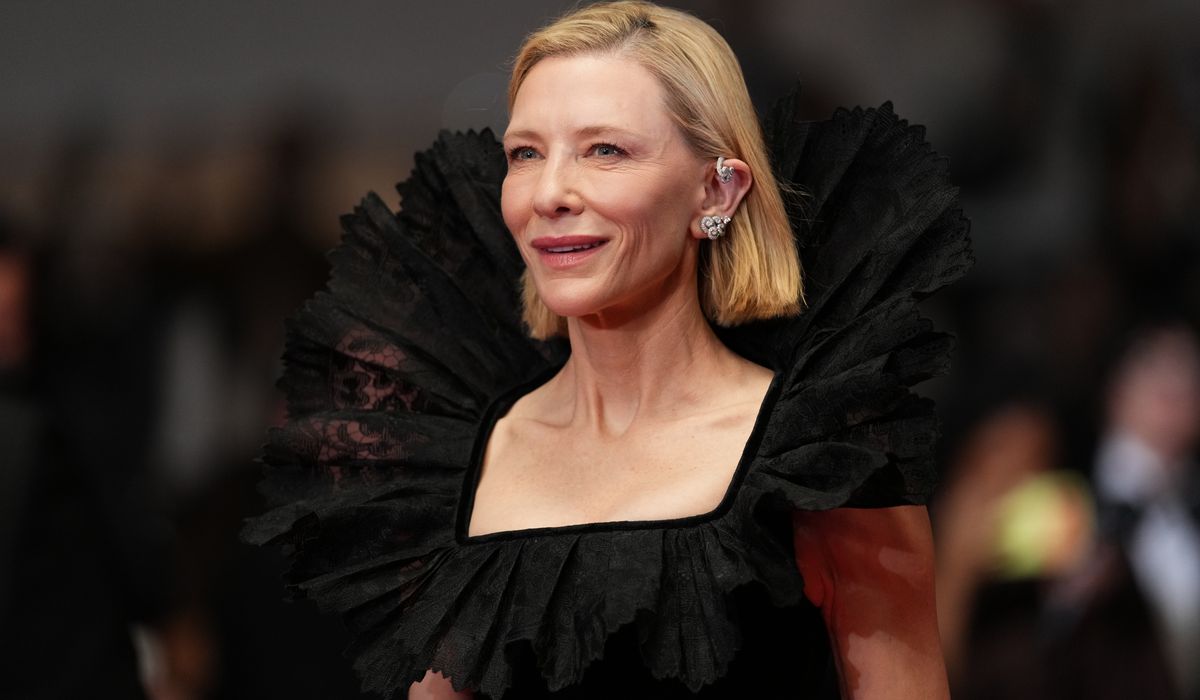
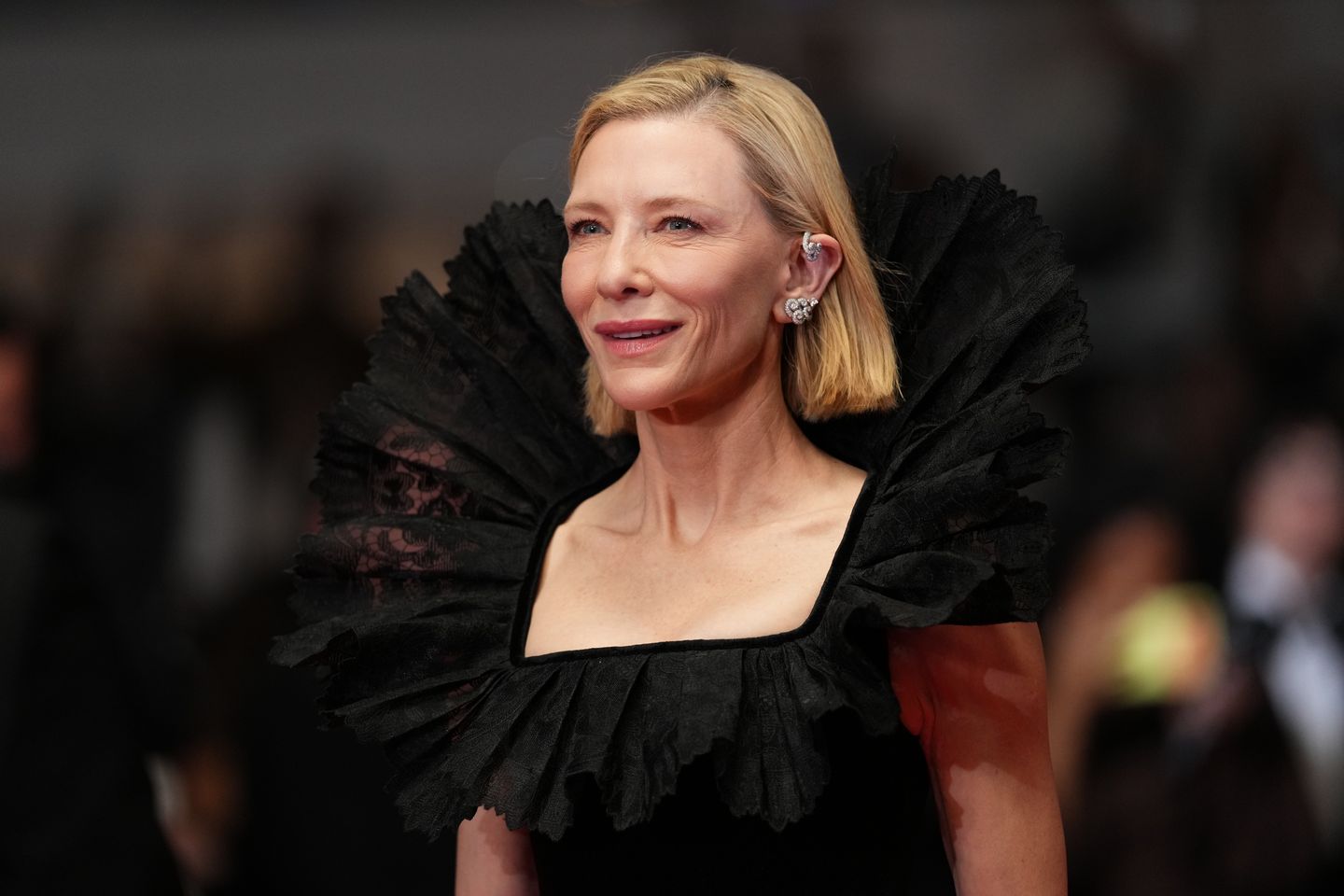
Cate Blanchett used a prominent platform at the Cannes Film Festival this week to lament the swift unraveling of the #MeToo movement, warning that a culture of silence continues to protect a “systemic layer of abuse” across Hollywood and beyond.
The two-time Oscar winner joined festival moderator Didier Allouch for a career-spanning conversation at the 79th annual Cannes Film Festival, where she expressed dismay at how the momentum of #MeToo had dissipated.
“It got killed very quickly, which I think is interesting,” Ms. Blanchett said, questioning why everyday people who spoke up were silenced while those with institutional power faced few consequences. “What it revealed is a systemic layer of abuse, not only in this industry but in all industries,” she said. “If you don’t identify a problem, you can’t solve the problem. You shut that conversation down. You can’t move on.”
The 57-year-old actress also pointed to persistent gender imbalances on modern film sets.
“I’m still on film sets, and I do the headcount every day. There’s 10 women, and there’s 75 men every morning,” Ms. Blanchett told the audience. “I love men, but what happens is the jokes become the same,” adding that stepping into a homogeneous workplace grows tiresome for everyone.
On an encouraging note, Ms. Blanchett said she was grateful that the heads of major film festivals around the world had pledged to increase representation. “It’s better for audiences when you don’t see the same old, same old,” she said.
Ms. Blanchett’s remarks carry particular resonance given her history at Cannes. When she served as jury president in 2018, she led a women’s march up the steps of the Palais des Festivals alongside Kristen Stewart, Lea Seydoux, Ava DuVernay, Agnes Varda and others, protesting the festival’s longstanding underrepresentation of female directors. She and 81 other women appeared on those steps symbolically — representing the total number of female directors selected for Cannes’ competition lineup since its inception, compared with 1,866 male directors over the same period.
Her comments echoed those of fellow Oscar winner Julianne Moore, who was honored with the Kering Women in Motion Award at a black-tie gala at the historic Place de la Castre on Sunday, during the festival. Ms. Moore argued that women’s stories are too often dismissed unless they fit traditionally male-coded narratives of strength or achievement, telling the Hollywood Reporter the audience, “There is a cultural assumption, particularly in the United States, that women’s stories are less interesting or smaller.”
Ms. Moore told Reuters that true gender equality remains “pretty far away, honestly, in lots of the world” and that the problem extends beyond Hollywood. “It’s not something that is endemic to the film industry. It’s something that’s a global issue,” she said.
The #MeToo movement traces its origins to activist Tarana Burke, who launched the concept in 2006 to support survivors of sexual violence. It became a viral phenomenon in October 2017 after the Harvey Weinstein sexual abuse allegations prompted actress Alyssa Milano to popularize the hashtag on social media.
This article was constructed with the assistance of artificial intelligence and published by a member of The Washington Times’ AI News Desk team. The contents of this report are based solely on The Washington Times’ original reporting, wire services, and/or other sources cited within the report. For more information, please read our AI policy or contact Steve Fink, Director of Artificial Intelligence, at sfink@washingtontimes.com
The Washington Times AI Ethics Newsroom Committee can be reached at aispotlight@washingtontimes.com.