President Trump and his team on Thursday awaited Iran’s response to a U.S. proposal to end the war and restart negotiations, a potential sign of progress even as the nations traded fire in the region and Wall Street pulled back from recent gains.
Iranian Foreign Ministry spokesman Esmaeil Baghaei told state media that authorities were still considering the proposal, the terms of which had not been made public, and would relay their response to Pakistani mediators when it is complete.
Pakistani Foreign Ministry spokesman Tahir Andrabi said he remained hopeful that the U.S. and Iran would strike a deal soon and that Tehran’s consideration of Washington’s latest proposal was a good sign.
“We hope the parties will reach a peaceful and sustainable solution that will contribute not only to peace in our region, but to international peace as well,” Mr. Andrabi said. “What I can tell you, and this is what I have stated before, is that we remain positive, we remain optimistic, and we hope the settlement will be soon rather than later.”
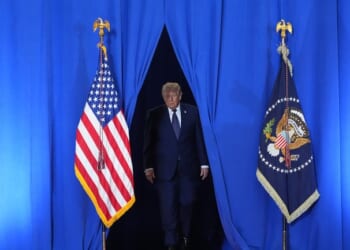
Mr. Trump met with Brazilian President Luiz Inacio Lula da Silva but did not address the press, as he had in recent days, to offer his view on negotiations.
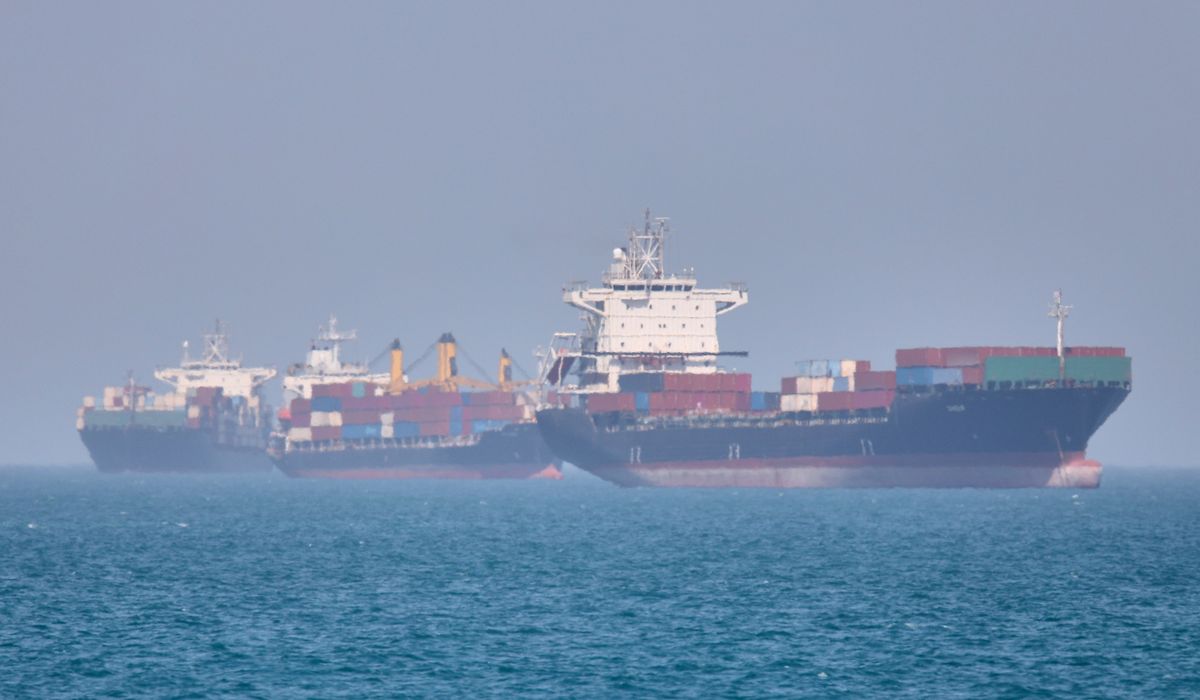
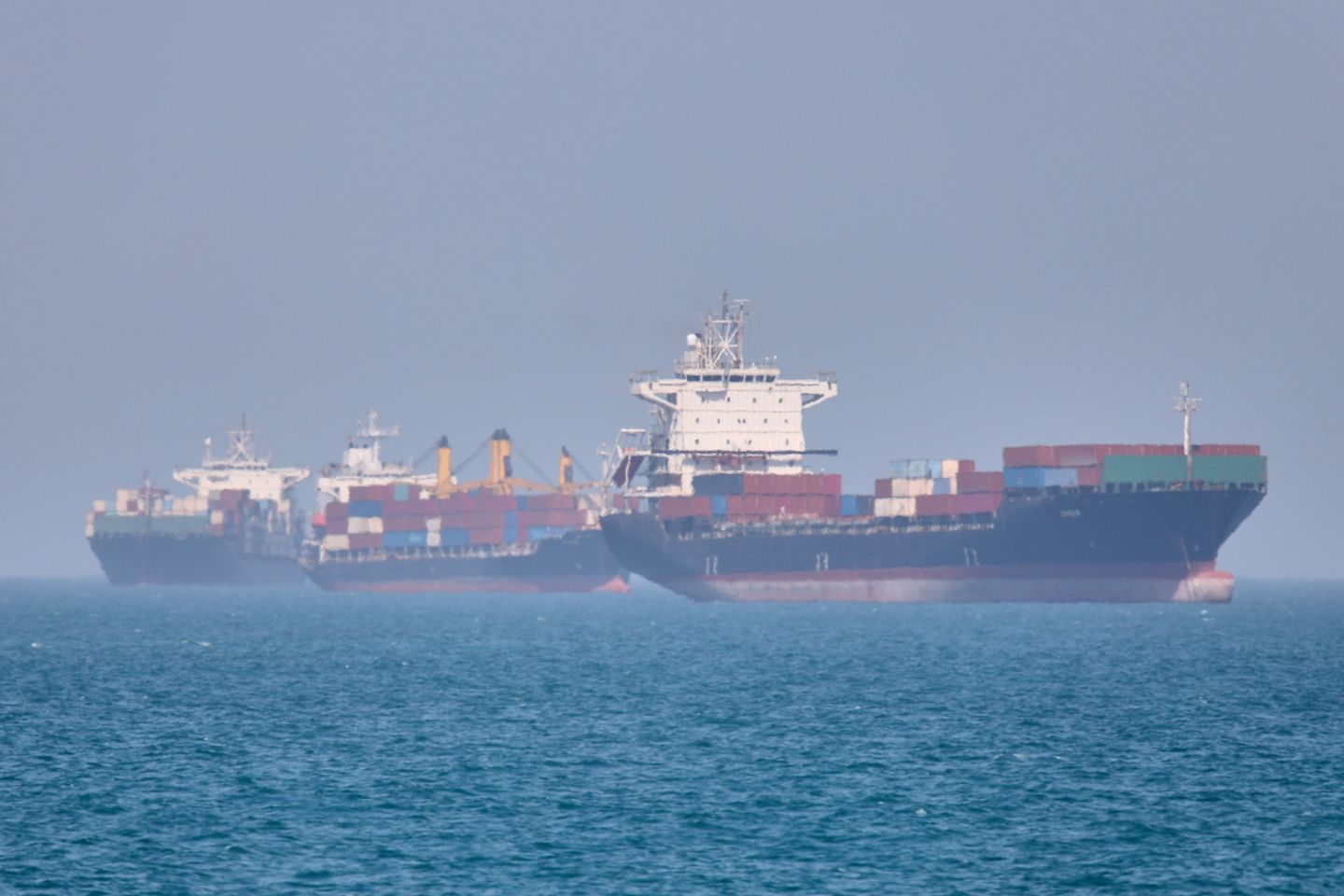
Some reports suggest the proposal could provide for a monthslong ceasefire during which both parties could engage in constructive diplomacy and the Strait of Hormuz would be open to commercial shipping.
Iranian Foreign Minister Abbas Araghchi spoke by phone with his Pakistani counterpart, Ishaq Dar, to discuss the status of diplomatic efforts and the “need to enhance constructive cooperation among regional countries.”
The developments marked an uptick in public diplomacy among the U.S., Iran and Pakistan as Washington pushes for an end to the 2-month-old conflict that has killed thousands and created an energy crisis.
Despite diplomatic progress, the U.S. military said its forces intercepted “unprovoked Iranian attacks and responded with self-defense strikes” as U.S. Navy guided-missile destroyers transited the Strait of Hormuz to the Gulf of Oman.
Iran used multiple missiles, drones and small boats to interfere with three U.S. ships, U.S. Central Command reported.
CENTCOM said it eliminated the inbound threats and targeted Iranian facilities responsible for the attacks.
“CENTCOM does not seek escalation but remains positioned and ready to protect American forces,” it said.
Iran, in turn, accused the U.S. of violating the ceasefire with attacks against Qeshm Island, signaling the fragility of the truce and ongoing talks.
The U.S. and Israel launched the war against Iran on Feb. 28 to further degrade Iran’s ability to enrich uranium, declaring that Tehran can never obtain a nuclear weapon.
Oil prices rose after Tehran struck oil-producing Persian Gulf nations and restricted traffic in the Strait of Hormuz, a critical energy chokepoint.
Markets cheered recent progress in talks but turned downward Thursday as investors awaited firmer signs of a deal.
The Dow Jones Industrial Average fell more than 300 points, and other major indexes ended in negative territory as oil prices rose slightly.
The price of Brent crude oil, an international benchmark, rose less than 1% to $101 per barrel.
Gasoline is refined from crude oil, so fluctuations in oil prices translate to pain or relief at the pump.
The national average price of a gallon of gas stood at $4.56 on Thursday, up from $4.30 a week ago and $3 per gallon at the start of the war, according to the AAA motor club.
Democrats on the Joint Economic Committee estimated that, because of a 53% increase in average oil prices, Americans have been forced to spend $25 billion more on gas since the war began.
Beyond energy markets, the iconic Whirlpool appliance company blamed a first-quarter revenue drop on a collapse in consumer confidence stemming from the Iran war.
“War in Iran resulted in recession-level industry decline in the U.S. as consumer confidence collapsed in late February and March,” the company said Thursday in an earnings presentation.
The comments suggested that some consumers may be pulling back on large household purchases, even as companies such as Disney say Americans continue to spend on travel and entertainment.
McDonald’s Chairman and CEO Chris Kempczinski said the fast food giant beat revenue expectations despite a challenging environment for consumer spending.
“It’s certainly not improving, and it may be getting a little bit worse,” Mr. Kempczinski said on an earnings call. “Our focus is on what we can control, and on that score I feel very good about the balance of the year.”
Democrats have tried to rein in Mr. Trump’s war powers through resolutions in Congress, though those efforts have failed to attract sufficient Republican support.
Instead, Democrats are highlighting the economic fallout and poor polling around the war.
On Thursday, the Democratic National Committee pointed to higher fertilizer prices from tariffs and supply-chain issues in the Middle East.
“Trump tanked the agricultural economy with his reckless trade war, causing family farms to go bankrupt at record levels, and now his deadly and costly war with Iran has caused prices on everything from diesel to fertilizer to skyrocket,” said DNC Deputy Executive Director Libby Schneider.
Mr. Trump says economic pain will be short-lived and worth the effort to prevent Iran from gaining a nuclear weapon.
He said European Commission President Ursula von der Leyen agreed with him during a phone call Thursday on the need to prevent a nuclear Iran.
“We agreed that a regime that kills its own people cannot control a bomb that can kill millions,” he wrote on Truth Social.
He feels the U.S. is in a strong position because Iran’s economy is being squeezed by a blockade on maritime ports.
The Treasury Department stepped up economic pressure on Iran by sanctioning Iraqi Deputy Oil Minister Ali Maarij Al-Bahadly.
The department accused him of diverting Iraqi oil to benefit a known Iran-affiliated smuggler and Iran-backed terrorist militias.
“Like a rogue gang, the Iranian regime is pillaging resources that rightfully belong to the Iraqi people,” Treasury Secretary Scott Bessent said. “Treasury will not stand idly by as Iran’s military exploits Iraqi oil to fund terrorism against the United States and our partners.”
Iran has maintained a defiant stance publicly in response to Mr. Trump’s threats and reports that Tehran has already agreed to U.S. demands.
Iranian parliamentary Speaker Mohammad Bagher Ghalibaf disputed reports claiming Iran agreed to end the war.
“Operation Trust Me Bro failed. Now back to routine with Operation Fauxios,” he wrote on X, mockingly referring to U.S. outlet Axios, which published a report that said the U.S. and Iran were closing in on a one-page memo to end the war.
Elsewhere, Israel announced it had killed a senior commander of the Iran-backed Hezbollah terrorist group in the suburbs of Beirut, Lebanon.
The killing could test a delicate Israel-Lebanon ceasefire that Washington negotiated in parallel with the Iran talks.
Israeli Prime Minister Benjamin Netanyahu said the commander likely thought he was immune because Israel declined to attack near Beirut in recent weeks.
“I say to our enemies in the clearest possible way: No terrorist has immunity,” Mr. Netanyahu said in a video message. “Anyone who threatens the state of Israel will pay the price.”