Iran on Wednesday sharply criticized the joint U.S.-Saudi airstrikes against its allied militias in Iraq, calling the attacks clear violations of international law as the Middle East crisis expands.
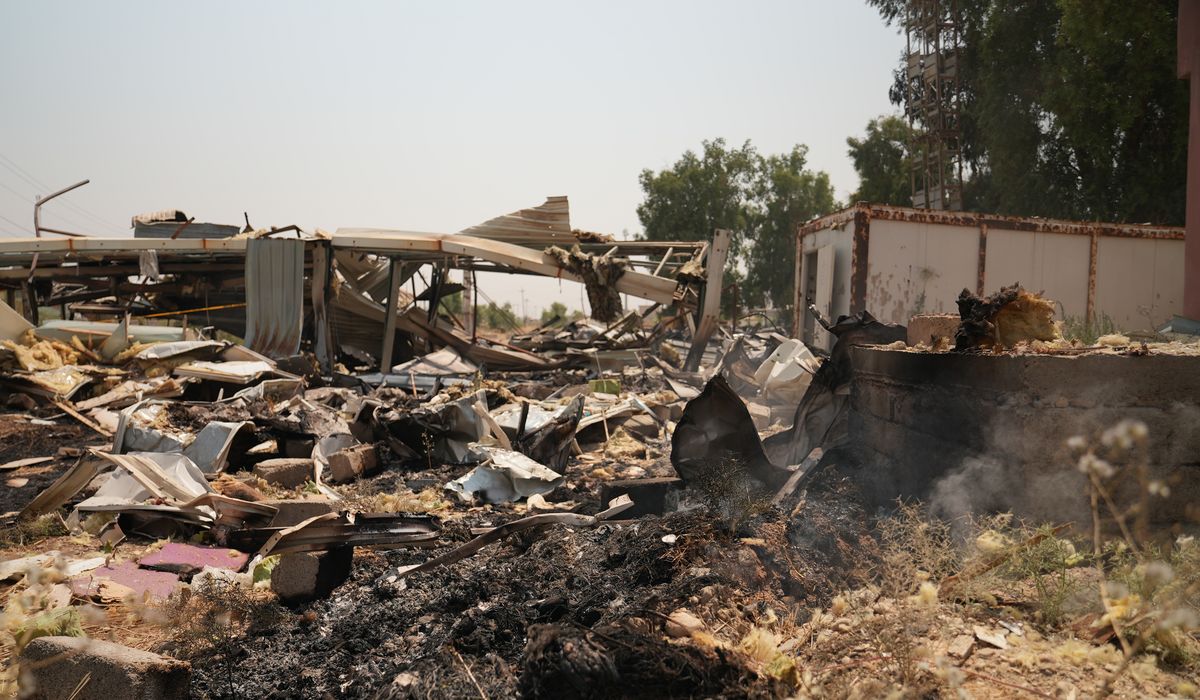
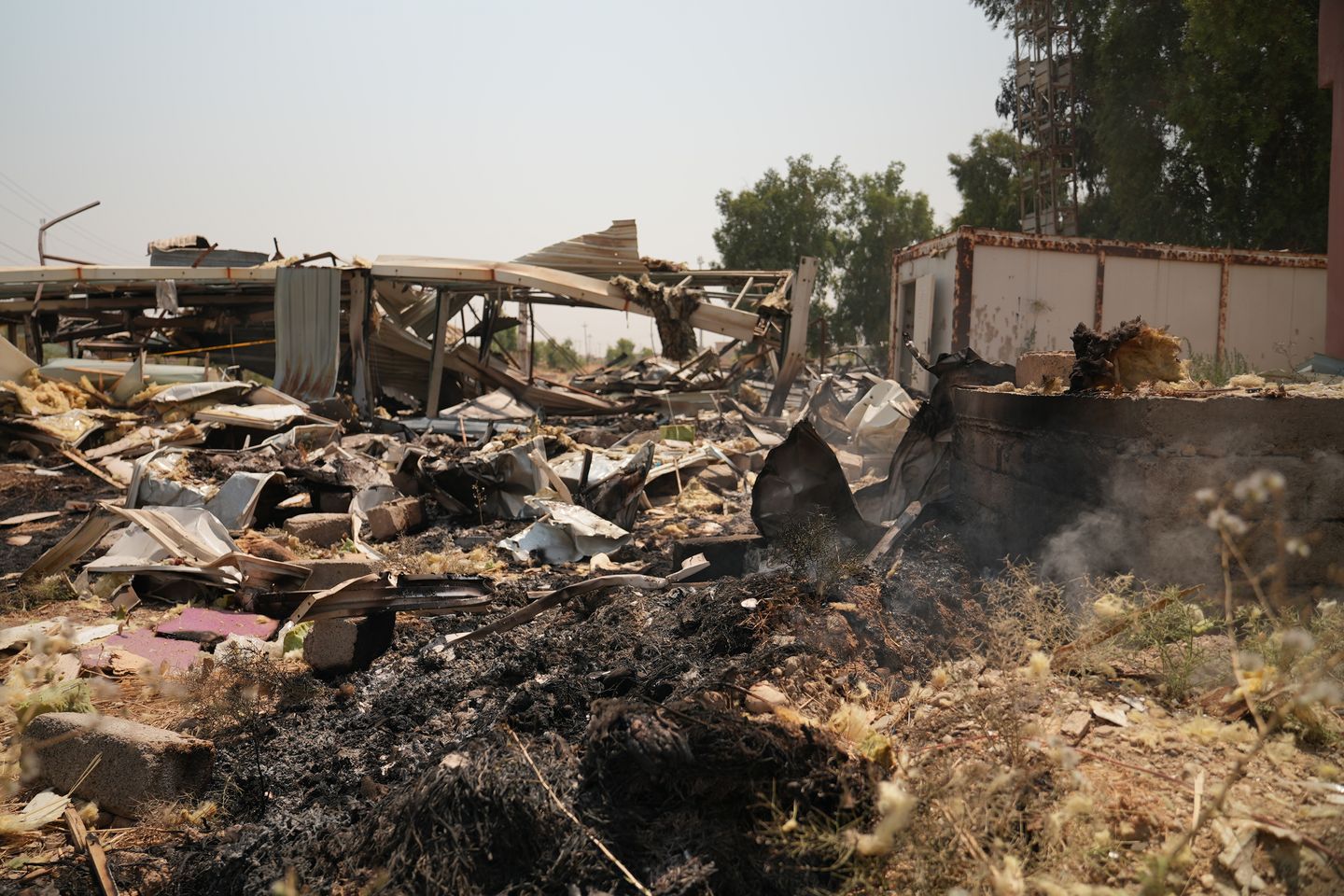
Iran’s Foreign Ministry said in a statement that the attacks violated Iraq’s territorial sovereignty and accused the U.S. and Israel of seeking to expand the war. The ministry said the strikes hit sites in the Iraqi city of Karbala, a Shiite pilgrimage destination.
Notably, Tehran refrained from naming Riyadh, Saudi Arabia, in its statement on the attacks, even after Saudi officials acknowledged a role in the operation — a sharp shift in the kingdom’s strategic approach.
Though Saudi Arabia has faced repeated strikes from Iran-backed forces since hostilities began in February, the kingdom had avoided public military retaliation.
The Iranian statement follows U.S.-Saudi strikes Tuesday in eastern Iraq where Iran-backed militia groups are believed to have launched drone attacks.
The attacks targeted Iraq’s Popular Mobilization Forces, a paramilitary organization of more than 60 armed Shiite groups. The PMF announced Wednesday that the strikes had killed at least 20 fighters and wounded 32.
The U.S.-Saudi attacks came in retaliation for an Iranian ballistic missile attack on American forces in Jordan.
U.S. Central Command, which oversees American military operations in the Middle East, said all missiles had been intercepted and there were no casualties.
The strikes by Iran, the U.S. and Saudi Arabia came after a period of relative calm in the war, as both sides sought to determine the shape of the conflict’s next phase.
President Trump last week paused the U.S.-led bombing campaign on Iran following 13 consecutive days of attacks.
While some had hoped the pause would speed diplomatic efforts by Pakistan and Qatar, the renewed attacks underscore the deep divisions separating Tehran and Washington.
The war, which began as a fight over regime change and limits on Iran’s nuclear program, has since narrowed to focus almost entirely on restoring the free flow of commercial shipping through international waterways.
Iran has maintained for months that the Strait of Hormuz will remain under its authority indefinitely and that ships seeking to pass through will have to pay fees and coordinate directly with its military.
The U.S., along with several other world leaders, has rejected Iranian control over the strait and has floated escort missions for commercial vessels attempting to traverse the waterway.
At least 20% of the world’s oil passes through the strait each year, and its closure has driven energy prices higher. Brent crude rose from roughly $83 a barrel Tuesday evening to nearly $89 a barrel by Wednesday morning.