Don’t miss the full story from our staff writers, whose reportage is the basis of this article.
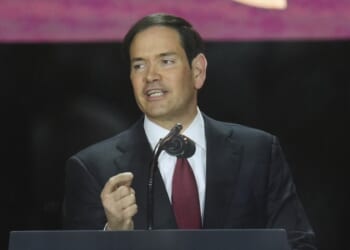
Energy Secretary Chris Wright acknowledged Sunday that gasoline prices may not fall below $3 a gallon until next year, walking back an earlier prediction he made just weeks ago that cheaper fuel was imminent.
Pressed on CNN’s “State of the Union,” Wright declined to offer a firm timeline for when drivers might see sub-$3 gas again. “I don’t know. That could happen later this year. That might not happen until next year,” he said. The admission stands in sharp contrast to a March 8 appearance on the same program, when Wright said sub-$3 gas was “not a months thing” and “in the worst case, this is a weeks thing.”
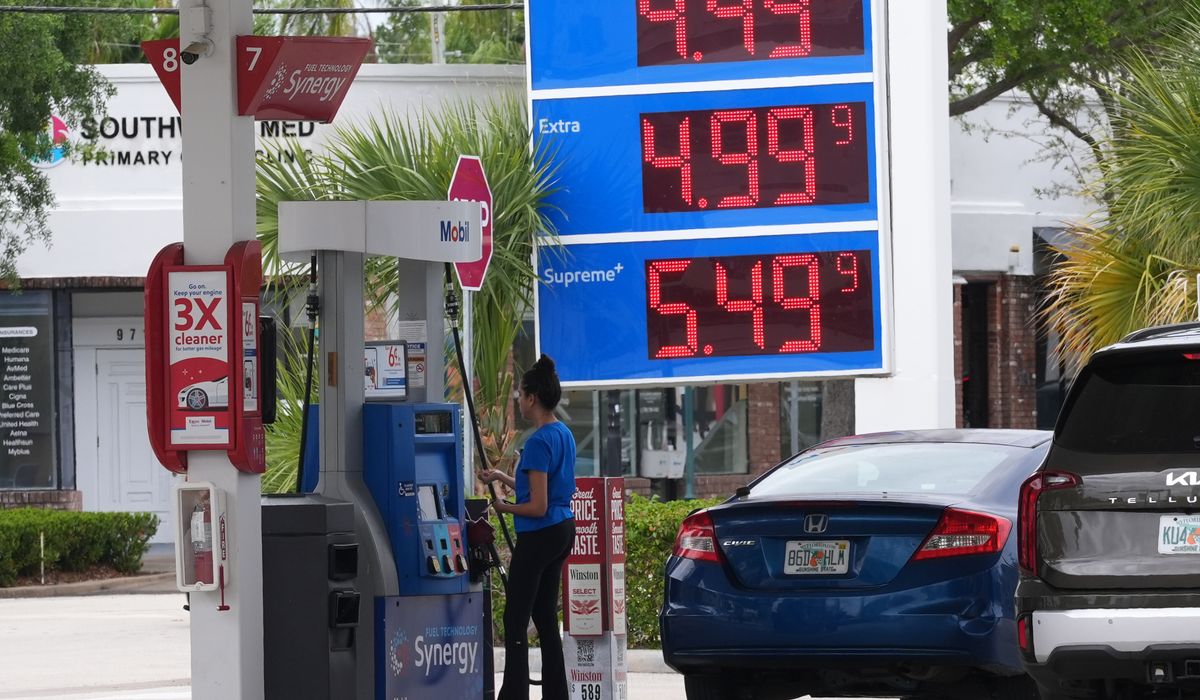
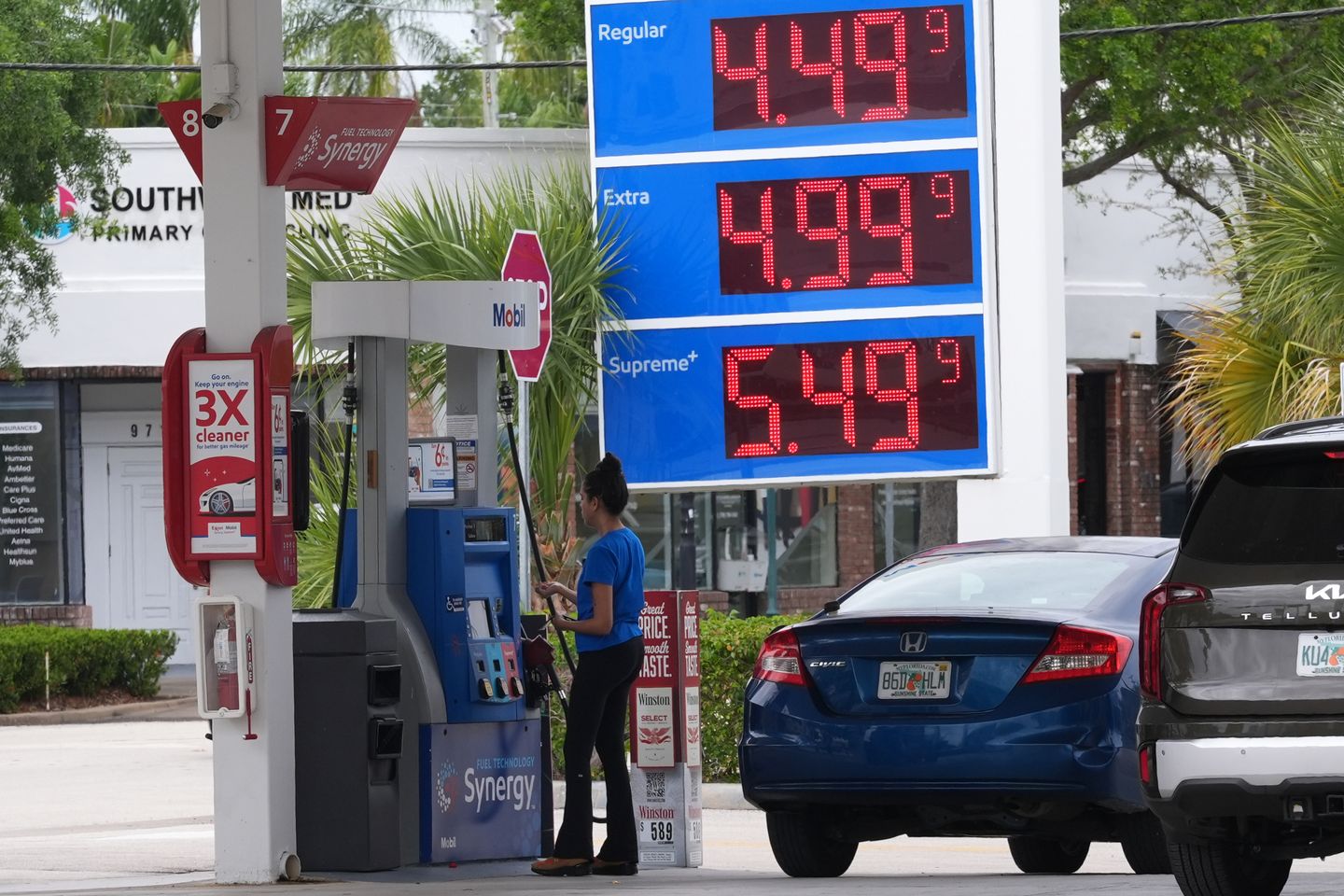
Gasoline prices have surged more than a dollar a gallon amid the U.S.-Israeli military campaign against Iran. The national average for regular unleaded now sits at $4.048, up from below $3 in December, according to AAA. The Strait of Hormuz — a critical chokepoint for global oil shipments — remains closed, with Wright saying Iranian gunboats have been firing on tankers attempting to pass. He suggested the strait could reopen within weeks if a deal with Iran is reached. “Certainly, with a resolution of this conflict, you will see prices go down,” he said.
The reversal creates a political headache for Republicans who had been pointing to falling gas prices as evidence that President Trump’s economic agenda was delivering results ahead of the midterm elections. In December, the national average dipped below $3 for the first time in four years, driven by weak demand, cheaper winter-blend fuel, and crude oil around $60 a barrel. The National Republican Congressional Committee celebrated the milestone at the time, crediting Trump and Republicans for lowering costs.
Higher fuel prices ripple broadly through the economy, driving up the cost of groceries, airline tickets, utilities, and goods transported by truck, ship, or plane. Manufacturers face higher costs for petroleum-based plastics and chemicals, while construction expenses climb with pricier asphalt and roofing materials.
A new NBC News Decision Desk poll found nearly two-thirds of Americans say rising fuel costs have been a problem for their household, with 29% calling it a serious one. Just 32% approve of Trump’s handling of inflation and the cost of living. Democrats have sought to capitalize on voter frustration, with the Democratic National Committee’s rapid response director arguing that working families “can’t afford to wait any longer for prices to come down.”
This article was constructed with the assistance of artificial intelligence and published by a member of The Washington Times’ AI News Desk team. The contents of this report are based solely on The Washington Times’ original reporting, wire services, and/or other sources cited within the report. For more information, please read our AI policy or contact Steve Fink, Director of Artificial Intelligence, at sfink@washingtontimes.com
The Washington Times AI Ethics Newsroom Committee can be reached at aispotlight@washingtontimes.com.