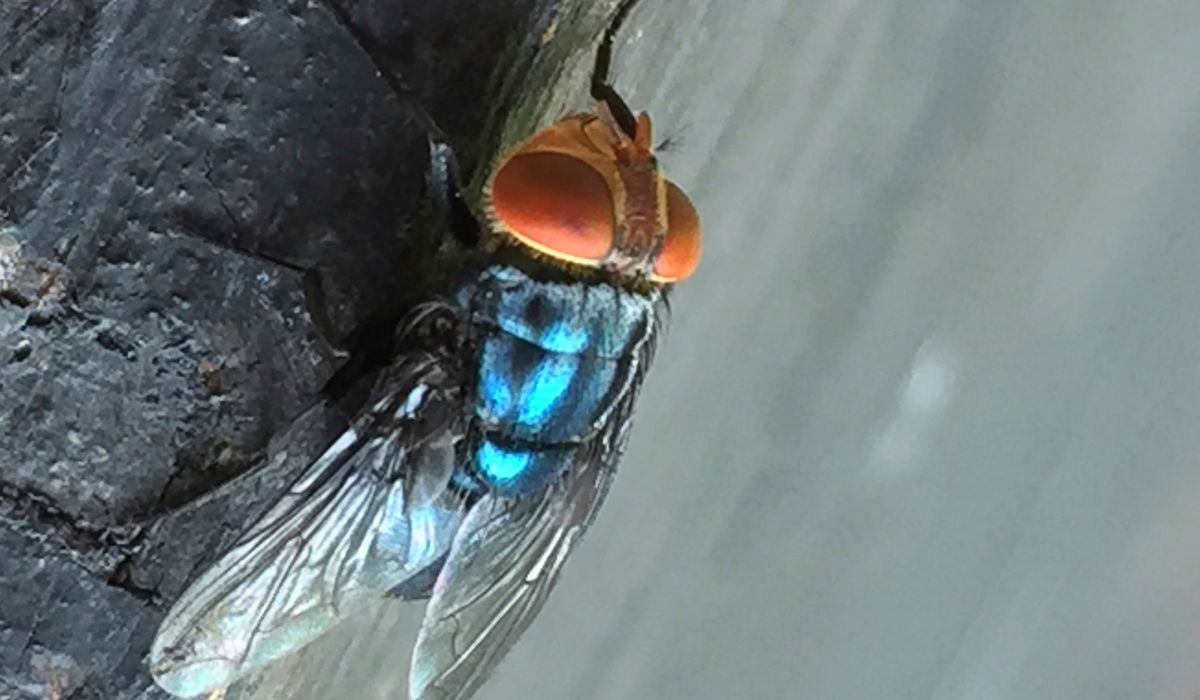
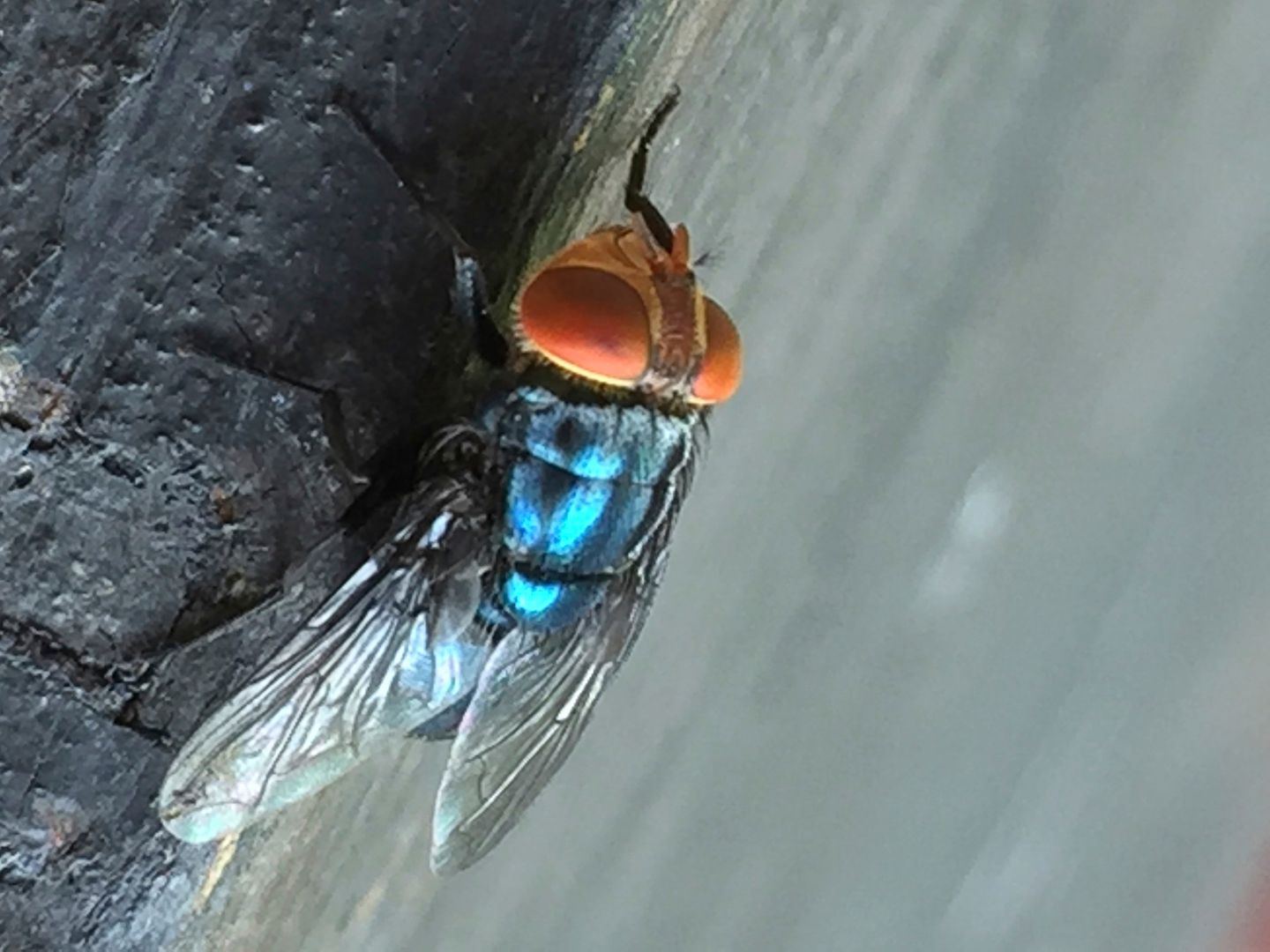
Federal and state officials confirmed Wednesday that the New World screwworm — a parasitic fly whose larvae burrow into the living tissue of warm-blooded animals — has been detected in a 3-week-old calf in Zavala County, Texas, marking the first confirmed case in U.S. livestock in decades.
The U.S. Department of Agriculture’s Animal and Plant Health Inspection Service said larvae were identified in the calf’s umbilical area and that, as of the announcement, there had been no further detections.
The USDA tested a sample from La Pryor in Zavala County at its National Veterinary Services Laboratories in Ames, Iowa, before Secretary of Agriculture Brooke Rollins confirmed the infestation at a press conference.
“Protecting our livestock industry is a national security issue of the utmost importance, and USDA is wasting no time in taking action,” said Dudley Hoskins, undersecretary for marketing and regulatory programs at the USDA, in a press statement from APHIS.
Officials established a 12.5-mile infested zone around the detection area and announced quarantines, movement controls and additional surveillance. They also said they would expedite targeted ground releases of sterile New World screwworm flies — a method used successfully to halt the 2016 outbreak in the Florida Keys — in addition to the 4 million sterile flies per week already being released by air in the region. The USDA confirmed it formed a unified Incident Command Team with the Texas Animal Health Commission and deployed personnel to the area.
The name “screwworm” refers to the way maggots screw themselves into animal tissue using sharp mouth hooks, causing extensive damage that often proves fatal to livestock. Human infections are rare, and U.S. health officials have previously noted the public health risk is very low. Earlier on Wednesday, Ms. Rollins told Americans the food supply remained “100% safe.”
A screwworm infestation spreading into the United States could cause an estimated $2.1 billion loss to the cattle industry and a $9 billion loss to hunting and wildlife industries in Texas alone. The potential arrival comes as the U.S. cattle herd is already at its lowest level in 75 years.
Screwworm was largely eradicated in U.S. livestock in 1966 through a sterile fly release program, though isolated outbreaks occurred in the American Southwest in the 1970s and in the Florida Keys in 2016. Since 2023, the fly has been spreading north of the Panama Canal and was detected in Mexico last year, prompting a temporary USDA suspension of livestock imports from that country.
The confirmed Texas case came one day after screwworm was detected in Mexico just 25 miles from the U.S. border — the closest the pest had come to U.S. soil since at least last September, according to USDA data cited by CBS News.
On Dec. 4, the Food and Drug Administration granted conditional approval to Exzolt Cattle-CA1, a topical pour-on solution produced by Merck Animal Health, a division of Merck & Co., used to prevent and treat New World screwworm infestations.
This article was constructed with the assistance of artificial intelligence and published by a member of The Washington Times’ AI News Desk team. The contents of this report are based solely on The Washington Times’ original reporting, wire services, and/or other sources cited within the report. For more information, please read our AI policy or contact Steve Fink, Director of Artificial Intelligence, at sfink@washingtontimes.com
The Washington Times AI Ethics Newsroom Committee can be reached at aispotlight@washingtontimes.com.