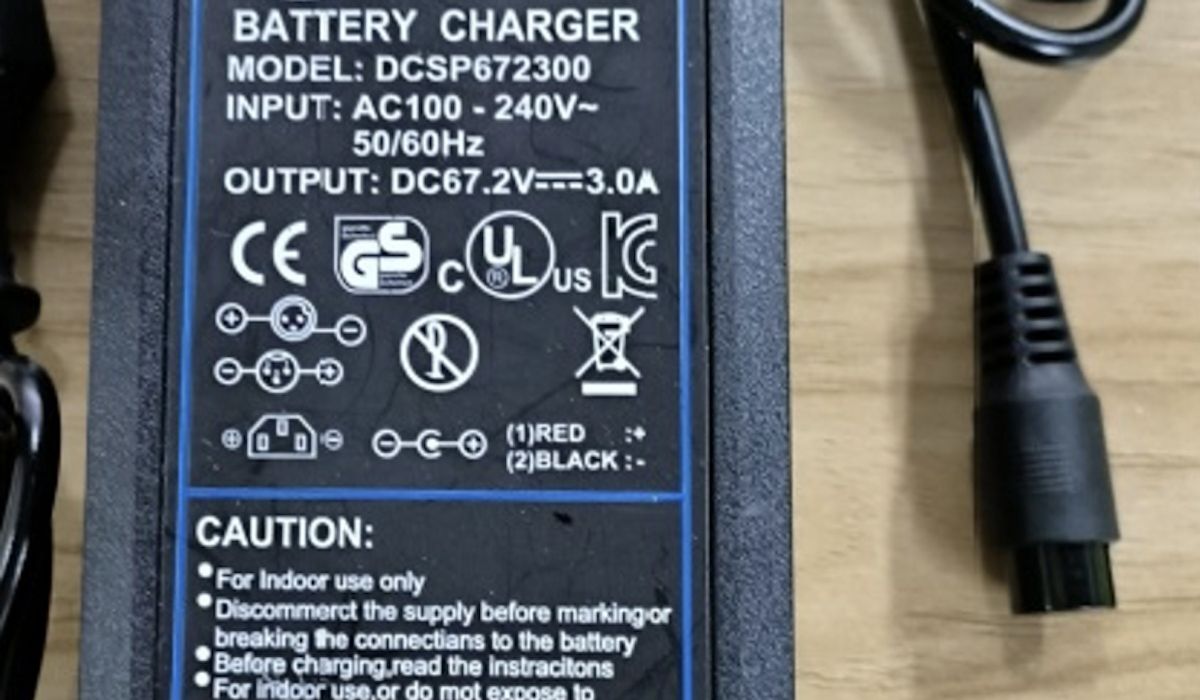
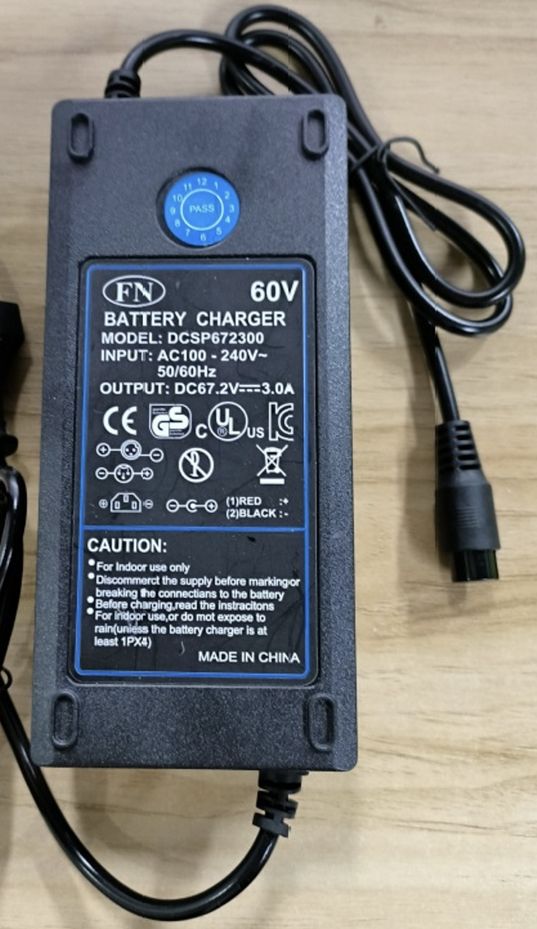
The federal government is gearing up for a crackdown on fake safety labels and counterfeit certification marks that it says are used to sell dangerous foreign-made products in the U.S.
The U.S. Consumer Product Safety Commission’s Wednesday announcement targets counterfeit certification marks used to bypass U.S. safety requirements, facilitating the entry of noncompliant or hazardous products into commerce that mislead consumers.
Under federal law, it’s illegal to sell, distribute, or import consumer products bearing counterfeit certification marks.
“Fake safety labels are being used to push dangerous products into American homes while evading U.S. law and undercutting honest businesses,” the commission’s acting chair, Peter Feldman, said in a statement. “We will hold accountable those who cheat the system and put American families at risk.”
It’s estimated that up to 25% of accredited certificates in circulation are counterfeit, and industry experts gauge an additional 20% to 25% of unaccredited fake certificates are in the market, according to the International Accreditation Forum.
Misrepresenting certification, which may involve coordinated or cross-border activity, raises concerns of fraud, conspiracy or other violations of federal law.
The commission, which aims to mitigate consumer risks of injury, put a particular emphasis on imports from and manufacturers operating out of China.
Over 80% of counterfeit products seized at U.S. borders in 2019 originated from China or Hong Kong, leading to recent crackdowns on foreign testing labs supplying fake labels.
Earlier this year, the commission identified unreliable and falsified test results from four China-based testing laboratories and withdrew their accreditation.
The commission is now seeking public input from businesses, consumer groups and testing laboratories via the Federal Register to better identify risks and evaluate whether additional enforcement, policy or regulatory actions are warranted. It’s also looking to assess the financial impact of the unauthorized use of counterfeit certification marks on manufacturers, importers, testing laboratories and consumers.
Additionally, the commission said it’s examining whether counterfeit safety labels are part of broader schemes that include falsified testing and deceptive import practices designed to bypass U.S. consumer product safety requirements.