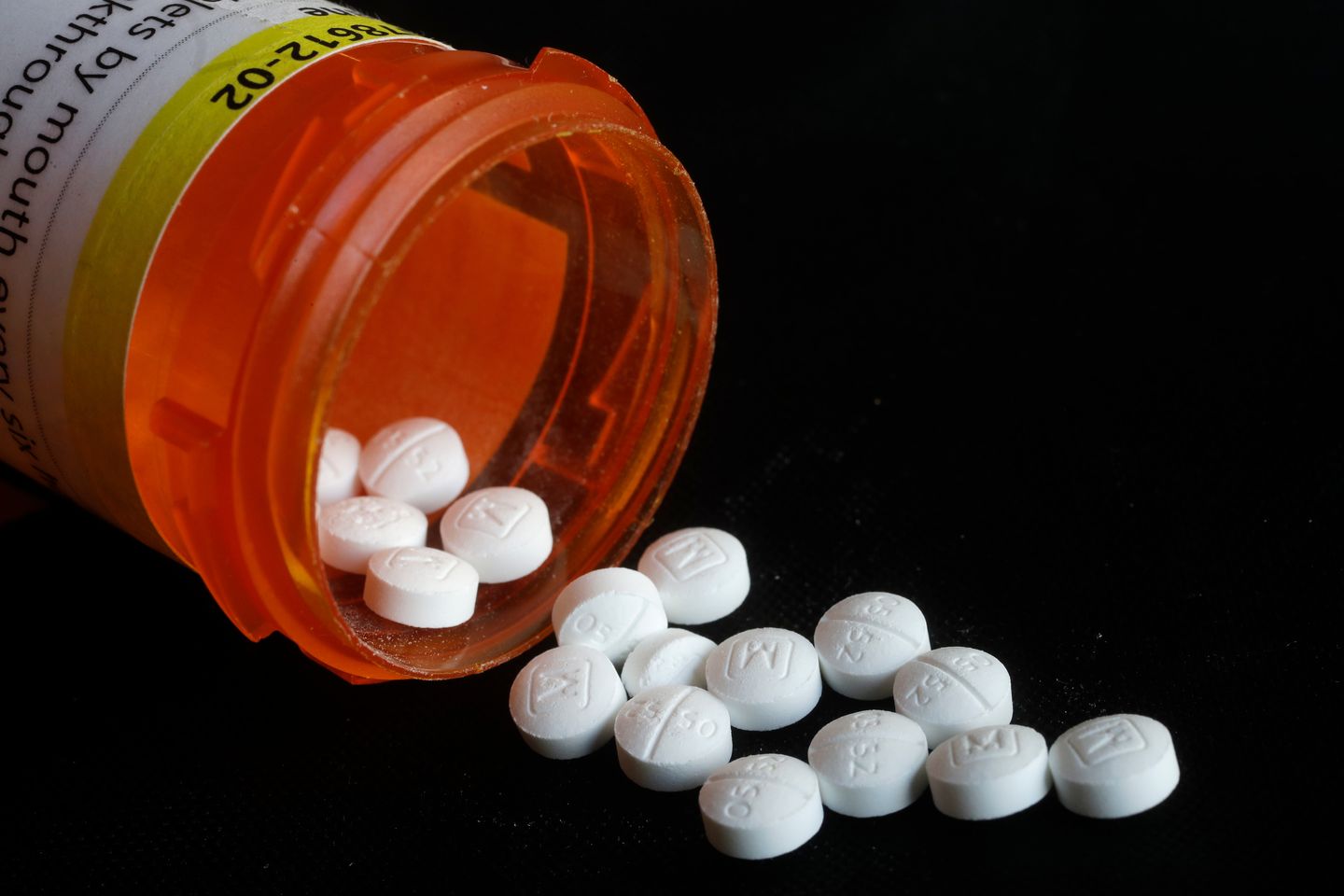
Opioid manufacturer Purdue Pharma LP was sentenced in federal court in Newark, New Jersey, and ordered to pay more than $5 billion in criminal penalties for its role in fueling the nation’s opioid epidemic, the Justice Department announced.
The sentence includes a criminal fine of $3.544 billion — to be assessed through bankruptcy proceedings — and an additional $2 billion in criminal forfeiture. The department will credit up to $1.775 billion against the forfeiture amount based on the value provided to governments through Purdue’s bankruptcy if the company ceases to operate in its current form and emerges as a public benefit company or similar entity. Proceeds would be directed toward state and local opioid abatement programs. Purdue is also required to maintain a public document repository related to the criminal charges.
“Purdue Pharma put profits over patient health and safety,” Acting Attorney General Todd Blanche said in a statement, adding that the company “willfully rejected the law and ignored the diversion of their highly addictive prescription drugs.”
According to court documents, between 2007 and 2017, Purdue illegally marketed its opioid products to hundreds of prescribers it had reason to believe were prescribing the drugs without a legitimate medical purpose. The company also defrauded the Drug Enforcement Administration by misrepresenting the effectiveness of its anti-diversion programs and used prescriptions from those providers to support fraudulent requests to increase manufacturing quotas. Purdue additionally paid kickbacks to physicians through a speaker program and to an electronic health records platform to drive higher prescribing volumes.
On Nov. 24, 2020, Purdue pleaded guilty to a three-count felony information charging it with one count of a dual-object conspiracy to defraud the United States and to violate the Food, Drug, and Cosmetic Act, and two counts of conspiracy to violate the Federal Anti-Kickback Statute.
FBI Director Kash Patel said Purdue “complicitly contributed to this national epidemic in the name of their own greed by blatantly ignoring the health and safety of patients.” DEA Administrator Terrance Cole said the company’s conduct “fueled a surge in addiction” and that “the prescription opioid epidemic directly paved the way for today’s fentanyl crisis.”
Assistant Attorney General A. Tysen Duva of the Justice Department’s Criminal Division called the case “one of the most important corporate enforcement cases ever brought by the Department of Justice,” adding that companies placing illicit profits over legal obligations “will be investigated and prosecuted.”
The FBI’s Washington Field Office investigated the case with assistance from the Department of Health and Human Services Office of Inspector General and the DEA.
This article was constructed with the assistance of artificial intelligence and published by a member of The Washington Times’ AI News Desk team. The contents of this report are based solely on The Washington Times’ original reporting, wire services, and/or other sources cited within the report. For more information, please read our AI policy or contact Steve Fink, Director of Artificial Intelligence, at sfink@washingtontimes.com
The Washington Times AI Ethics Newsroom Committee can be reached at aispotlight@washingtontimes.com.