The Ebola outbreak taking place in Africa will soon grow into a crisis the world cannot ignore, a former director of the U.S. Centers for Disease Control and Prevention claimed.
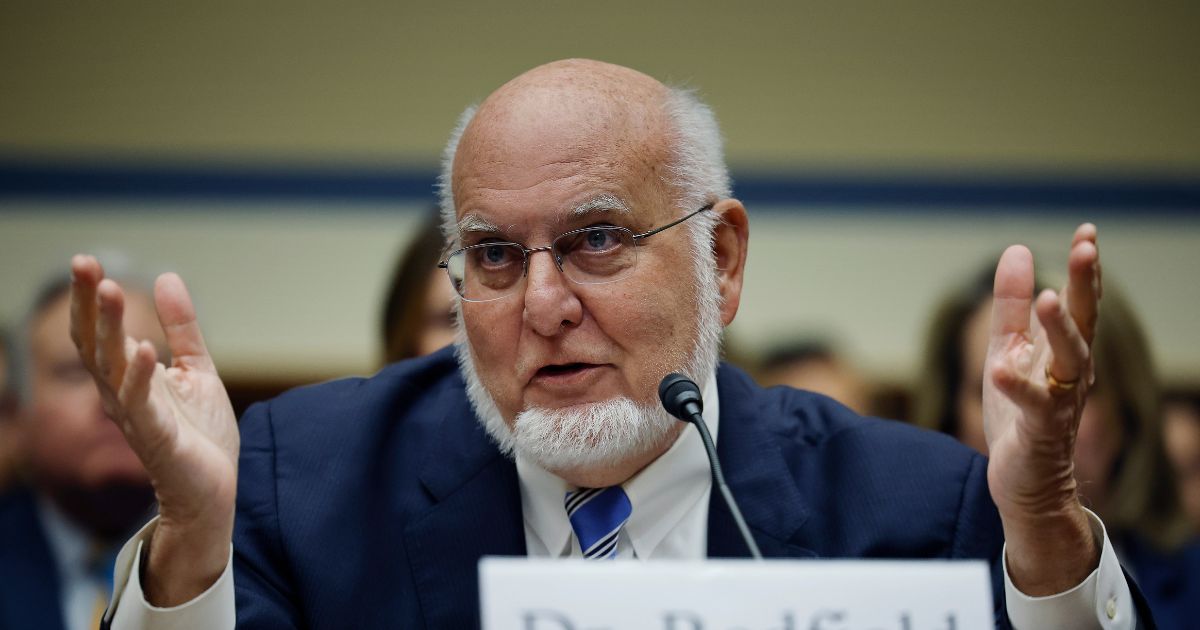
Robert Redfield offered his opinions on NewsNation.
“I suspect this is going to become a very significant pandemic, probably going to leak into Tanzania, leak into southern Sudan, maybe leak into Rwanda,” he said.
“So, it’s going to be very disruptive,” he added.
Redfield said the outbreak accelerated quicker than most.
“This is an outbreak right now that is really a significant outbreak that’s of significant public health international concern, partially because what you said, it wasn’t recognized very quickly,” he said.
“I’m not sure why. Normally when we have these Ebola outbreaks, and I had three of them when I was CDC director, all of which were in the DRC, normally we recognize them when we have five, 10 cases, you know, at most,” he said, referring to the Democratic Republic of the Congo.
“This one really wasn’t picked up until there was over 100 cases. As you said, now there’s over 500 cases. There’s close to 150 deaths already, and it’s moving very rapidly,” he said.
He said the outbreak has already spread into Uganda and would likely spread to South Sudan.
“This is going to be a significant, significant, Ebola outbreak,” he added.
According to the CDC, about 134 people have died to date in the Congo and Uganda, with more than 500 suspected cases, according to The Hill.
The current outbreak is the 17th in the past 50 years, according to the CDC.
The State Department on Thursday issued an order requiring American citizens and lawful permanent residents who have been in the Congo, Uganda, or South Sudan to undergo “enhanced public health screening” within 21 days of their arrival back in the United States.
Dr. Neil Vora, an epidemiologist who formerly worked for the CDC, called the outbreak “a very serious situation,” according to The Hill.
“The good news is that there’s a lot of experience in the Congo and in neighboring countries with fighting Ebola outbreaks,” he said. “A lot of partners are mobilizing, and robust public health measures in the past have been very successful in stopping outbreaks.”
However, he cautioned, stopping the outbreak will not happen overnight.
“This outbreak will get worse before it gets better. It’s an extremely precarious situation, but I’m confident that with application of good public health measures, over time this will come under control,” he said.
Advertise with The Western Journal and reach millions of highly engaged readers, while supporting our work. Advertise Today.