A 2024 study found 48% of younger generations will opt for the spicier version of a dish, given the choice. At the same time, the chili oil market is growing, valued at $12.25 billion in 2025. Chili oil and chili crisp feel more relevant than ever today, evolving beyond their traditional forms through new variations and applications that continue to redefine how they are enjoyed.
A tingly, layered burst of heat and flavor is how many describe the experience of eating chili oil and chili crisp. These condiments date back centuries, with one of the earliest known recipes for chili crisp appearing in a 234-year-old Chinese culinary text.
Chili oil versus chili crisp
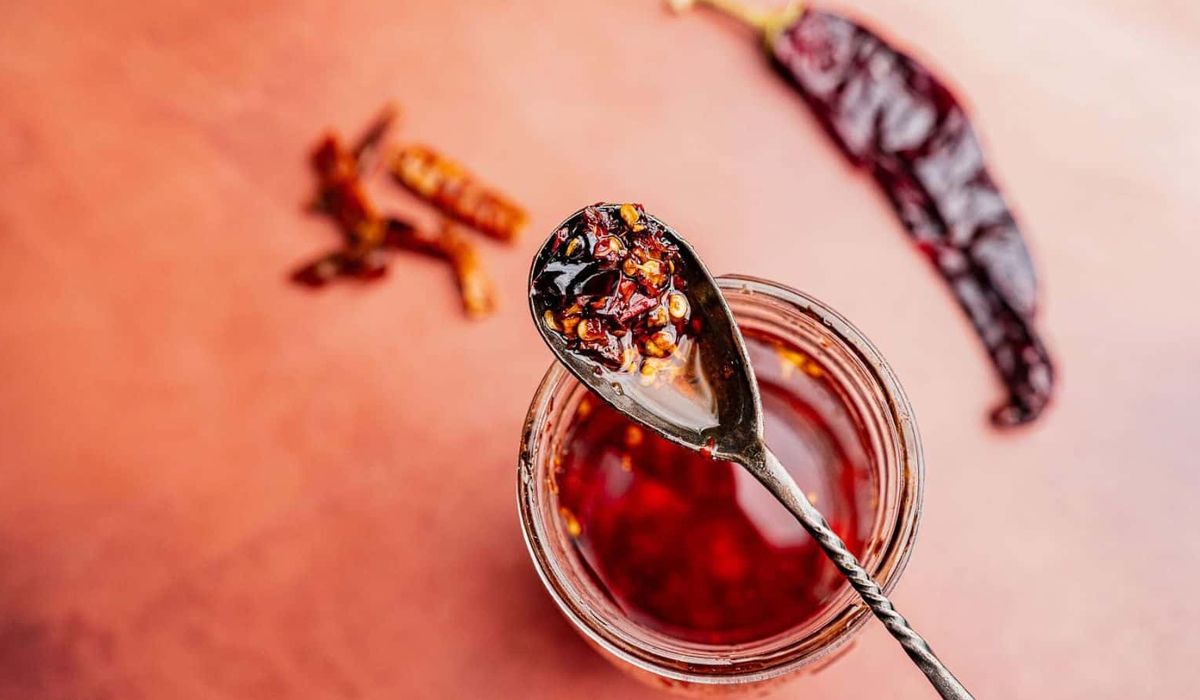
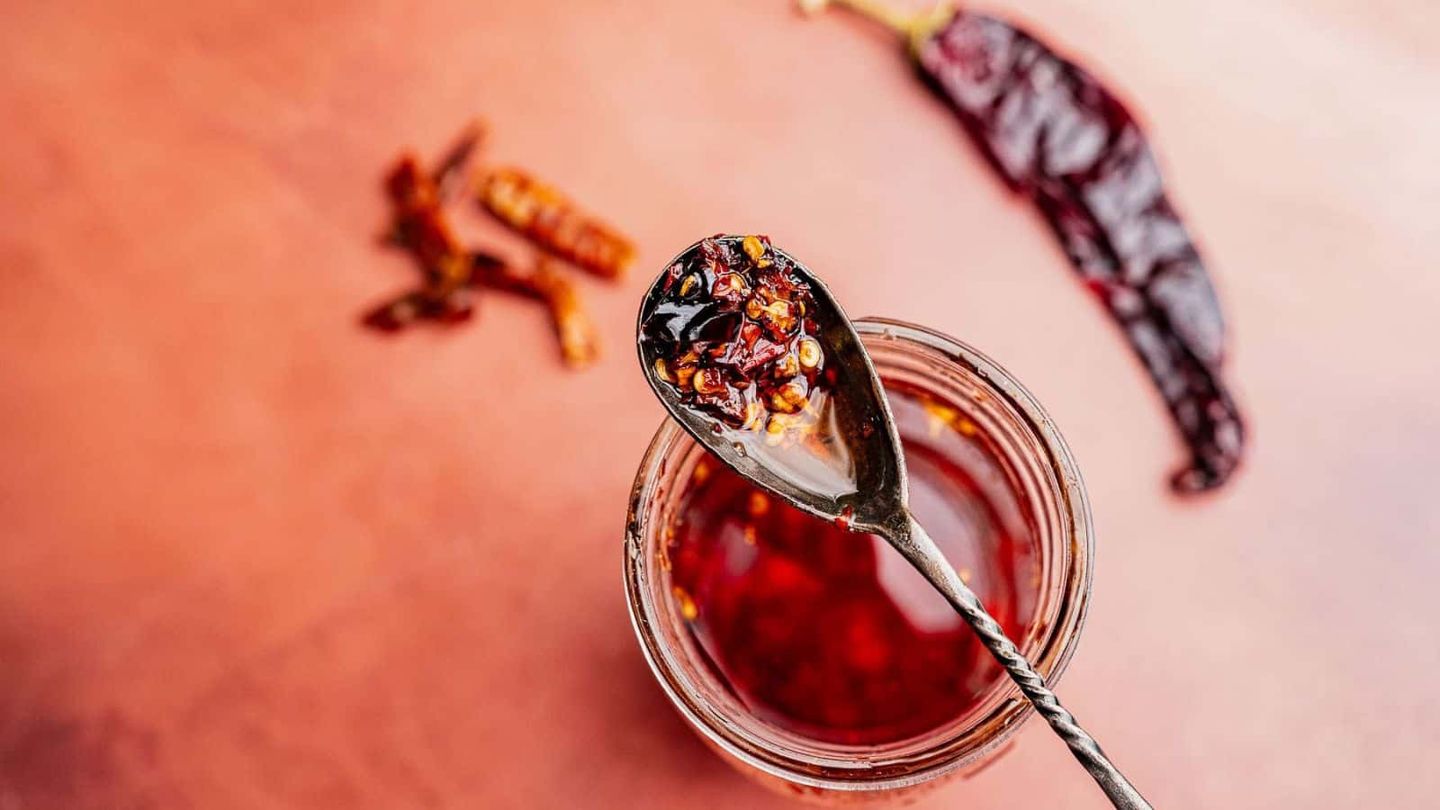
Both condiments begin with the same foundation: hot oil poured over dried chilies and aromatics to release a deep, fragrant heat. Chili oil leans into that infusion, resulting in a smooth, pourable consistency that’s ideal for drizzling over noodles, dumplings and soups.
Chili crisp builds on this base by adding a defining textural element. Alongside the oil are crunchy bits, like fried garlic, shallots and peanuts, that create a more layered sensation of heat, aroma and crunch. With roots tracing back centuries in Chinese culinary tradition, according to National Geographic, the condiment has since evolved into a widely produced and globally popular staple.
The desire for something fiery
The popularity of chili oil and chili crisp reflects a broader interest in bold, spicy flavors. Heat is no longer a niche preference but an expectation, showing up across grocery shelves and restaurant menus. Data from Rubix Foods shows 66% of Gen Z consumers are more likely to purchase an item if it’s marketed as spicy, while nearly half say they would choose a spicier version over the original.
Much of this shift is driven by younger consumers, who bring both a higher tolerance for heat and a curiosity for global cuisines. At the same time, increased travel, immigration and the influence of social media have heightened exposure to food cultures, in which spice plays a leading role. From schug to Tabasco to chili oil and crisp, these condiments bring a fiery angle to dishes that make eating and cooking exciting again.
Why people can’t get enough of it
Spicy foods may be trending, but chili oil and chili crisp are clearly more than just a passing fad. Their appeal lies in complexity: fiery heat balanced with deep umami, aromatic spices and a hint of sweetness. These layered flavors create an almost addictive taste, even for those who don’t normally seek out spice.
Once used mainly for dipping dumplings or noodles, these condiments have found new life far beyond Chinese cuisine. Home cooks drizzle chili oil and chili crisp over fried eggs and sourdough, spread the spicy mixture onto burgers or use it to turn air fryer pizza into a gourmet meal. They’ve made their way into marinades for grilled meats and seafood, bright vinaigrettes and inventive cocktails. This versatility is what has kept chili oil and chili crisp recipes alive for centuries, with each generation adding its own creative spin.
The rise of functional and health-conscious options
While the staying power of chili oil and chili crisp relates to their flavor, their perceived functional benefits have also contributed to their fame. Research highlighted by the American Heart Association suggests that consuming chili peppers may be linked to longer life and a significantly reduced risk of cardiovascular disease and certain cancers. Growing awareness of these potential health benefits is driving demand.
Interest in health-conscious, functional condiments is changing how these products are made. Consumers want higher-quality oils, such as cold-pressed avocado or olive oil, along with cleaner ingredient lists free of artificial preservatives and excessive sodium. A new wave of chili oils is also emerging, infused with ingredients associated with wellness, from ginger to adaptogens like medicinal mushrooms and ashwagandha. The result is a category that balances bold flavor with a more intentional, health-forward appeal.
Brands and variations for every craving
Chili crisp did not enter mass production until 1997. Before then, it was largely homemade or prepared in restaurants. Lao Gan Ma was among the first brands to bring it to a wider audience, helping turn a traditional condiment into a global staple. Now valued at around $1.05 billion, according to National Geographic, the brand faces growing competition from a new wave of artisanal producers reimagining classic recipes.
Some versions experiment with unique ingredients and regional influences. Lucifer’s Holy Duck Chili Oil uses duck fat to carry the chili’s aromatics while adding a deep umami richness. Somos, meanwhile, offers a Mexican-style chili crisp inspired by salsa, featuring smoky guajillo peppers for a tangy, layered heat. Because it is so adaptable, homemade chili oil has become a popular way for cooks to experiment with different heat levels, textures and flavor profiles tailored to their own tastes.
Keeping the heat on
Market Report Analytics forecasts the global chili oil market will reach $2.65 billion by 2033. Once closely associated with regional Chinese cooking, these aromatic condiments can now be found in grocery stores, restaurants and home kitchens around the world. Their staying power points to a telling shift: consumers aren’t simply chasing heat, but bold, layered flavors that go well with almost everything.
Kristen Wood is a photographer, food writer, recipe developer and creator of MOON and spoon and yum. She is also the author of “Vegetarian Family Cookbook,” “Fermented Hot Sauce Cookbook” and “Hot Sauce Cookbook for Beginners.” Her work has been featured in various online and print publications, including NBC, Seattle Times, Elle, Martha Stewart, Forbes, Chicago Sun-Times and more.