So, apparently, are tolls … aspirationally, anyway. The bigger news is a return to the status quo ante of April-June. The Memorandum of Understanding has given way to a better understanding of what the IRGC actually is and the folly of attempting to negotiate with it.
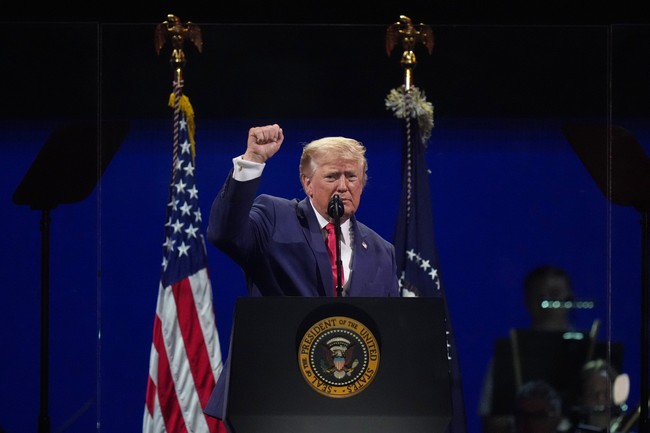
Last week, Donald Trump declared the ceasefire “over” and his negotiating partners “scum.” As David wrote earlier, Trump announced that the US would regulate the Strait of Hormuz henceforth, but Trump went further than that. He announced that the US Navy would snap the blockade of Iran back into place, as well as announcing a toll for protection in shipping through the conflict zone:
The Hormuz Strait is OPEN, and will remain OPEN, with or without Iran. We are reinstating the THE IRANIAN BLOCKADE, so named because it is only stopping Iran’s ships or customers from entering or leaving. All other countries will have fair and open use of the Strait. The U.S.A. will be, from this point forward, known as “THE GUARDIAN OF THE HORMUZ STRAIT,” but as such, and as a matter of FAIRNESS, will be reimbursed, at the rate of 20% on all cargo shipped, for any and all costs necessary to do the job of providing safety and security to this very volatile section of the World. The process and formation will begin immediately. Thank you for your attention to this matter! President DONALD J. TRUMP
The Wall Street Journal picked up on this development immediately:
President Trump said he is reimposing the U.S. blockade on Iranian shipping, escalating a standoff over control of the strategic Strait of Hormuz.
His comments on social media Monday came after the U.S. struck additional targets after Tehran defied American demands that it publicly declare the strait open and instead closed the waterway. …
Iran’s armed forces “we will under no circumstances allow the United States to interfere in the management of the Strait of Hormuz.”
The dueling comments herald the likelihood of a continued standoff over control of the strait that is undermining Trump’s deal and risking further pressure on global oil markets.
Unsurprisingly, the price of oil jumped this morning, but perhaps not as much as one might think. Both overall crude and Brent crude rose by about 4.5% an hour after Trump’s announcement, down from an initial burst to 5%, a sign that risk has already been baked into prices. Shipping is still moving through the Strait, but at a pace relatively equal to that prior to the MOU.
The WSJ also drills down to the futility of negotiating with the IRGC. They claim that the MOU left them with sovereignty over the Strait, which is an absurd claim on its face. The Iranians don’t have a deepwater navy any longer, plus the war made clear that the US rejected Iranian claims to hegemony in the region:
The root of the dispute is Paragraph 5, which says Iran will make arrangements to restore shipping through the strategic waterway and then work with Oman to determine how to administer it in the future. But it also includes an Iranian pledge to ensure safe passage and remove military obstacles such as mines.
Senior Trump administration officials said Friday that the text clearly requires Iran to open the strait and stop shooting at ships. Iranian hard-liners, however, have used it to push for exclusive control over the waterway as a source of leverage.
Iran has been pressuring Oman, which controls the southern side of the strait, to go along with its plan for control. Instead, Oman has been operating a channel through the strategic waterway that runs through its territorial waters and skirts the lanes managed by Tehran.
This really isn’t about defining Paragraph 5; that is the rationalization used by the IRGC. The fact that Iran keeps firing on commercial shipping is more than enough to violate the MOU no matter how they claim to define Paragraph 5’s terms. It’s an act of piracy and an act of war, which justifies the US withdrawal from the MOU and a return to hostilities, including the very effective blockade. Indeed, Iran has provided Trump with ample justifications for ending the ceasefire and returning to the blockade since the start of the pause in April, and almost every day since the MOU took effect.
So what now? It depends on whether Trump wants to use the blockade as a negotiating ploy or as a strategy to collapse the IRGC junta. Thus far, he’s mainly been interested in the former, and as late as last week, he has eschewed the idea of regime change. The problem with that is that the IRGC is not interested in reaching an accommodation with the United States at all, and the leadership of the junta has broadcast assassination threats against Trump and other American political figures. If Trump really sees the IRGC as scum and recognizes the futility of negotiating with them, then the blockade is the best option as long as Trump sticks with it. It may take months for the blockade to collapse the regime, but it is likely the only option with a good chance of succeeding.
Editor’s Note: For decades, former presidents have been all talk and no action. Now, Donald Trump is eliminating the threat from Iran once and for all.
Help us report the truth about the Trump administration’s decisive actions to keep Americans safe and bring peace to the world. Join HotAir VIP and use promo code FIGHT to get 60% off your VIP membership.