Gas prices in the U.S. have reached their highest levels since the start of the Iran war, increasing pressure on President Trump as his military operation turns into a contest of economic willpower with Tehran.
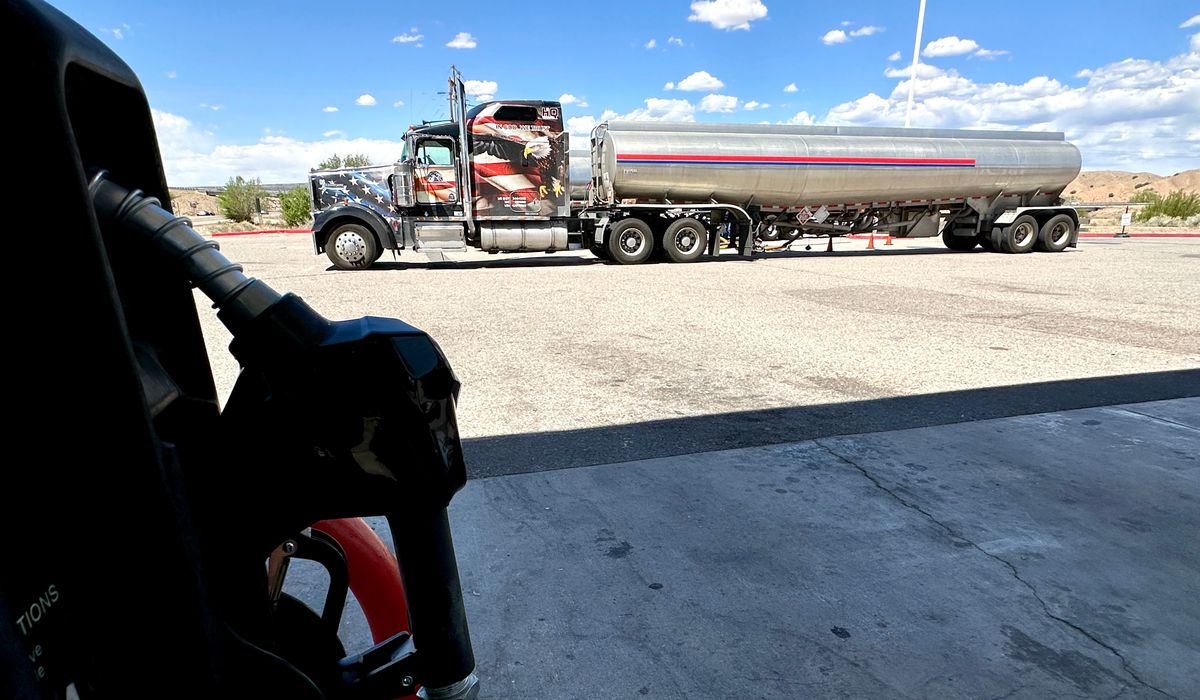
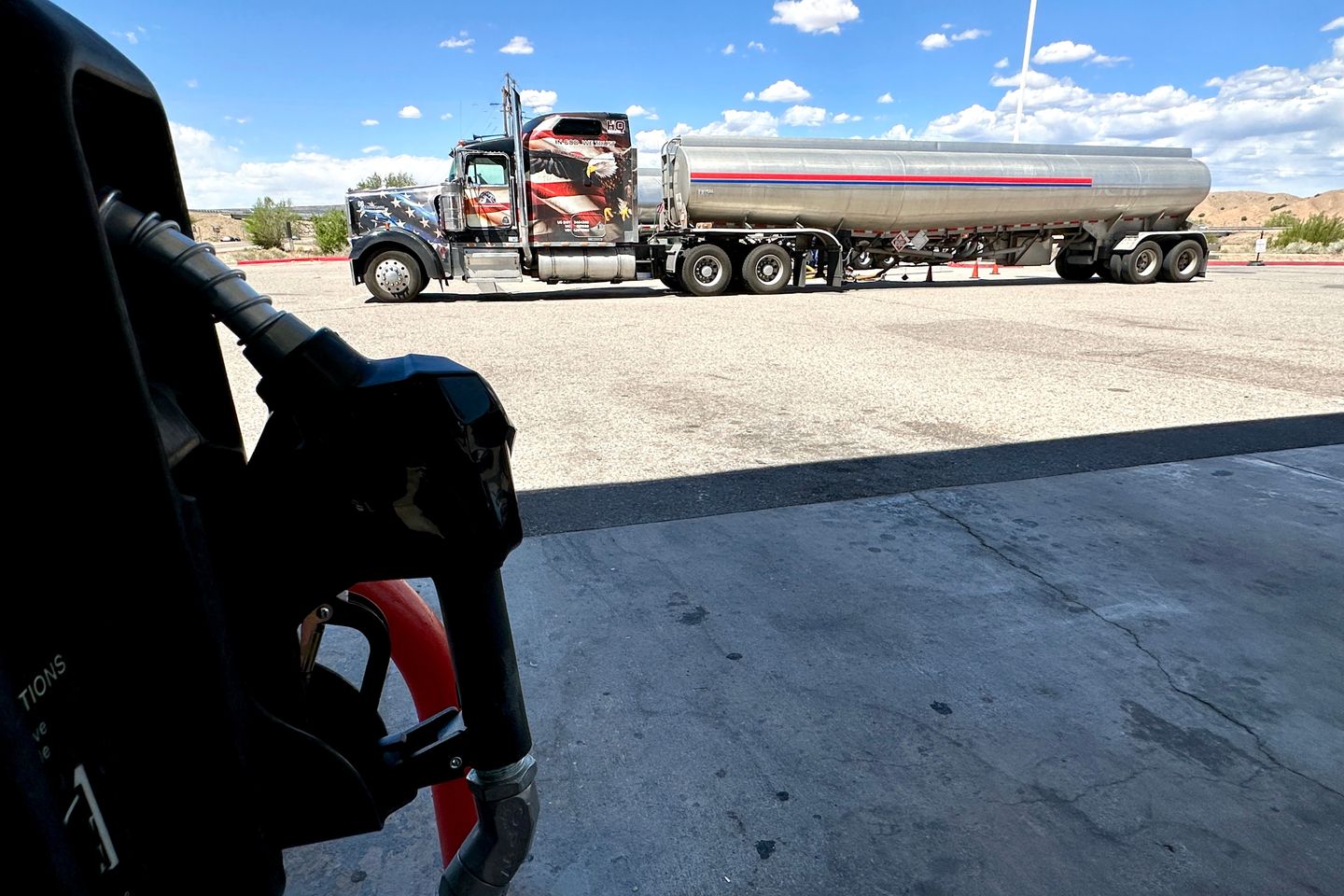
The national average price of a gallon of gas stood at nearly $4.18 on Tuesday, up from $4.11 one day prior, according to the AAA motor club.
The 1.6% leap was the highest one-day jump since Mr. Trump launched his strikes against Iran on Feb. 28.
Gasoline is refined from crude oil, so overseas supply shocks cause pain at the pump. Iran caused oil prices to skyrocket by restricting oil-tanker traffic through the Strait of Hormuz, a critical waterway.
Tuesday’s oil jump came as the Trump administration seemed to reject Iran’s latest proposal for ending the war.
The price of Brent crude, an international benchmark, jumped more than 3% to over $110 per barrel. Brent crude traded near $70 per barrel when the war began.
SEE ALSO: UAE says it will leave OPEC in major blow to global oil cartel
Mr. Trump and Israel launched their bombing because they want Tehran officials to abandon their nuclear ambitions and curtail their support for terror proxies in the Middle East.
Gas cost around $3 per gallon in the U.S. when the conflict began.
The average price per gallon hit nearly $4.17 in early April, but a ceasefire between Iran and the U.S. caused oil and gasoline prices to drop for a period.
They’ve gone back up as negotiations faltered.
This week, the White House said Mr. Trump would stick by his “red lines” in assessing an offer from Iran to reopen the Strait of Hormuz if the U.S. drops its blockade of Iranian ports and postpones discussions about Tehran’s nuclear program.
Mr. Trump told advisers he’s dissatisfied with the offer, according to The New York Times.
Rising gas prices could be a liability for Mr. Trump and the GOP if prices remain high heading into November’s midterms.
Democrats are trying to make the situation as politically painful as possible, dubbing the Iran conflict a “war of choice.”
“Working families are being forced to make impossible decisions about whether to pay for groceries, go to the doctor or take on more credit card debt while they foot the bill for Trump’s massive tax cuts for billionaires and his unpopular war,” Democratic National Committee Rapid Response Director Kendall Witmer said this week.
Mr. Trump says gas prices will recede, eventually, and that short-term economic pain will be worth the long-term gain of preventing Iran from getting a nuclear weapon.
The stock market has been on an up-and-down ride during the Iran war.
Equities were mixed on Tuesday as the U.S. and Iran struggled to reach a peace deal. Investors are mostly focused on a series of earnings reports from big tech companies that bet heavily on artificial intelligence.
Despite rising fuel costs, consumer confidence inched up by 0.6 points to 92.8 in the Conference Board’s monthly index.
The index measures how optimistic people are about their personal finances and the state of the economy. A lower number indicates greater pessimism.
“Consumer confidence edged up in April but was overall little changed, despite material concern about rising gasoline prices as the war in the Middle East prompted a surge in Brent crude oil prices,” said Dana Peterson, chief economist at the Conference Board.
While consumer views of business conditions declined somewhat, she said, “this was offset by modest improvements in consumers’ perceptions of the labor market, both current and expected, as well as income expectations, which were slightly more optimistic in April.”
Mr. Trump expressed optimism on Tuesday that his blockade would force Iran to the negotiating table.
“Iran has just informed us that they are in a ‘State of Collapse.’ They want us to ‘Open the Hormuz Strait,’ as soon as possible, as they try to figure out their leadership situation (Which I believe they will be able to do!),” Mr. Trump wrote on Truth Social.
Iran has given no outward sign that it will bend to Mr. Trump’s demands. Rather, it has taunted the U.S. side on social media, insisting it has cards to play as the world suffers from oil shortfalls and Americans see higher prices at the pump.
European and Asian countries are pressing for an end to the war as they experience energy shortfalls.
“The Iranians are obviously very skilled at negotiating or, rather, very skillful at not negotiating, letting the Americans travel to Islamabad and then leave again without any result,” German Chancellor Friedrich Merz told students in Germany on Monday. “An entire nation is being humiliated by the Iranian leadership, especially by these so-called Revolutionary Guards. And so I hope that this ends as quickly as possible.”