America is getting a nuclear-powered spaceship — and it has a launch date.
NASA Administrator Jared Isaacman confirmed this week that the agency is developing the Space Reactor-1 Freedom, a nuclear electric propulsion spacecraft designed for deep-space travel, with a 2028 launch target. Mr. Isaacman made the announcement in an exclusive interview with The Washington Times at the Space Symposium 2026 conference in Colorado Springs.
“We’re going to get underway in 2028 with SR-1 Freedom,” Mr. Isaacman said. “The first-of-its-kind nuclear-powered interplanetary spacecraft.”
The reason nuclear power is essential comes down to physics. Solar panels lose almost all effectiveness the farther a spacecraft travels from the sun.
“Solar power is 4% [effective] as you go past Jupiter,” Mr. Isaacman said. “You’re going to need nuclear power.”
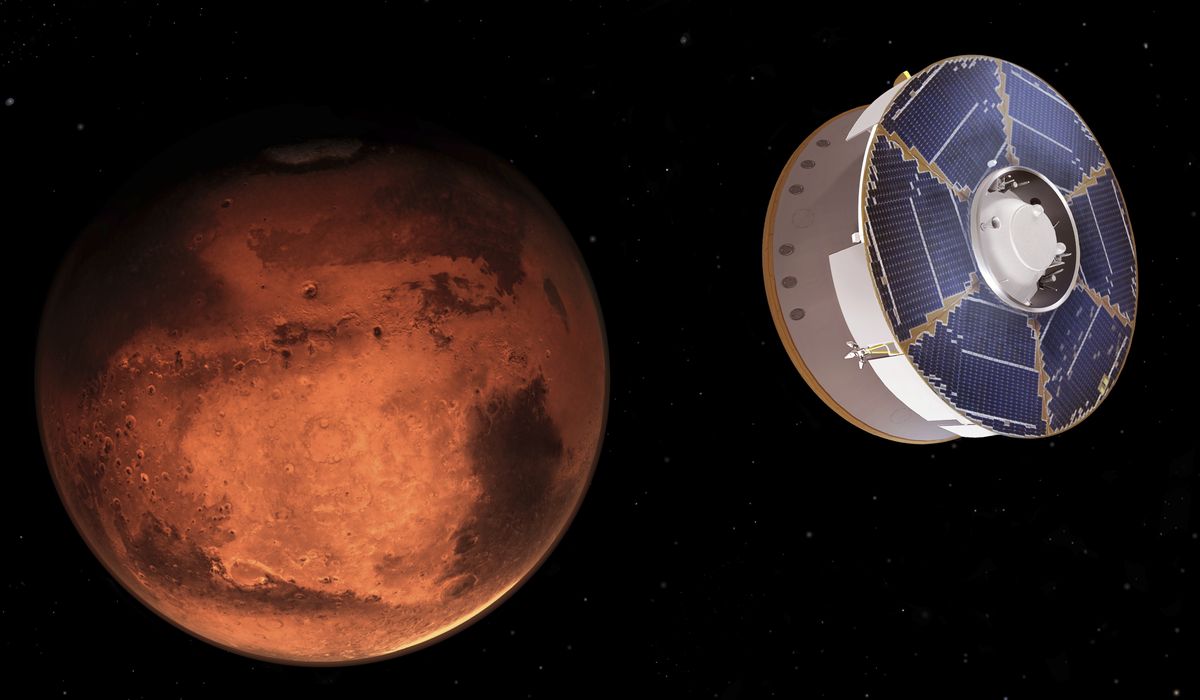
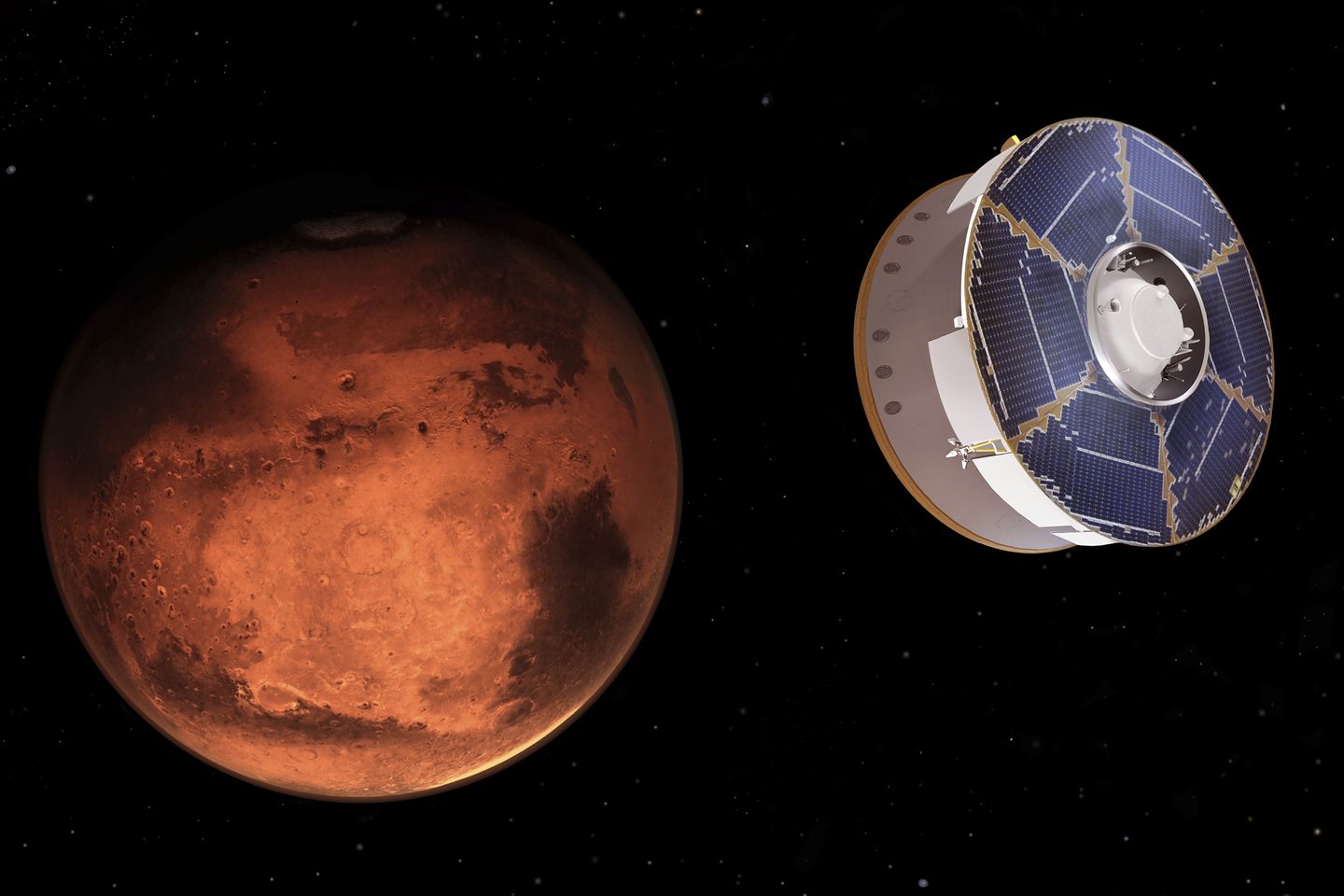
The SR-1 Freedom would carry a full payload toward Mars and push deeper into the solar system, beyond Jupiter. The program revives technology the U.S. hasn’t seriously pursued since the NERVA rocket program of the 1960s.
“We haven’t dusted that thing off in probably almost 60 years,” Mr. Isaacman said.
The push has White House backing. A coordinated policy directive aligns NASA, the Pentagon and the Energy Department around the same 2028 deadline.
“Nuclear is OK again,” Mr. Isaacman told The Times.
Read more:
• NASA fast-tracks nuclear-powered spaceship, aims for interplanetary travel in 2028
This article was constructed with the assistance of artificial intelligence and published by a member of The Washington Times’ AI News Desk team. The contents of this report are based solely on The Washington Times’ original reporting, wire services, and/or other sources cited within the report. For more information, please read our AI policy or contact Steve Fink, Director of Artificial Intelligence, at sfink@washingtontimes.com
The Washington Times AI Ethics Newsroom Committee can be reached at aispotlight@washingtontimes.com.