Don’t miss the full story, whose reporting from The Associated Press is the basis of this artificial intelligence-assisted article.
1. Why did Ukraine’s president travel to Berlin?
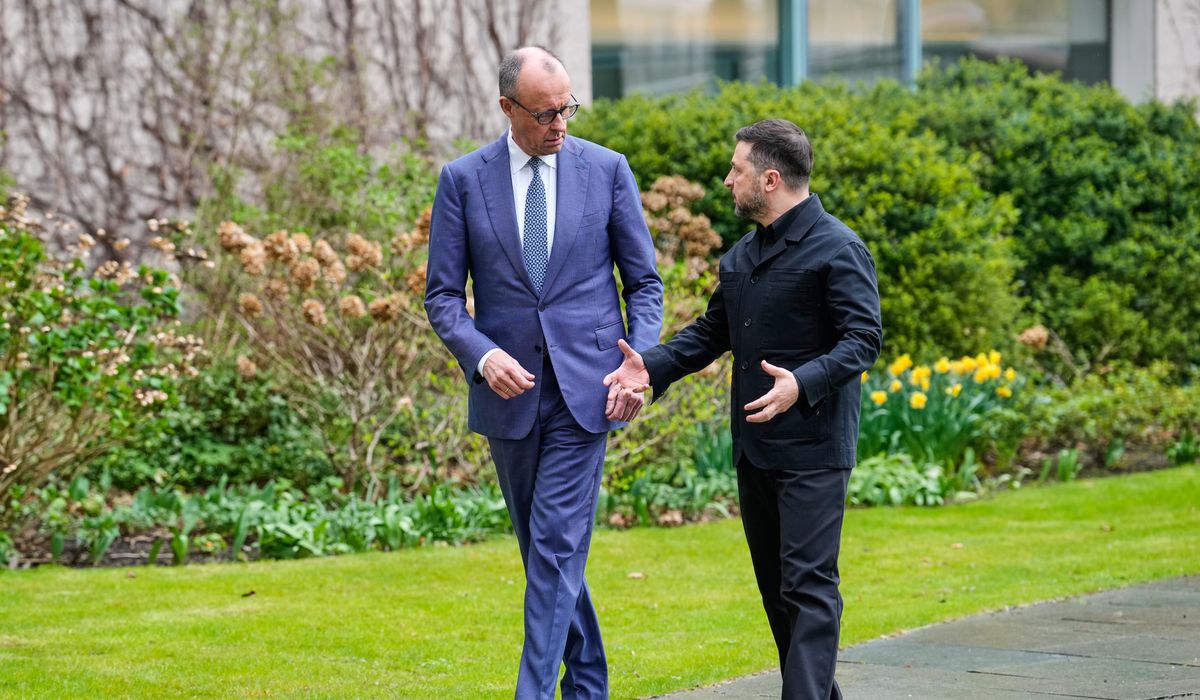
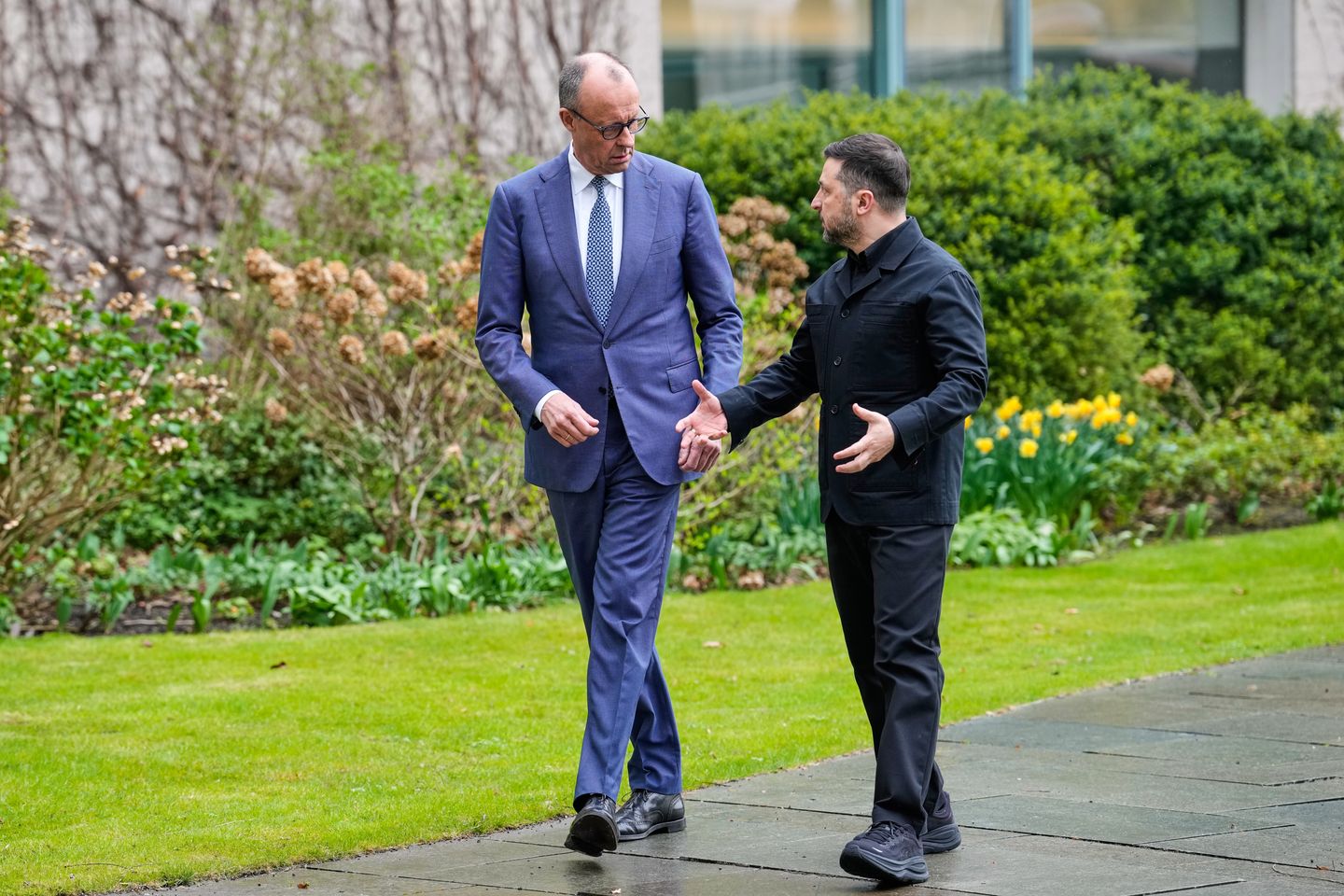
Ukrainian President Volodymyr Zelenskyy met with German Chancellor Friedrich Merz to maintain ties with one of Ukraine’s biggest military and financial supporters. German Defense Minister Boris Pistorius also held separate talks with Ukraine’s new Defense Minister Mykhailo Fedorov, who is credited with advancing Ukraine’s military drone technology since taking the post in January.
2. How is Ukraine faring on the battlefield right now?
Western analysts say Ukraine has recorded battlefield successes in recent months, disrupting a Russian spring offensive and launching more drones and missiles at Russia last month than Russia fired at Ukraine. Finland’s President Alexander Stubb went so far as to say Ukraine “is on top from a military perspective,” though Russia has also claimed battlefield progress and independent verification of either side’s claims was not possible.
3. What is the biggest threat to continued Western support for Ukraine?
The Trump administration’s focus has shifted to the Iran war, causing U.S.-led peace efforts to stall. Zelenskyy fears a prolonged Iran conflict could erode critical American support, as Ukraine depends heavily on U.S. intelligence for targeting inside Russia and needs more advanced American air defense systems to protect its power grid from Russian missile strikes.
4. What financial lifeline is Ukraine waiting on?
Ukraine urgently needs a promised 90-billion-euro ($106 billion) loan from the European Union that had been blocked by Hungarian Prime Minister Viktor Orban. His defeat in weekend elections could clear the way for those funds to be released to Kyiv.
5. What are Ukraine’s most pressing internal challenges?
Ukraine is grappling with a significant manpower shortage, with Fedorov citing roughly 200,000 troop desertions and an estimated 2 million people evading the draft. The country also faces ongoing financial strain while continuing to fight a war now in its fifth year, with Russia still occupying approximately 20% of Ukrainian territory — including Crimea, which it seized in 2014.
READ MORE: Zelenskyy meets Merz in Berlin as Ukraine seeks more support from Germany against Russia
This article was constructed with the assistance of artificial intelligence and published by a member of The Washington Times’ AI News Desk team. The contents of this report are based solely on The Washington Times’ original reporting, wire services, and/or other sources cited within the report. For more information, please read our AI policy or contact Steve Fink, Director of Artificial Intelligence, at sfink@washingtontimes.com
The Washington Times AI Ethics Newsroom Committee can be reached at aispotlight@washingtontimes.com.