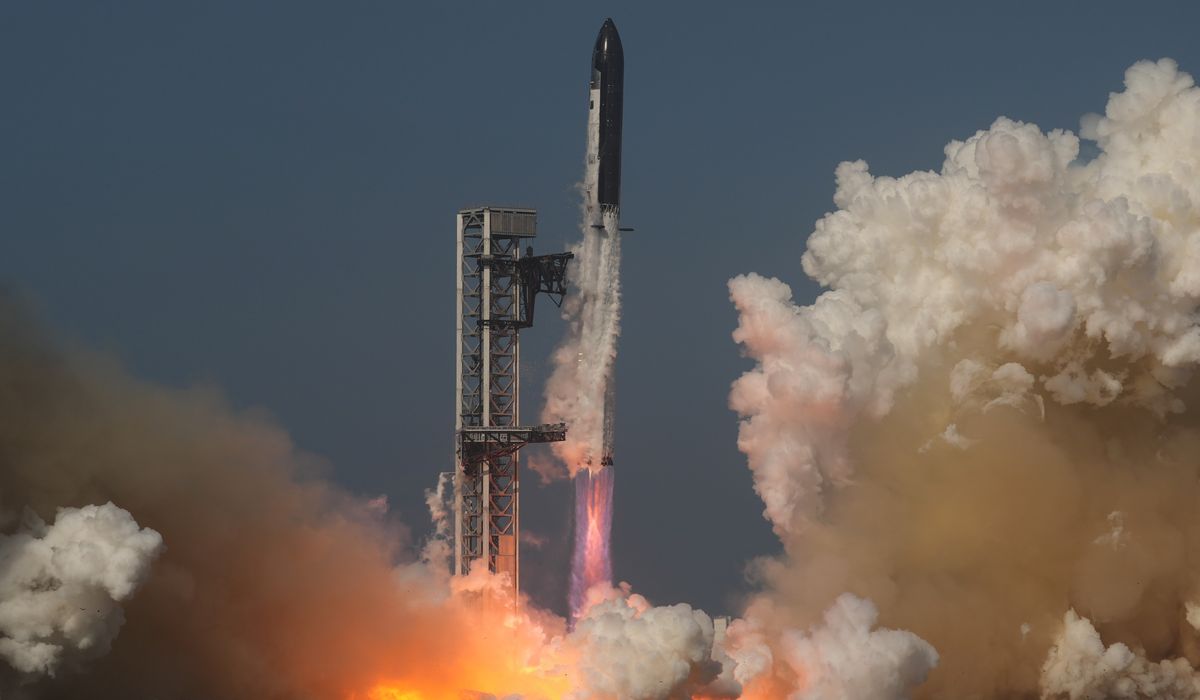
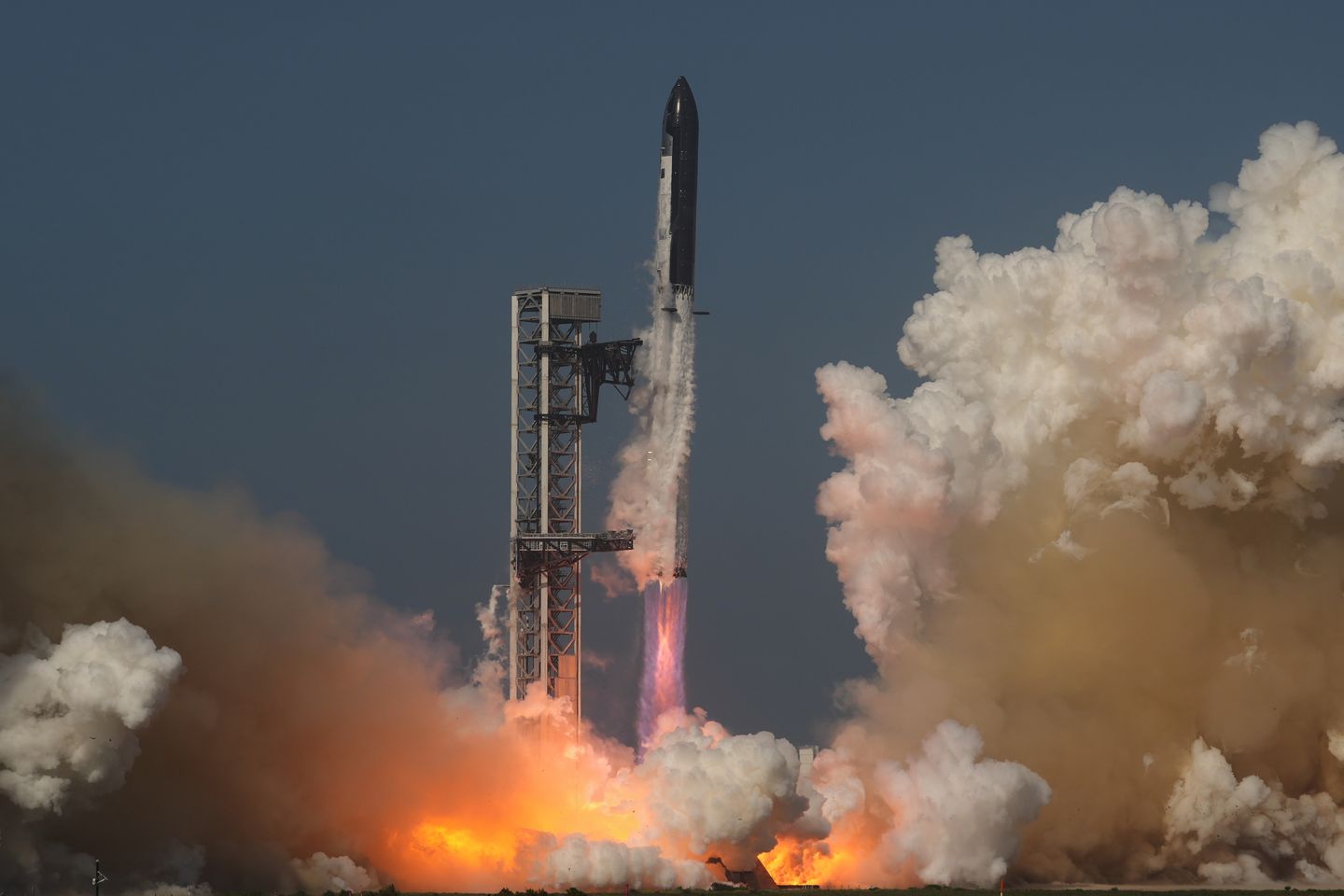
A SpaceX Starship booster crashed instead of landing after engine failures cut short its return to Earth — here’s what happened and what it means for future moon and Mars missions.
1. What went wrong during the Starship test flight?
Minutes after liftoff from Texas, the rocket’s first-stage booster separated normally but then experienced engine failures on its return to Earth. Rather than completing a controlled splashdown in the Gulf of Mexico, the booster came down hard — though no injuries or property damage were reported.
2. What is the current status of Starship launches?
The FAA has declared the flight a mishap and placed future Starship launches on hold pending an investigation. SpaceX will conduct the investigation under FAA oversight.
3. Did any part of the mission succeed?
The upper-stage spacecraft itself performed as planned. It completed a trip around the world, deployed 20 mock satellites, and ended the mission with a controlled splashdown in the Indian Ocean.
4. Who is investigating the incident, and how?
The FAA is overseeing the investigation into the booster failure. This is standard procedure following a launch mishap, and SpaceX will lead the investigation under the agency’s supervision.
5. Why does Starship matter beyond this test flight?
At 407 feet tall, Starship is SpaceX’s largest and most powerful rocket, designed by CEO Elon Musk with Mars missions in mind. NASA is also counting on it to land astronauts on the moon as early as 2028 and to help construct a permanent lunar base.
For more on this report, read “SpaceX’s Starship rockets are grounded pending investigation after test flight” from The Associated Press, published on The Washington Times.
This article was constructed with the assistance of artificial intelligence and published by a member of The Washington Times’ AI News Desk team. The contents of this report are based solely on The Washington Times’ original reporting, wire services, and/or other sources cited within the report. For more information, please read our AI policy or contact Steve Fink, Director of Artificial Intelligence, at sfink@washingtontimes.com
The Washington Times AI Ethics Newsroom Committee can be reached at aispotlight@washingtontimes.com.