When Iranian Shahed drones began raining down on Gulf capitals last week, the most experienced anti-drone force in the world was not the U.S. military. It was not Israel’s vaunted air defense establishment. It was Ukraine — a country that has been on the receiving end of roughly 57,000 Shahed attacks since Russia first deployed the weapon in 2022.
That grim distinction has suddenly made Kyiv one of the most sought-after military advisors on the planet.
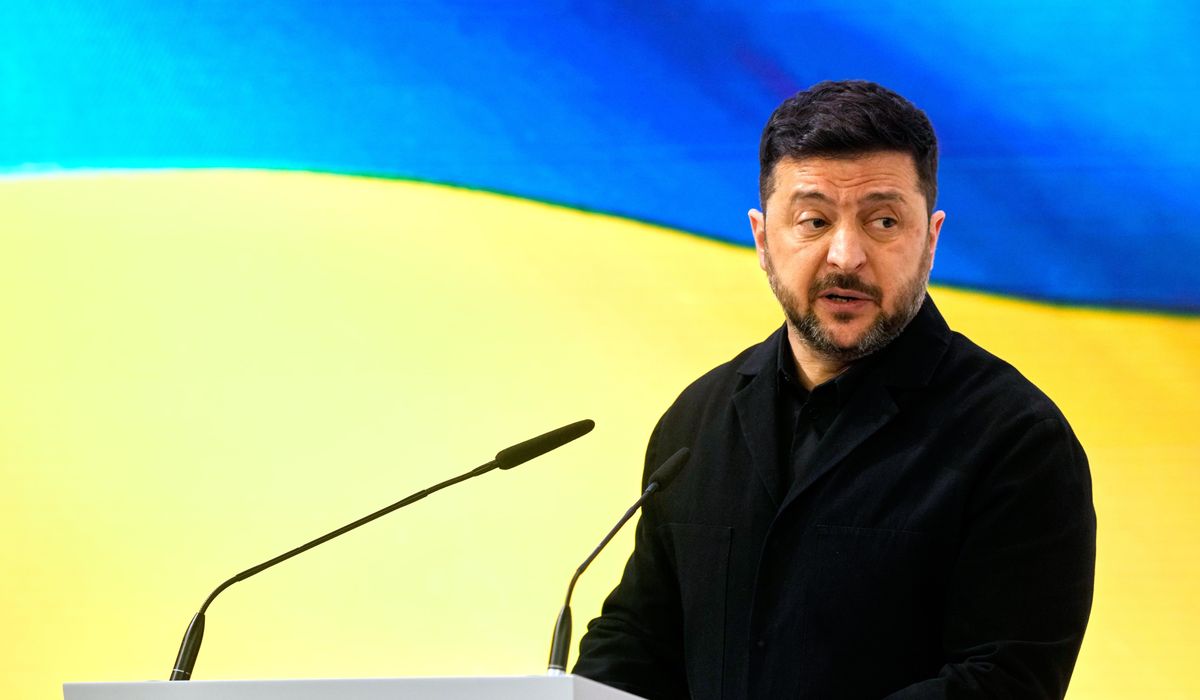
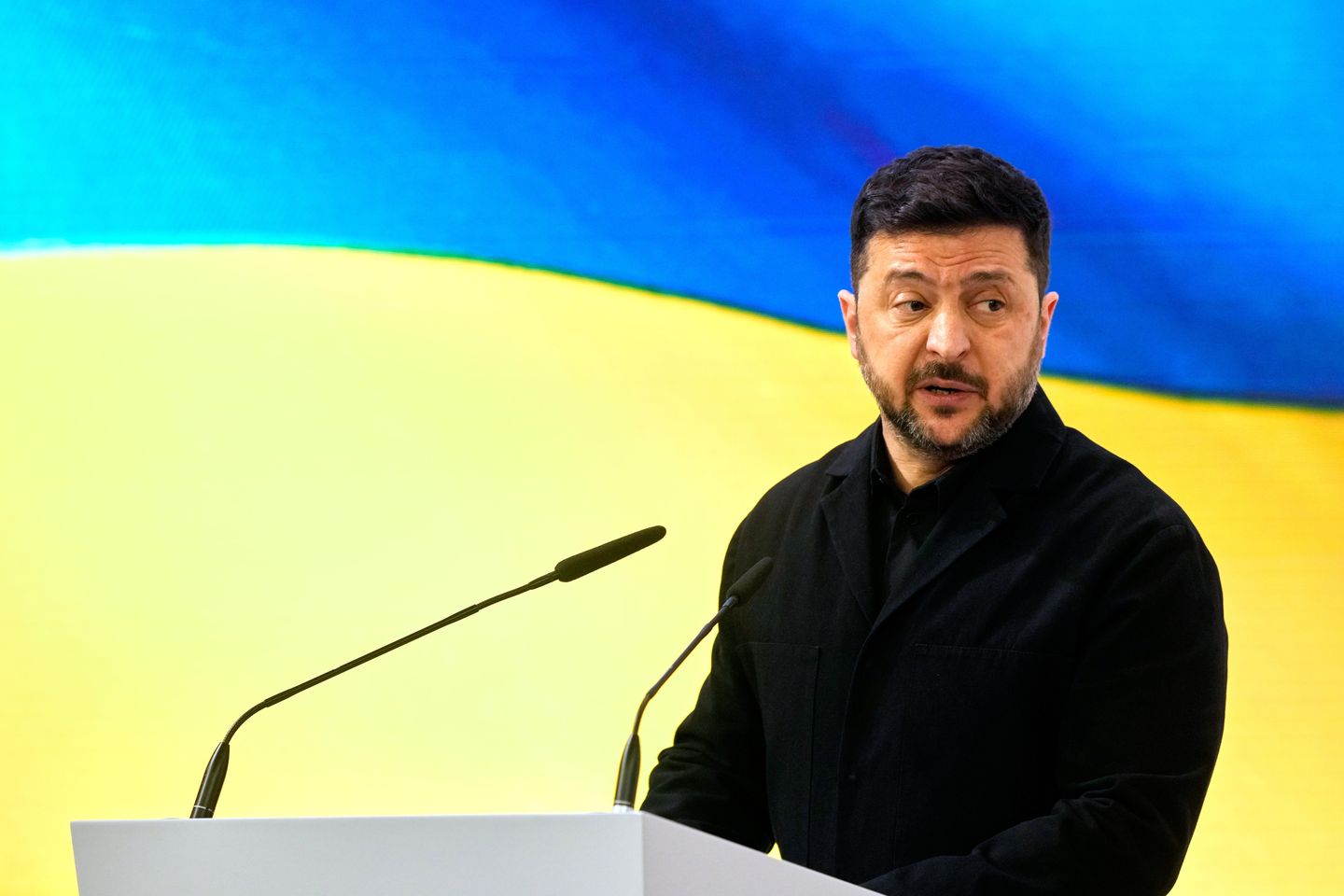
Ukrainian President Volodymyr Zelenskyy wasted little time making that point. In a flurry of calls this week with leaders from the UAE, Qatar, Jordan, Bahrain and Kuwait, he offered something no American or Israeli general could match: four years of hard-won, battlefield-tested expertise in shooting down the exact weapon now terrorizing the Gulf. “There have been strikes by Iranian Shaheds on civilians in those countries,” Mr. Zelenskyy said. “They are seeking our expertise. We are open.”
But the offer came with conditions.
In exchange for deploying Ukraine’s best drone-intercept operators to the region, he asked Gulf leaders to do something that would reshape the conflict in Europe: pressure Russian President Vladimir Putin into agreeing to a ceasefire. The pause, he proposed, could last two weeks, one month, or two months. The message was clear — Ukraine’s expertise is real, but it isn’t free.
The ask is a long shot. Gulf states have carefully maintained ties with Moscow throughout the Ukraine war, and their willingness — or ability — to extract ceasefire concessions from the Kremlin is far from certain. So far, no Middle Eastern government has publicly responded to the proposal.
SEE ALSO: How Iran plans to win: Make the U.S. burn through missiles faster than it can replace them
Still, the offer reflects just how dramatically the battlefield has shifted. Iran has launched more than 800 missiles and 1,400 strike drones in recent days, hitting targets across at least nine countries. The UAE alone reported intercepting around 800 Iranian projectiles. For Gulf states unaccustomed to defending against mass drone swarms, the learning curve is steep and the clock is ticking.
Ukraine has already climbed it. Kyiv’s layered air defense system — combining Patriots for ballistic missiles, jets and helicopters for long-range drone interception, radar-guided cannons for midrange threats, and even quad-mounted machine guns firing walls of lead into Shahed flight paths — is the product of years of painful iteration. Replicating it elsewhere, analysts caution, will not be straightforward.
Mr. Zelenskyy also put hardware on the table, offering Gulf states a direct swap: Ukrainian-built interceptor drones in exchange for PAC-3 missiles for Ukraine’s own Patriot systems, which Kyiv is urgently short of. “If they give them to us, we will give them interceptors,” he said. “It is an equal exchange.”
Britain moved to bridge the gap diplomatically. Prime Minister Keir Starmer announced that the U.K. would bring Ukrainian experts together with British specialists to help Gulf partners counter the Iranian threat. Zelenskyy, characteristically blunt, noted he had received no formal request as of Monday — but left the door open. “If their representatives come,” he said, “we will provide the expertise.”
By Wednesday, the door had swung considerably wider. Mr. Zelenskyy announced he had ordered Ukraine’s government to develop a concrete support plan for affected Gulf nations, with military personnel already in early-stage negotiations. “Ukrainian experts will work on site,” he said, “and teams are already negotiating this.”
The irony is almost too neat: The weapon Iran designed to bleed Ukraine dry has made Ukraine indispensable to the very states Iran is now trying to destabilize. Whether the Gulf will accept Kyiv’s terms — and whether Kyiv can actually deliver in a theater far from home — remains to be seen. But for the first time in this war, Ukraine holds a card no one else does.
This article is written with the assistance of generative artificial intelligence based solely on Washington Times original reporting and wire services. For more information, please read our AI policy or contact Steve Fink, Director of Artificial Intelligence, at sfink@washingtontimes.com
The Washington Times AI Ethics Newsroom Committee can be reached at aispotlight@washingtontimes.com.