The federal government has an estimated $50 billion in unsustainable deferred maintenance and repair liabilities at its underused agency buildings, an independent watchdog reported Thursday.
The Public Buildings Reform Board, a bipartisan agency established under the Obama administration with a mandate to shed crumbling properties, estimated that the General Services Administration has received repair allocations equaling just 0.375% of the portfolio’s functional replacement value for decades.
That’s well below the industry standard of 2% to 4%, resulting in what the report called “backlogs that increase building lifecycle costs, accelerate asset deterioration, and degrade facility performance.”
“Congress is never going to be able to appropriate its way out of this problem,” Talmage Hocker, the board’s acting chairman, said in a statement. “The only way to handle this is through a radical reduction in the GSA’s portfolio size.”
GSA, the federal government’s chief landlord, manages more than 350 million square feet of properties nationwide. Roughly 40% are in the District, where extended telework during the pandemic turned them into ghost towns.
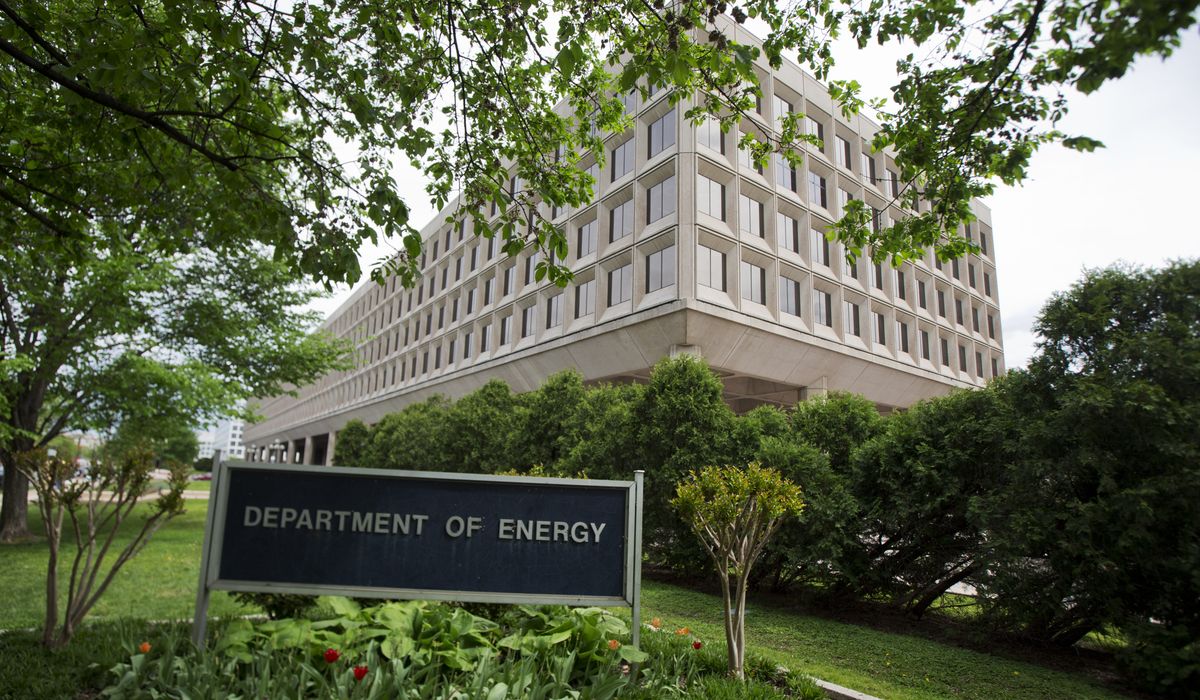
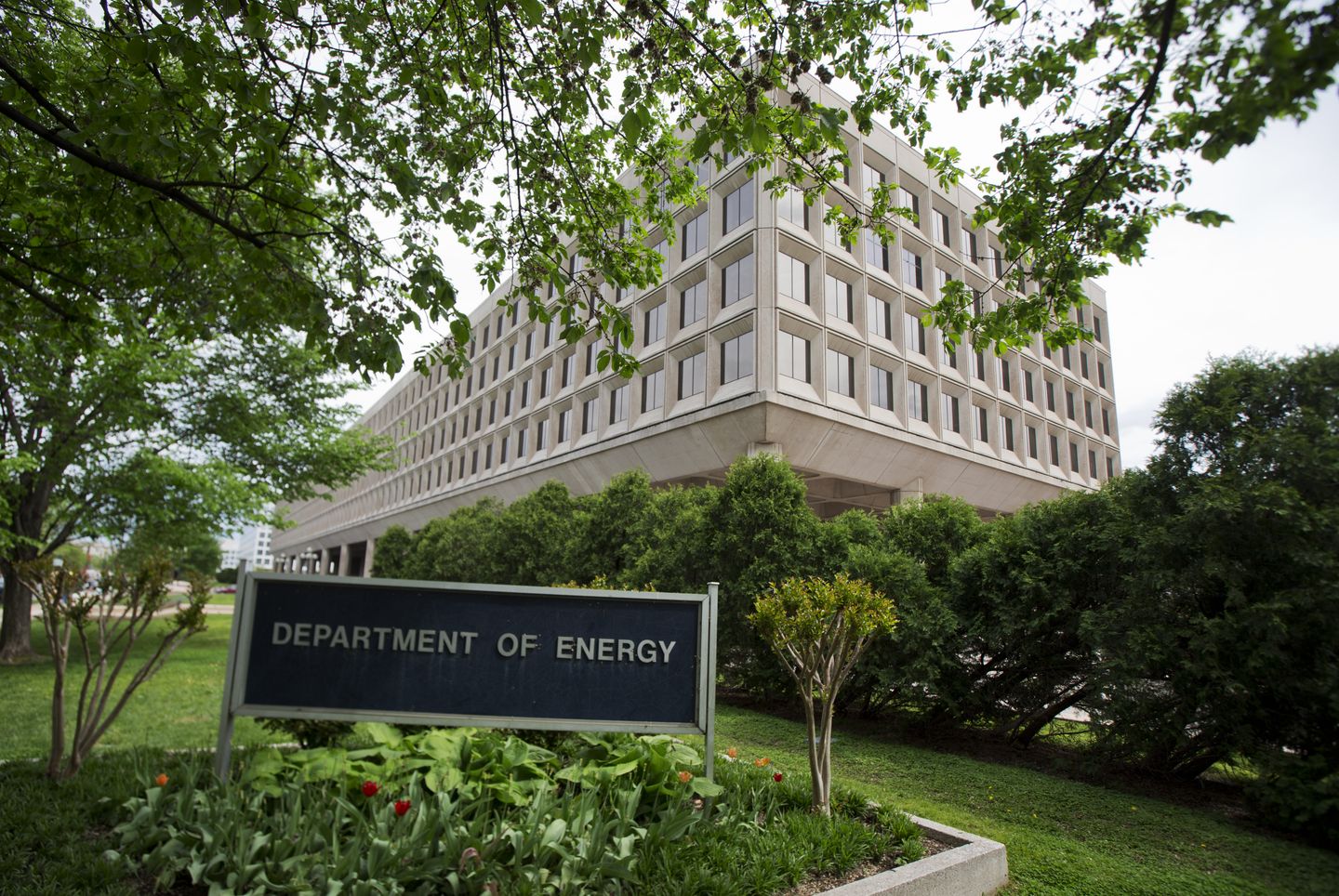
During a press call on Thursday morning, board member David Winstead noted that D.C. agency buildings, such as the Agriculture Department and Energy Department headquarters, “really lost a lot of their equity” as the Biden administration extended telework beyond what other cities allowed.
“Part of the issue is we’ve had this incredible change,” said Mr. Winstead, a commercial real estate attorney who served as GSA public buildings commissioner from 2005 to 2009.
The Trump administration has leaned on the board’s recommendations to expedite the disposal of unused D.C. agency headquarters, bolstering its campaign to shrink the size of government.
In May, the White House Office of Management and Budget approved the board’s recommendation to ax 11 government buildings worth $5.4 billion in the Washington metro area and seven other cities, including the massive Energy Department headquarters.
The move authorized the GSA to expedite the sales and consolidation of D.C. agency headquarters, which saw record-low use during the coronavirus pandemic and where employees resisted return-to-work orders.
Other D.C. properties divested included the home of the Voice of America, which the Trump administration gutted in budget cuts, and the vacant former Department of Homeland Security headquarters.
More recently, the Trump administration announced this month that it would sell the Agriculture Department’s South building, marking the first use of a January 2025 law requiring that federal headquarters be at least 60% occupied.
GSA officials confirmed to The Washington Times that USDA South, linked by tunnels and a walkway to the department’s primary headquarters in the Jamie L. Whitten Federal Building, was just 15% occupied.
“GSA is enthusiastically committed to executing President Trump’s vision of reducing the bloated federal real estate portfolio and turning the fiscal drain of empty space into economic opportunity,” GSA Administrator Ed Forst said in an emailed statement.
The Public Buildings Reform Board is still evaluating the economic impact of shedding the USDA South building as part of a final round of recommendations it expects to send to OMB in late fall.
Authorized by Congress, the reform board’s statutory authority empowers the Trump administration to get federal buildings to the market faster than other processes.
Under the first Trump administration in 2020, the board proposed axing 12 properties, 10 of which have since been sold for a total of $193 million.
A 2022 report called for dumping an additional 15 properties estimated to be worth $275 million, but the Biden administration did not adopt the plan.
The board reported to Congress that only 12% of federal headquarters space in the District was occupied in the first nine months of 2023. It made its estimates based on cellphone data, which is a standard tactic for estimating occupancy in commercial buildings.
That included an average of just eight employees working each day in the James V. Forrestal Building, which has an estimated capacity of 4,388 seats for Energy Department workers.
Of the 11 buildings approved for disposal last year, the reform board said Thursday that only one has gone to market so far: the former GSA Regional Office Building at Seventh and D Streets NW.
The board’s interim report on Thursday urged federal officials to “strategically and aggressively reduce its property footprint through targeted consolidation and divestiture of underutilized and high-cost assets.”
For example, it noted a recent document from the Administrative Office of the U.S. Courts that described federal courthouses as “in crisis [with] judges being trapped in elevators for hours, ceilings collapsing in courtrooms during trial, and other issues.”
“This mounting backlog of deferred maintenance and repair costs is crippling federal agencies’ ability to deliver on their missions and endangering the health, safety, and welfare of the federal workforce,” Mr. Hocker said.