LONDON —
President Trump’s scornful dismissal last week of Somali immigrants — they’ve “contributed nothing” to the U.S., he said — created a stir in Washington, but in the long-troubled African nation itself, officials brushed off the controversy. They’re focused instead on the country’s surprising new partnership with the U.S.
Somalia has quietly reemerged as one of America’s most vital security partners in Africa. U.S. forces in Somalia are fighting alongside local allies in a struggle that may determine the fate of ISIS and al-Shabab in the Horn of Africa.
“It’s not comments befitting of the Oval Office, but we in Somalia recognize these are comments more about internal politics in the United States,” said Sonkor Geyre, the former director general of Somalia’s ministry of defense and now the head of Heritage Institute, a Somali think tank.
Under Mr. Trump, Somalia has become a crucial component of America’s counterterrorism strategy.
Somalia has Africa’s longest coastline with access to the Red Sea and the Gulf of Aden. The Bab el-Mandeb is a vital maritime choke point where at least 4 million barrels of oil transit each day just to the north of Somalia.
The central government, weak and fractured, struggles to control much of the country outside of Mogadishu. Meanwhile, breakaway regions like Puntland and Somaliland have established their own self-governing systems. The latter considers itself independent from Somalia as a whole, while Puntland is an autonomous region that launched “Operation Hilaac” in November 2024 to defeat ISIS–Somalia.
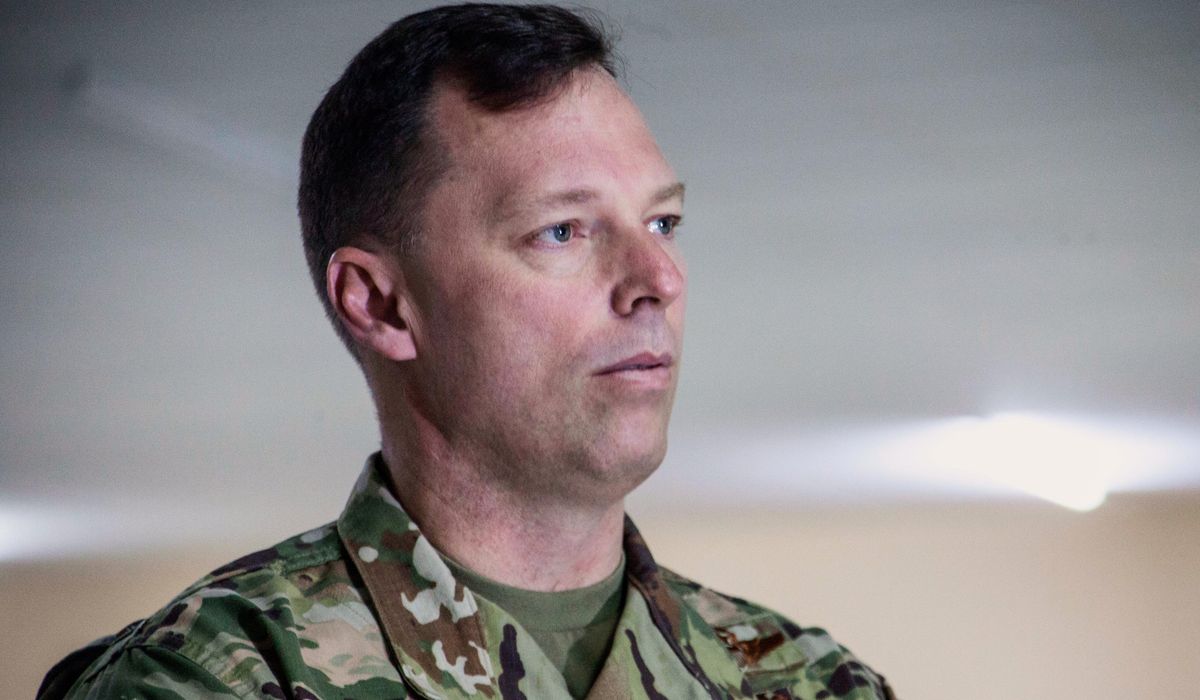
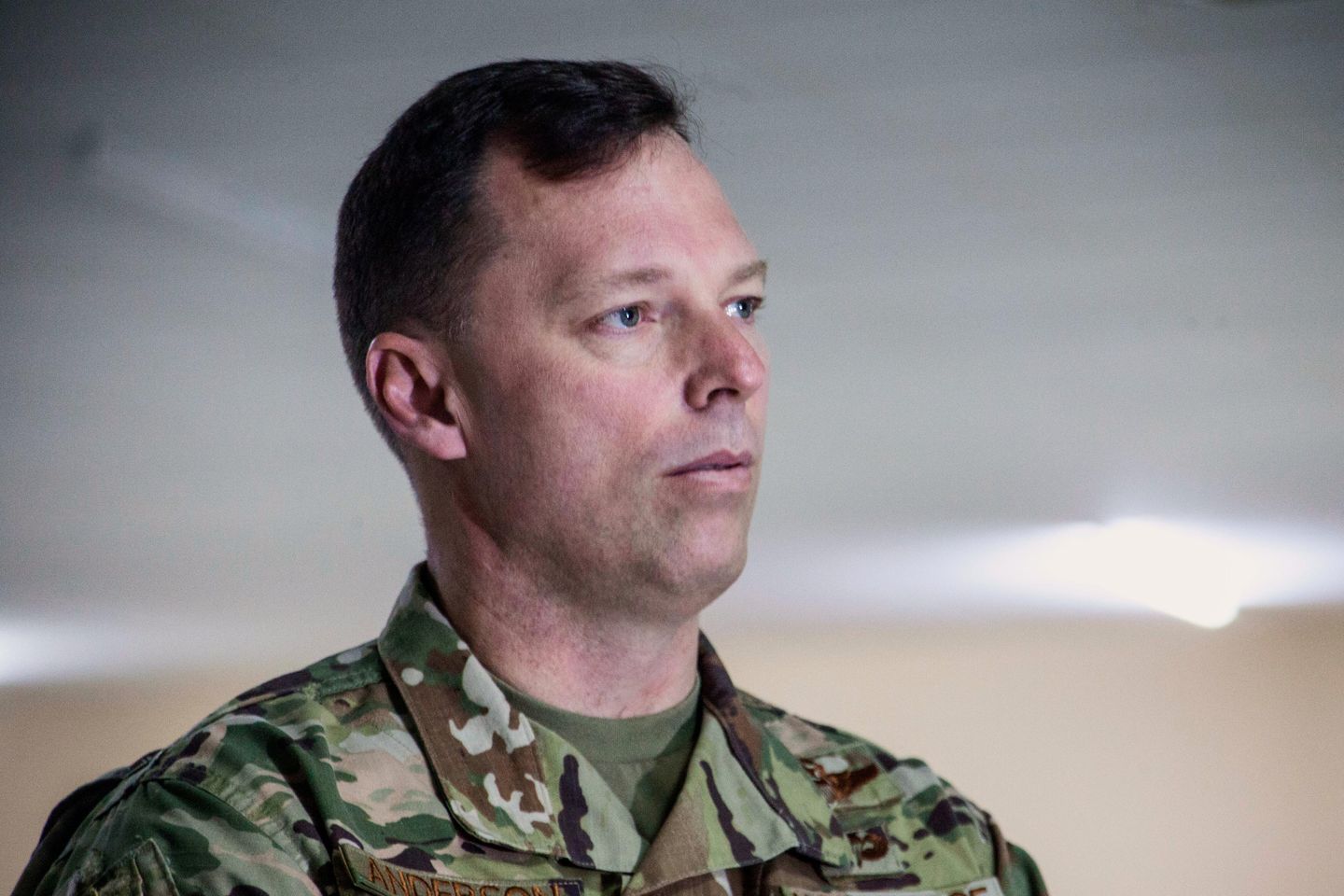
Gen. Dagvin Anderson, commander of U.S. Africa Command, or AFRICOM, began December with visits to Ethiopia and Somalia. His visit to the region included meetings with leaders from Puntland and Somaliland to assess the evolving security situation.
U.S. Africa Command has played a central role in providing intelligence, air support and critical resources to Somali forces as they take on jihadists in some of the country’s most rugged and remote regions. Following the defeat of the ISIS caliphate in Iraq and Syria, many foreign fighters headed to Somalia with plans to carve out a new ISIS-controlled territory.
“Across Somalia, we are fighting shoulder to shoulder with Americans in combat against terrorist threats,” said Mr. Geyre, who spoke with The Washington Times from Mogadishu. “The struggle against ISIS in the north is different from the struggle against al-Shabab in the south. Both groups present clear threats to regional security.”
On Friday, three days after Mr. Trump’s remarks, AFRICOM confirmed airstrikes against ISIS forces in Puntland and against al-Shabab in the south.
“Foreign fighters from Syria, Turkey, Morocco, South Africa, Nigeria, Kenya, arrived in Puntland in recent years,” said Mohamed Farole, a Cabinet minister in the Puntland government. “However, they were only able to recruit a small number of local Somalis.”
Mr. Farole, who helped found the Puntland Marine Police Force, said that ISIS, also known as “Daesh,” used protection rackets, illicit gold mining operations and illegal charcoal smuggling to generate at least $10 million.
Those funds were used to support terrorist operations in Mozambique and other countries. ISIS–Somalia was linked to an attack on the Israeli embassy in Sweden in May 2024.
“The war against Daesh is fought in very remote areas of the country. This is a war where camels and donkeys are often key. Early in this campaign, Daesh was using drones against us, and we have not experienced this. Now, our forces, with American training, are using drones to coordinate mortar strikes against Daesh. Daesh is on the run,” Mr. Farole said. “They no longer control villages and are hiding in the wilderness.”
According to local reports, U.S. special operations forces and Puntland security forces launched a joint assault on ISIS positions in the remote Cal Miskaad mountain range on Nov. 25. U.S. MQ-9 Reaper drones and helicopters reportedly played a key role in the operation, providing critical air support for Puntland forces. The operation reportedly focused on a series of fortified cave positions held by ISIS fighters.
AFRICOM announced airstrikes on ISIS–Somalia during that period but made no mention of the involvement of U.S. ground forces.
“AFRICOM, alongside the Federal Government of Somalia and Somali Armed Forces, continues to take action to degrade ISIS–Somalia’s ability to threaten the U.S. Homeland, our forces, and our citizens abroad,” reported a Dec. 3 AFRICOM press release. “Specific details about units and assets will not be released to ensure continued operations security.”
While ISIS–Somalia is currently on the run, al-Shabab has controlled parts of southern Somalia for two decades. But even there, Somali federal forces have begun to push back in recent years.
“The Somali National Army and [African Union] forces, backed by international partners, are advancing through Operation Silent Storm in Lower Shabelle,” said Awes Hagi Yusuf, national security adviser to the Somali president, in a Wednesday op-ed. “The operation has delivered key gains, driving al-Shabaab into rural hideouts. All bridges connecting Mogadishu to surrounding regions, once nearly under terrorist control, are now fully liberated and restored to government authority.”
Mr. Farole criticized the Somali federal government’s lethargic approach to fighting al-Shabab in southern Somalia in comparison to the approach of his government in Puntland.
“I once cared for an injured cheetah in my home as part of my official duties. When it recovered, we tried to re-wild it by letting it hunt a gazelle. But it had forgotten how to hunt and preferred to be fed. That is how the Somali federal government has approached the fight against al-Shabab — waiting for others to do the work for them,” he said.
The deaths of two Kenyan border patrol officers last month in an IED attack demonstrate that the terrorist group continues to be a threat. Al-Shabab continues to recruit and raise funds in nearby Kenya, which has a large Somali population. In June 2024, then-President Biden designated Kenya a major non-NATO ally, in part due to its struggle with al-Shabaab. It was the fourth African nation to receive this distinction.
Mr. Farole says in the long term, the international partners of Somalia — the U.S., Turkey and the UAE — must develop a new strategy.
“Our armed forces are strong, and we will defeat ISIS in Somalia and we are grateful for U.S. support,” said Mr. Farole, “but the long-term solution is to rebuild the governance and institutions within Somalia through reconciliation.”