Don’t miss the full story from our staff writers, whose reportage is the basis of this article.
The Trump administration announced Wednesday it will market Venezuelan crude oil for sale and control the country’s oil flow indefinitely, while U.S. forces seized two sanctioned tankers in Atlantic waters. The administration is enlisting private companies and financial institutions to facilitate sales, with proceeds settling in U.S.-controlled accounts at globally recognized banks before being distributed to benefit American and Venezuelan people at the government’s discretion.
White House press secretary Karoline Leavitt said the U.S. will roll back some sanctions on Venezuelan oil to enable the sales. These moves follow the weekend military raid that captured President Nicolas Maduro in Caracas, who now faces narco-terrorism charges in New York, leaving Venezuela under an interim government.
Secretary of State Marco Rubio emphasized the actions are part of a broader plan to stabilize Venezuela under acting President Delcy Rodriguez while leveraging oil reserves for American interests. He insisted the strategy isn’t improvised and that oil profits will benefit regular people rather than corruption or the regime.
On Wednesday, U.S. authorities intercepted the Marinera, formerly known as Bella 1, in the North Atlantic after weeks of pursuit. The Treasury-sanctioned tanker had defied the maritime blockade imposed by President Trump on Dec. 16. The vessel, now registered under Russia and reportedly shadowed by a Russian submarine, had changed its name after Coast Guard attempts to board it off Venezuela’s coast last month. Attorney General Pam Bondi said crew members face potential prosecution for failing to obey Coast Guard orders.
A second ship, the Motor Tanker Sophia, was seized in the Caribbean after docking at a Venezuelan oil port without transmitting location data. The Marinera seizure could escalate tensions between Washington and Moscow, with Russia’s Foreign Ministry claiming the vessel operated within international maritime law and received disproportionate U.S. attention.
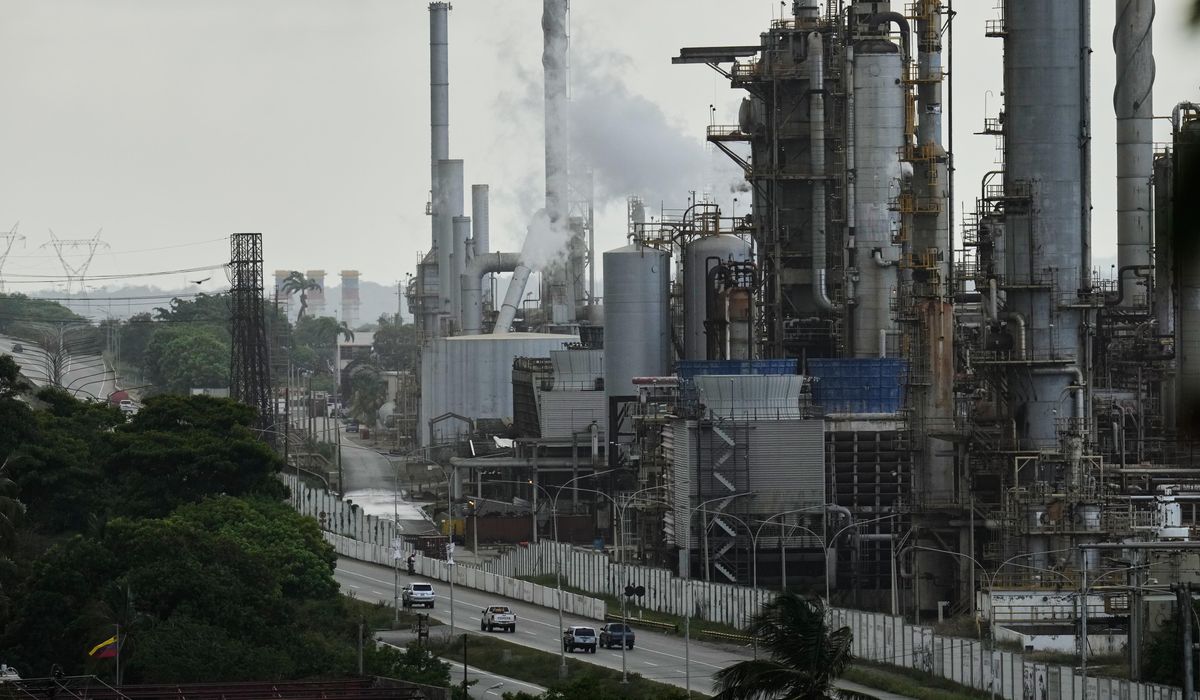
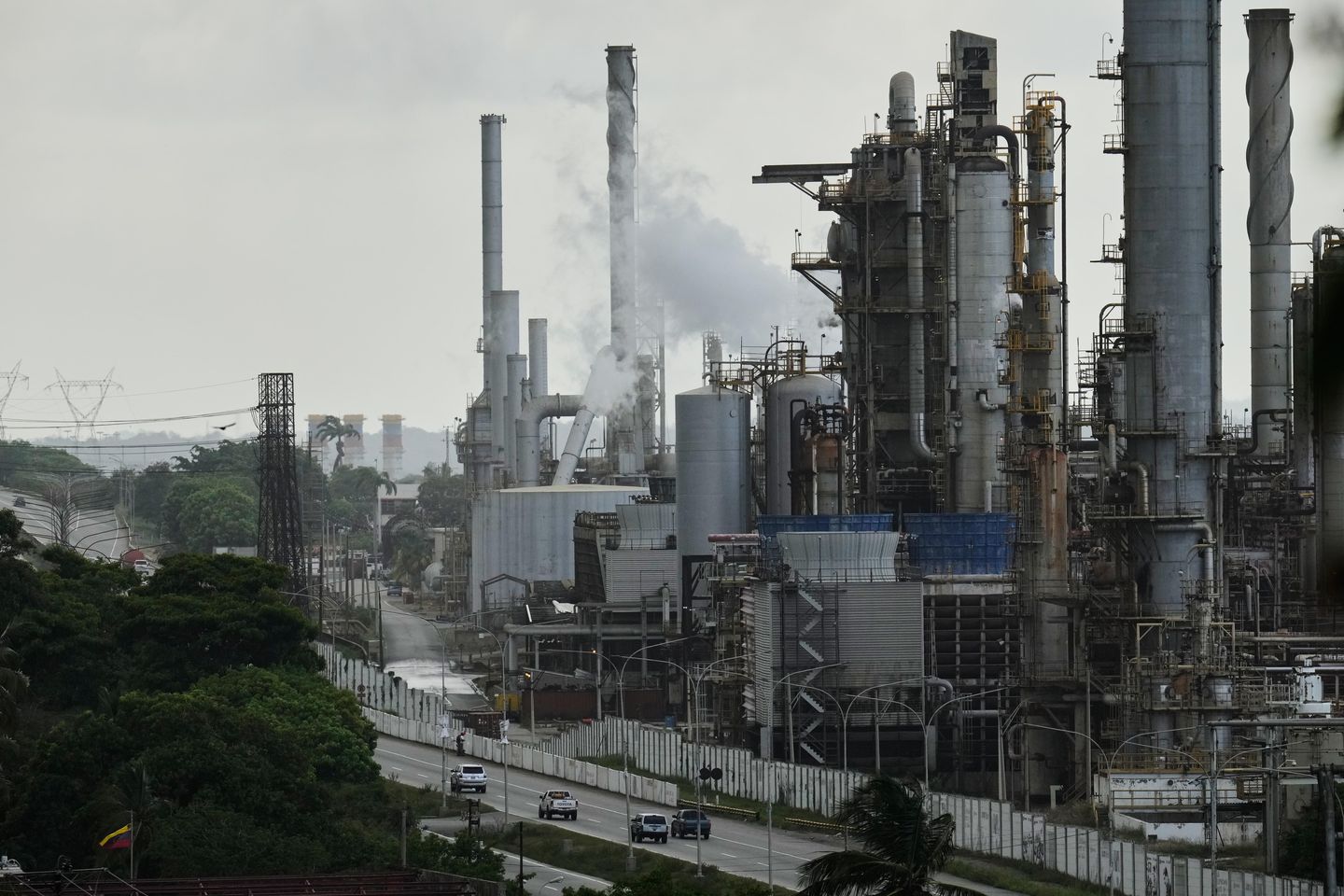
Energy Secretary Chris Wright is working with Caracas’s interim government to sell stored oil, rebuild infrastructure, and stabilize production. He described Venezuelan oil infrastructure as “not good,” signaling a lengthy project ahead. Wright emphasized that controlling oil flow, sales, and cash provides significant leverage for change.
Trump said the interim government will turn over 30 million to 50 million barrels of sanctioned oil to the U.S. for transport to American docks. Critics, including Senate Minority Leader Charles Schumer, questioned whether spending years and billions in Venezuela serves American interests. The administration maintains intervention benefits both nations, aiming to transform Venezuela into a productive Western Hemisphere ally and major oil supplier while abandoning ineffective previous approaches.
Read more: U.S. seizes Venezuelan oil tankers, starts to market crude for sale
This article is written with the assistance of generative artificial intelligence based solely on Washington Times original reporting and wire services. For more information, please read our AI policy or contact Ann Wog, Managing Editor for Digital, at awog@washingtontimes.com
The Washington Times AI Ethics Newsroom Committee can be reached at aispotlight@washingtontimes.com.