Don’t miss the full story from our staff writers, whose reportage is the basis of this article.
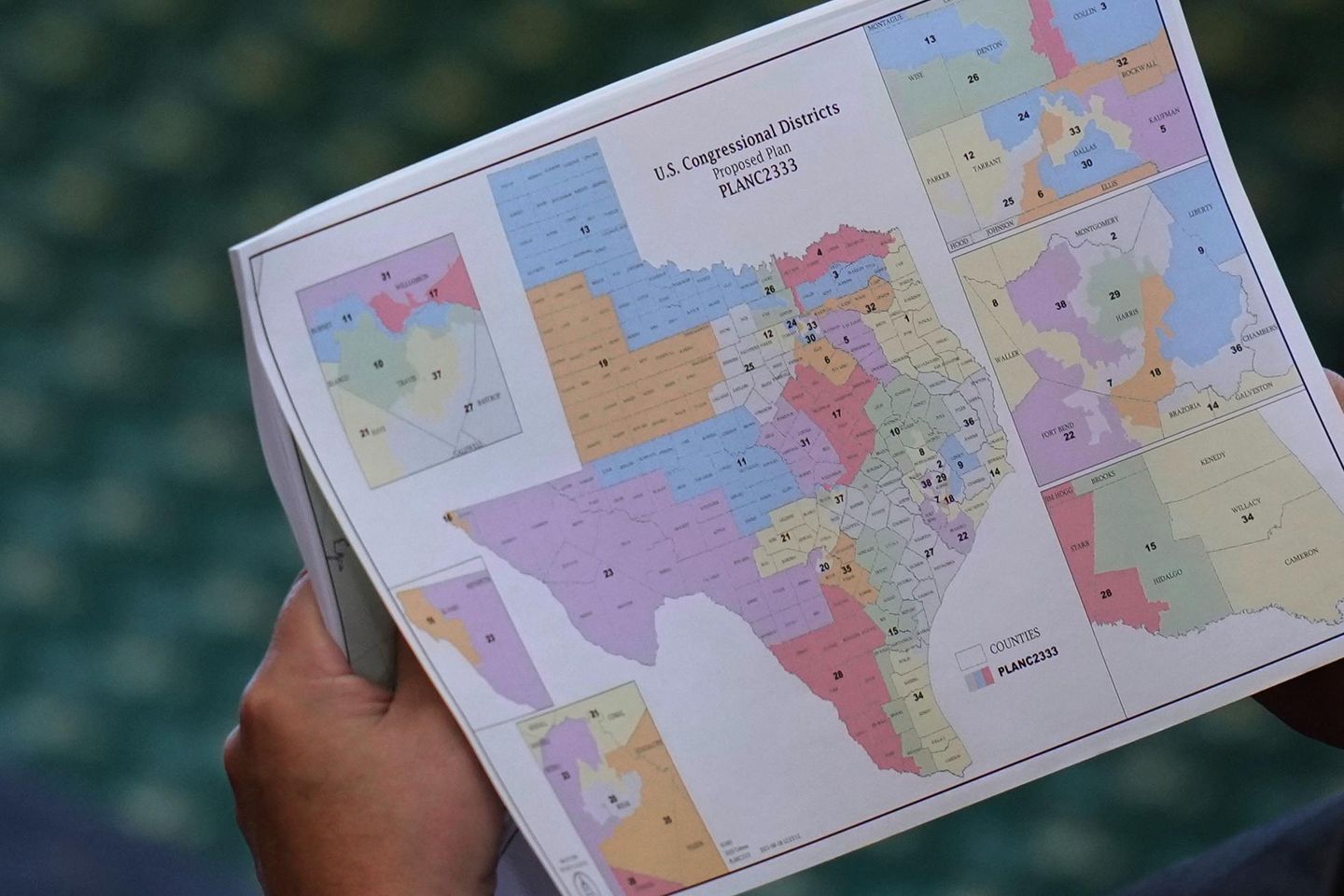
The Supreme Court ruled Thursday that Texas can proceed with its new Republican-drawn congressional map for the 2026 midterm elections, overturning a lower court decision that found the redistricting plan illegally diminished minority voting power. The unsigned majority opinion criticized the lower court for interfering with an active primary campaign and disrupting the federal-state balance in election administration.
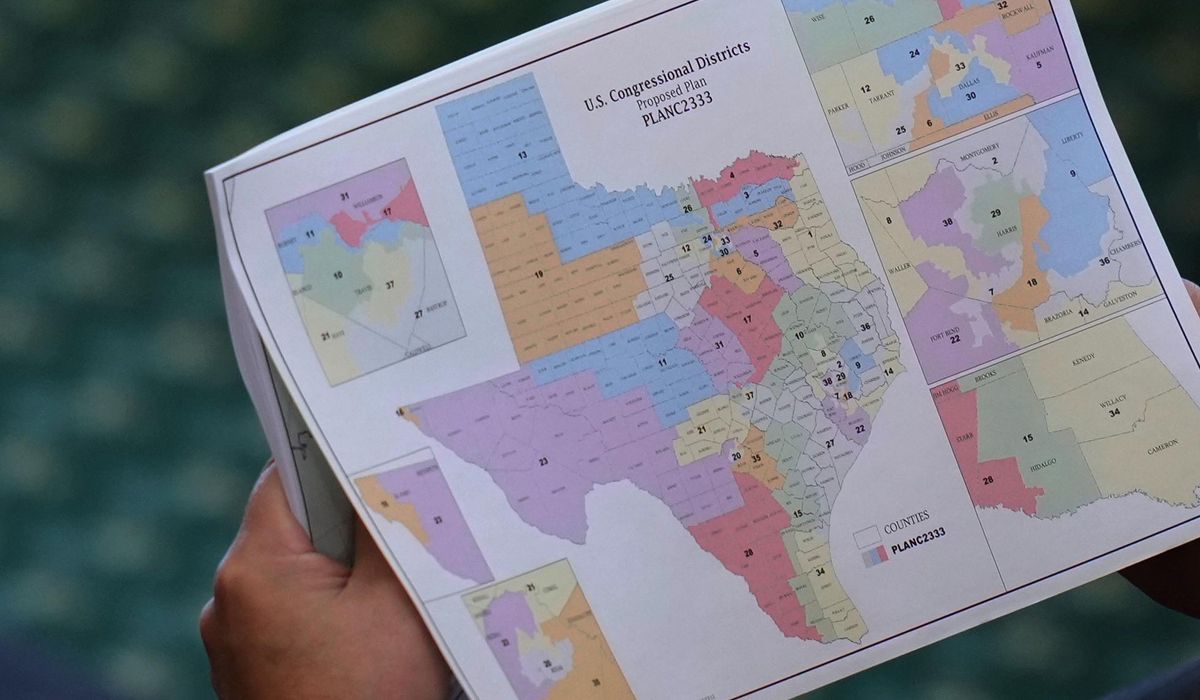
The controversy centers on Texas redrawing its congressional boundaries in the middle of the decade, rather than waiting until after the next census. The original map, created following the 2020 census, included several “coalition districts” where Black and Hispanic voters combined to form a majority—districts the state believed were required under the Voting Rights Act. However, the Trump Justice Department informed Texas this year that such districts might no longer be necessary and could even be unconstitutional.
Encouraged by President Trump, state Republicans pushed through the new map despite Democratic lawmakers initially fleeing the state to prevent a quorum. The redistricting could significantly impact Texas’ congressional delegation. Under the previous map, Democrats held 13 of 38 seats, representing 34% in a state where Vice President Kamala Harris received 42% of the vote. The new map could reduce Democratic representation to just eight seats, potentially giving Republicans five additional congressional seats.
Texas’ action triggered a nationwide redistricting chain reaction. California responded with its own map that could net Democrats five seats, while Missouri and North Carolina adopted more GOP-friendly boundaries.
Virginia is now rushing to create a more Democrat-friendly map.
The lower court had ruled 2-1 that while maximizing political power is permissible, eliminating the coalition districts constituted illegal racial gerrymandering. District Judge Vincent Brown, a Trump appointee, wrote in a 160-page opinion that the state lacked sufficient evidence to justify its consideration of race in redistricting.
However, Circuit Judge Jerry Smith dissented strongly, calling Judge Brown’s opinion “the most blatant exercise of judicial activism that I have ever witnessed.” Justice Samuel Alito echoed this view, stating the redistricting was motivated by “partisan advantage pure and simple.”
The Supreme Court’s three Democrat-appointed justices dissented from Thursday’s ruling. Justice Elena Kagan criticized the decision for disrespecting the district court’s thorough work and disserving millions of Texans who were reassigned to districts based on race.
Governor Greg Abbott celebrated the victory, declaring Texas “officially—and legally—more red.” Former Attorney General Eric Holder, now leading the National Redistricting Foundation, condemned the decision as undermining democracy and disenfranchising voters of color.
Read more: Supreme Court restores Texas’ GOP-friendly congressional map
This article is written with the assistance of generative artificial intelligence based solely on Washington Times original reporting and wire services. For more information, please read our AI policy or contact Ann Wog, Managing Editor for Digital, at awog@washingtontimes.com
The Washington Times AI Ethics Newsroom Committee can be reached at aispotlight@washingtontimes.com.