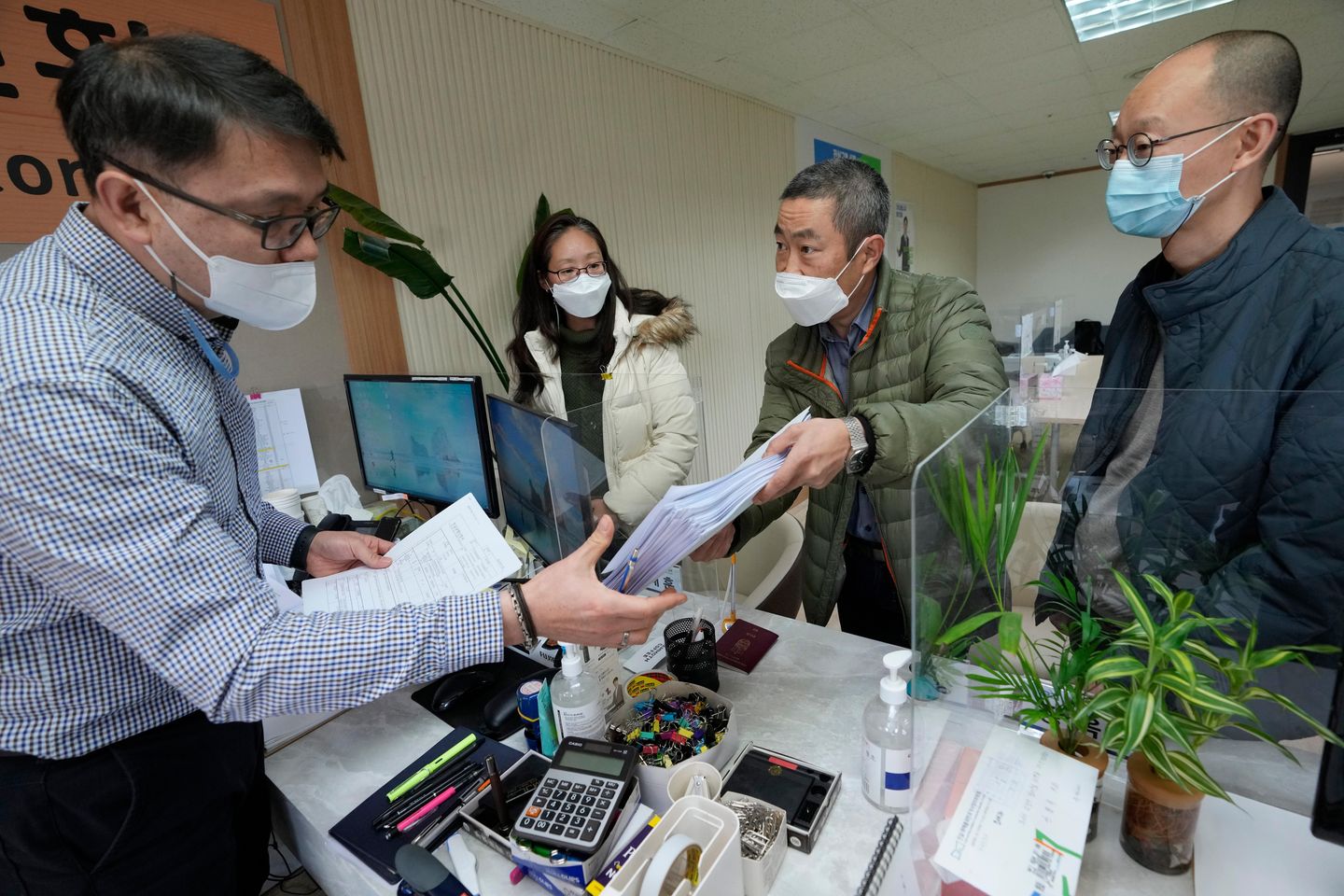
Don’t miss the full story, whose reporting from Kim Tong-hyung at The Associated Press is the basis of this artificial intelligence-assisted article.
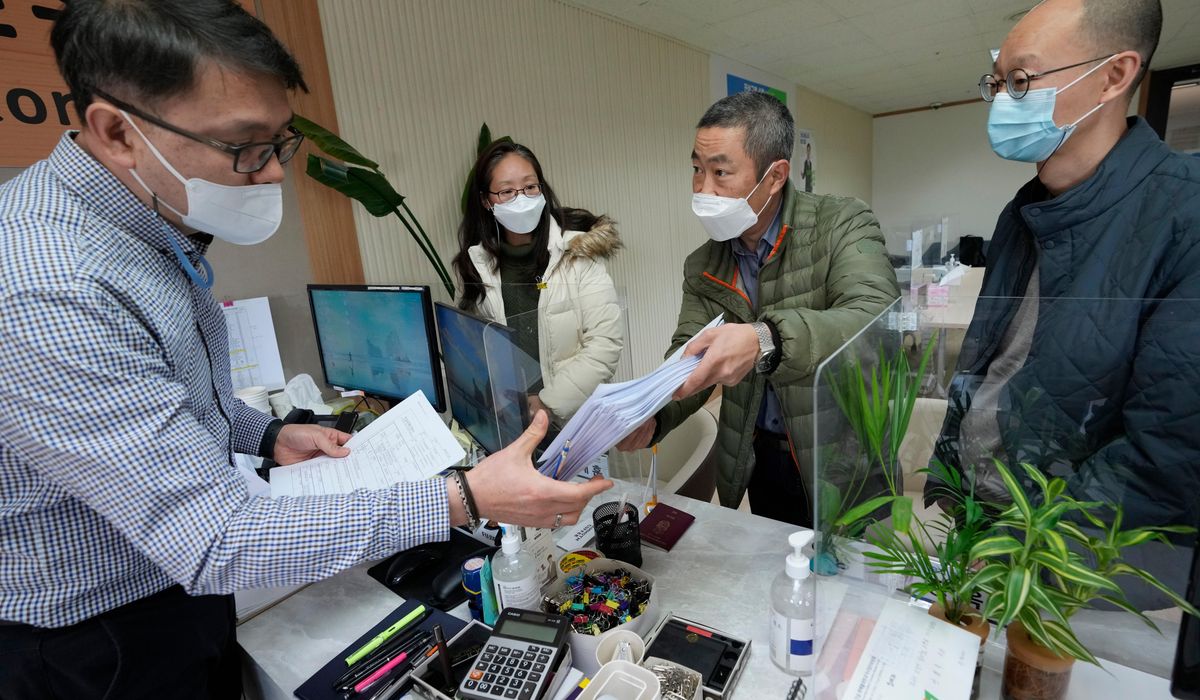
South Korea has relaunched its Truth and Reconciliation Commission to investigate widespread fraud and human rights abuses tied to the country’s decades-long foreign adoption program, inheriting thousands of unresolved cases and drawing renewed interest from adoptees worldwide.
• South Korea’s third Truth and Reconciliation Commission began accepting cases Thursday, inheriting more than 2,100 unresolved complaints from its predecessor, including 311 from Korean adoptees in Western countries.
• The previous commission suspended its adoption probe in April 2024 after confirming human rights violations in only 56 of 367 adoptee complaints, following internal disputes over which cases warranted recognition.
• South Korea sent an average of more than 6,000 children annually to Western nations during the 1980s, contributing to what may be the world’s largest diaspora of adoptees, totaling approximately 200,000 children over seven decades.
• A military government drove the adoption program partly to reduce welfare costs and limit population growth, with private agencies frequently manipulating children’s backgrounds and identities to keep adoptions moving.
• The Associated Press investigations, conducted in collaboration with Frontline (PBS), documented how South Korean and Western governments and adoption agencies continued operating despite years of evidence of corruption and illegal practices.
• South Korean President Lee Jae-myung issued a rare apology in October following the previous commission’s interim report, and his government later announced plans to phase out foreign adoptions entirely by 2029.
• The new commission carries stronger investigative powers than its predecessor, including the authority to seek search warrants if individuals or institutions refuse to provide evidence.
• Some adoptees plan to use commission findings to pursue damages suits against the South Korean government or adoption agencies, with concerns also raised about citizenship gaps affecting U.S.-based adoptees amid the Trump administration’s deportation push.
READ MORE: South Korea relaunching truth commission with focus on adoption fraud
This article is written with the assistance of generative artificial intelligence based solely on Washington Times original reporting and wire services. For more information, please read our AI policy or contact Steve Fink, Director of Artificial Intelligence, at sfink@washingtontimes.com
The Washington Times AI Ethics Newsroom Committee can be reached at aispotlight@washingtontimes.com.