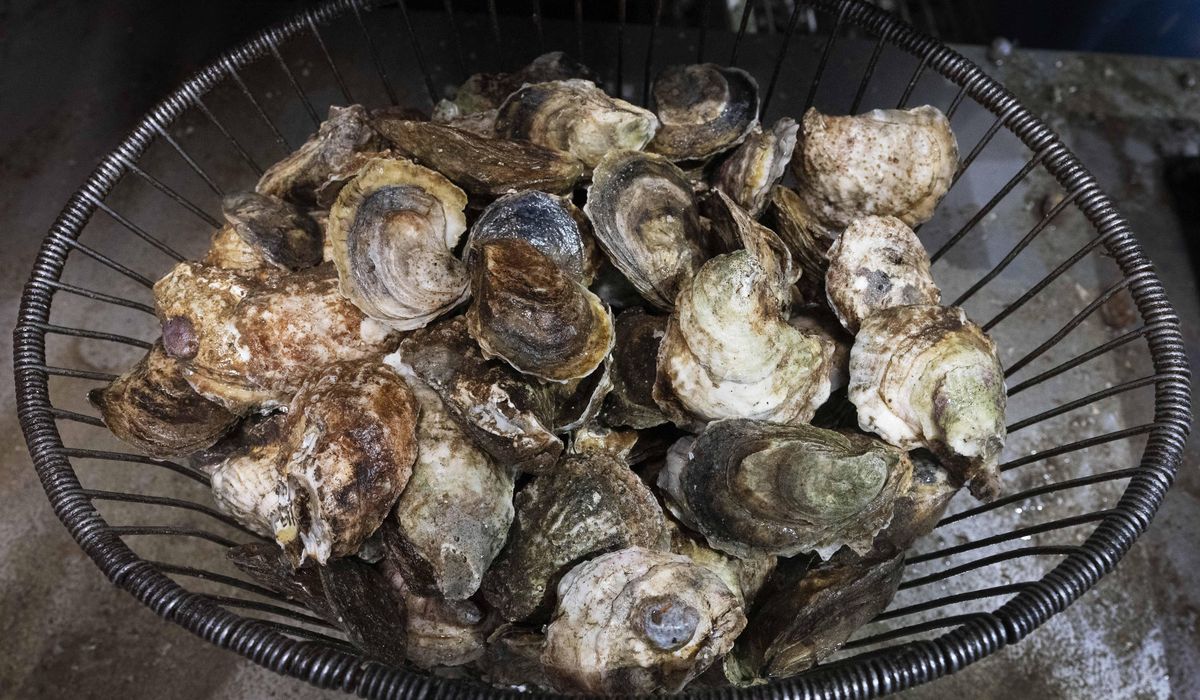
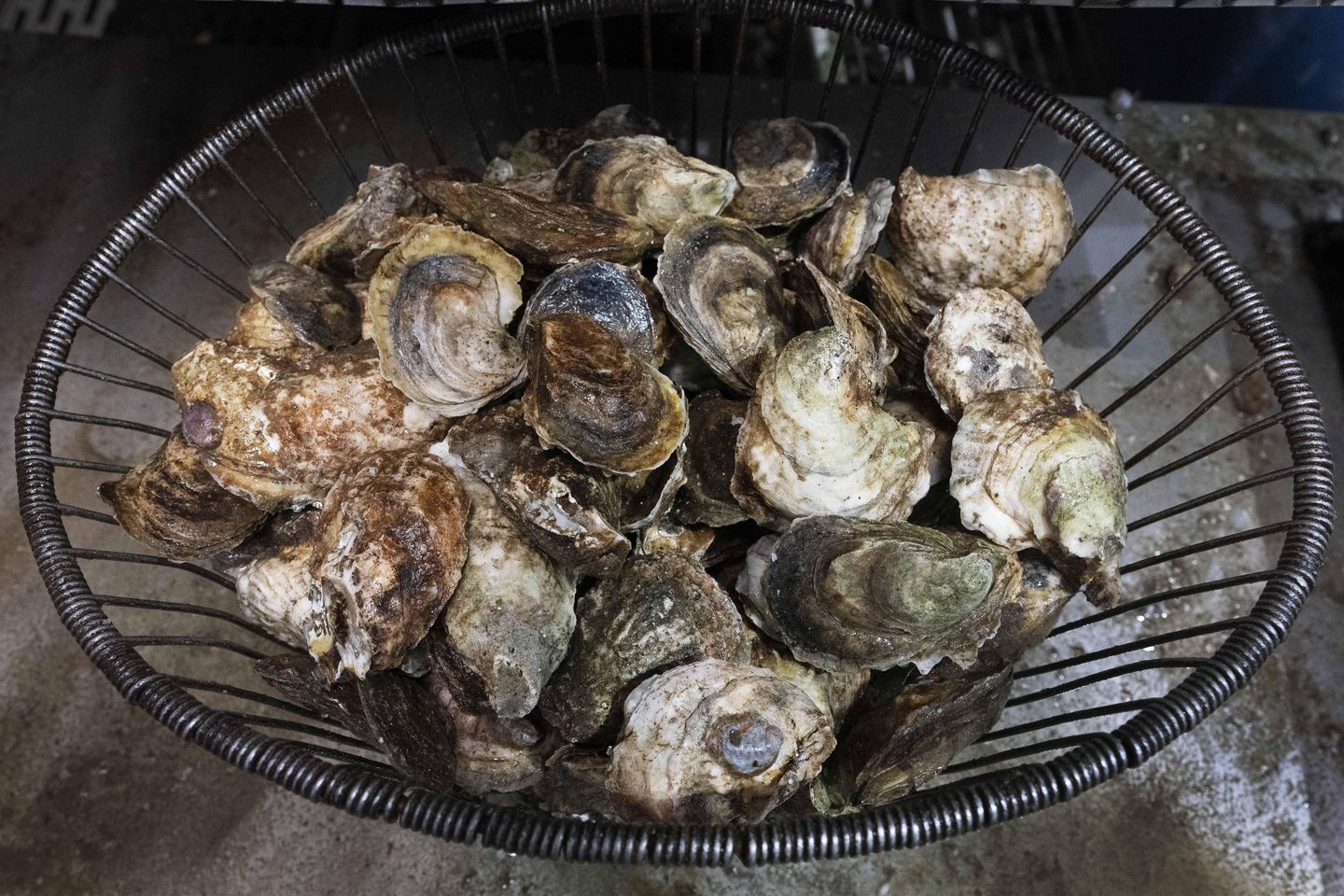
Health officials in Washington state and federal regulators are warning consumers to avoid certain raw oysters tied to a norovirus outbreak that has sickened people in Washington and prompted recalls and safety alerts in both the United States and Canada.
The outbreak began taking shape between January 18 and February 2, 2026, when 11 people from five separate meal parties in Washington state reported norovirus-like illness after eating raw oysters harvested from a specific growing area in British Columbia, Canada, according to the Washington State Department of Health.
The implicated source is British Columbia harvest area BC 17-20, known as Nanoose Bay, operated under Canadian license CLF #1401656 by Stellar Bay Shellfish Ltd., the FDA said.
The FDA issued a safety alert advising restaurants and retailers not to serve or sell, and consumers not to eat, oysters from that harvest area with original harvest dates between December 22, 2025 and February 4, 2026.
An earlier version of the alert covered only a handful of specific harvest dates, but on February 18 the agency expanded the advisory to cover the full date range after additional illnesses were reported.
The oysters were sold under four brand names — Kusshi, Chrome Point, Stellar Bay, and Stellar Bay Gold — and were distributed to restaurants and retailers in California, Colorado, Florida, Hawaii, Illinois, Maryland, Nevada, New York, Pennsylvania, and Washington, with the possibility of broader distribution to other states, the FDA said.
The FDA noted that food contaminated with norovirus may look, smell, and taste completely normal, making visual inspection an unreliable safeguard.
According to the Washington State Department of Health, symptoms typically appear within 12 to 48 hours of exposure and include vomiting, diarrhea, abdominal cramps, muscle aches, headache, fever, and chills. Most people recover within one to two days, though they can continue spreading the illness even after symptoms resolve.
The British Columbia oyster outbreak was not the only shellfish-related public health concern in the Pacific Northwest.
On March 5, the Washington State Department of Health issued a separate emergency closure for all recreational and commercial harvesting of clams, oysters, and mussels in Drayton Harbor, prompted by illnesses linked to raw oysters harvested there on February 13 and February 20, 2026.
A recall was issued for oysters and clams harvested between February 13 and February 23 from Drayton Harbor, with affected shellfish having been sold at the Drayton Harbor Oyster Company in Blaine and at Bellingham Dockside Market on February 21, Whatcom County officials said. Commercial and recreational harvesting at Drayton Harbor is anticipated to reopen on March 24, though the Drayton Harbor Oyster Company restaurant will remain open without serving any product from the affected growing area.
Washington State Department of Health officials notified the FDA on February 3 about the outbreak linked to oysters from the British Columbia harvest area. On February 5, the California Department of Public Health advised the FDA of a recall of certain oysters due to reports of norovirus-like illness. Canadian authorities also issued a recall covering oysters from the same harvest area.
Officials are urging consumers who recently purchased oysters to confirm where they were harvested and to discard them if that information cannot be verified.
This article was constructed with the assistance of artificial intelligence and published by a member of The Washington Times’ AI News Desk team. The contents of this report are based solely on The Washington Times’ original reporting, wire services, and/or other sources cited within the report. For more information, please read our AI policy AI policy or contact Steve Fink, Director of Artificial Intelligence, at sfink@washingtontimes.com
The Washington Times AI Ethics Newsroom Committee can be reached at aispotlight@washingtontimes.com.