Newly declassified emails reveal the FBI believed it lacked evidence to justify raiding President Trump’s Mar-a-Lago residence for classified documents in the summer of 2022.
Internal emails show that Biden administration Justice Department lawyers overruled attorneys in the FBI’s Washington Field Office who said they lacked probable cause, such as witness testimony, that there were classified documents on the premises.
The DOJ nonetheless pressured the FBI to execute the search warrant for the entire home, allowing them to conduct an unprecedented and sweeping raid of a former president’s residence at a time when Mr. Trump was considered a likely 2024 presidential candidate.
Before the raid, an unidentified official at the FBI’s Washington Field Office wrote that the bureau “does not believe and has articulated to the Department of Justice that we have established probable cause for the search warrant for classified records at Mar-a-Lago. DOJ has opined that they do have probable cause, requesting a wide scope including residence, office, storage space.”
Judiciary Committee Chairman Chuck Grassley called the revelations “shocking” and said the declassified material shows the Aug. 8, 2022, raid on Mr. Trump’s Palm Beach home “was a miscarriage of justice.”
The FBI raid confiscated boxes of documents that were used as evidence in special counsel Jack Smith’s prosecution of Mr. Trump on charges of mishandling classified material.
A grand jury later indicted Mr. Trump on 40 felony charges related to the documents. The case was thrown out in 2024 by a federal judge who agreed with defense lawyers that Mr. Smith was illegally appointed by the Justice Department.
The newly released emails document the FBI’s efforts to convince the Justice Department to put off the raid and instead negotiate with Mr. Trump’s lawyer, Evan Corcoran, over the return of boxes of information that the National Archives said contained classified information or presidential records that belonged to it.
Mr. Trump had agreed to turn over some of the material and sent some boxes back to Washington two months before the June raid.
Mr. Trump, an FBI official in the Washington Field Office, wrote, “stated at the time [the FBI] retrieved the classified records in June that he would be willing to assist and cooperate. Logically, if we have additional questions about the location of classified documents, he would be a witness to interview. This could also be posed to Corcoran when contacted.”
But the DOJ was in no mood to negotiate with Mr. Trump or his lawyer on the remaining boxes of material, the emails show.
Mr. Trump, at the time, publicly justified taking documents that he said he had declassified under his authority as president.
The FBI emails ahead of the raid reveal DOJ lawyers were “adamant that no accommodation would be given and that they would not reach out to the attorney” for the former president.
The raid on Mar-a-Lago stunned the nation. Agents entered the estate late on the evening of Aug. 8, scheduling their arrival to coincide with Mr. Trump’s absence.
They broke open his safe, rifled through his office and other rooms in the club and even searched then-former first lady Melania Trump’s bedroom and closet.
“These are dark times for our Nation, as my beautiful home, Mar-a-Lago in Palm Beach, Florida, is currently under siege, raided and occupied by a large group of FBI agents,” Mr. Trump said in a lengthy statement the day of the raid. “After working and cooperating with the relevant government agencies, the unannounced raid on my home was not necessary or appropriate.”
Before the raid, the Justice Department shrugged off the FBI’s effort, once the search warrant was approved, to “be mindful of the optics of the search” and handle it “in a professional, low-key manner.”
Then-Deputy Assistant Attorney General George Toscas wasn’t interested in the FBI’s approach, an agent reported in an email, and said he did not “give a damn about the optics.”
The FBI was essentially ordered to sign off on the search warrant, despite FBI lawyers warning just weeks before the raid that they did not have “any new facts” justifying the search, such as a witness reporting new information about classified documents at the home.
On July 12, the FBI officials, under pressure by the Justice Department, continued to push back against the search warrant, adding that they lacked probable cause to search the former president’s Mar-a-Lago office or bedroom “due to recency and issues of boxes versus classified information.”
On July 13, FBI lawyers said the effort to justify a search warrant was going nowhere.
An unidentified FBI official wrote to the FBI’s office of the general counsel: “It is time-consuming for the team, and not productive, if there are no new facts supporting [probable cause]?”
The House Judiciary Committee on Wednesday is slated to interview Mr. Smith in a closed-door deposition.
Mr. Smith had charged the president with felony violations of national security laws and participation in a conspiracy to obstruct justice.
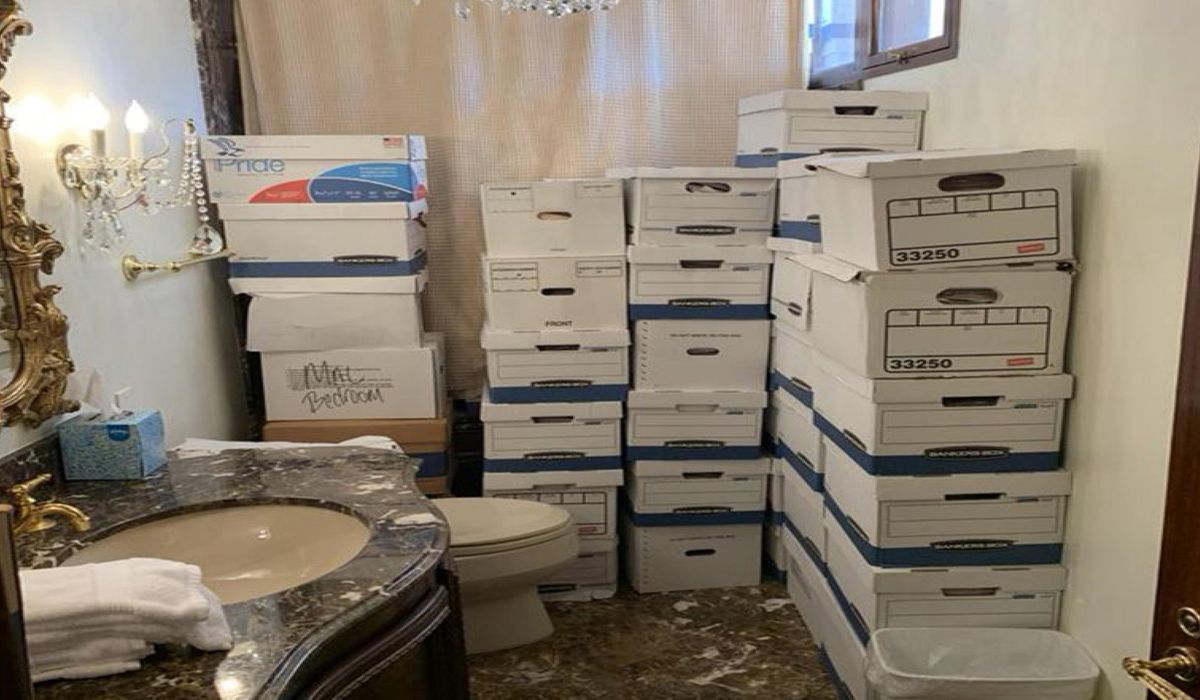
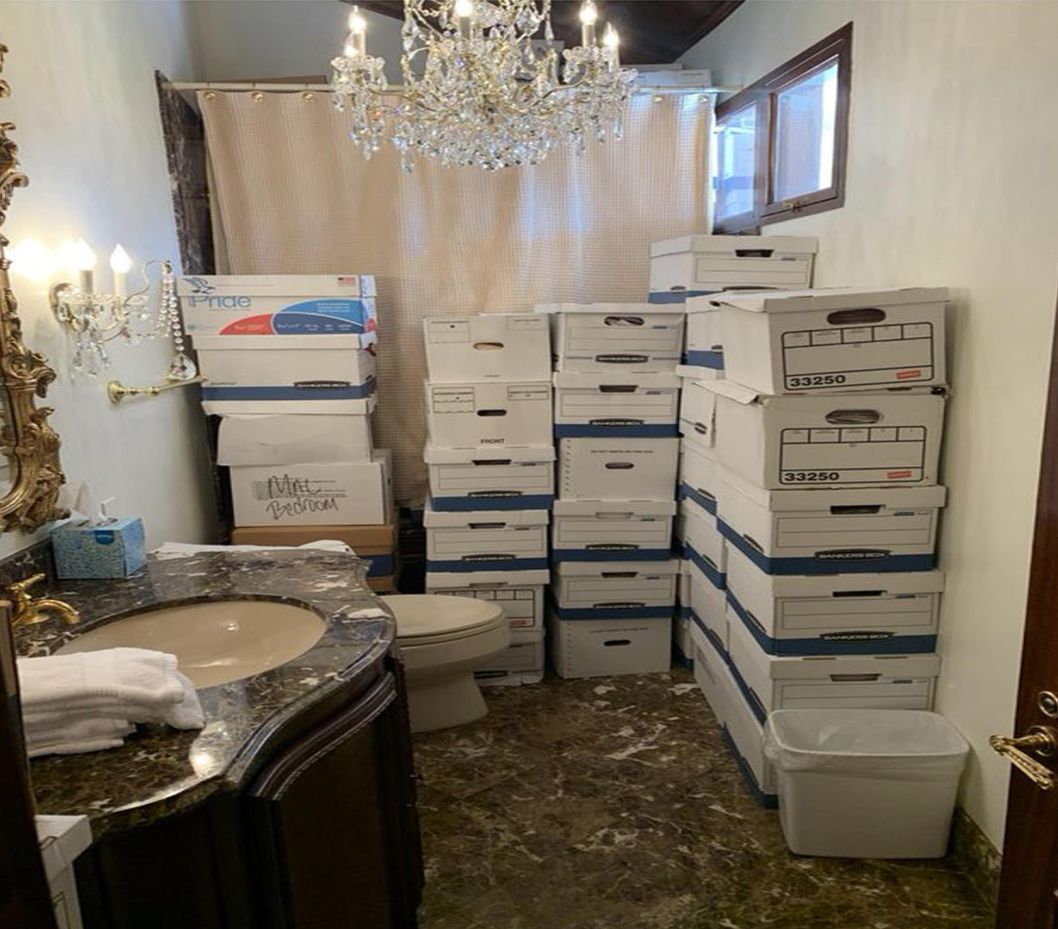
The indictment accused Mr. Trump of improperly storing boxes of classified documents, leaving them in the club ballroom and in a bathroom. Mr. Trump was also accused of sharing classified information stored at his club that related to an ongoing military operation.
Presidents have broad authority to declassify material, but legal experts say a formal procedure is required to carry out declassification.
“Our laws that protect national defense information are critical to the safety and security of the United States, and they must be enforced,” Mr. Smith said at the time. “Violations of those laws put our country at risk.”
Mr. Toscas, a senior counterterrorism lawyer with the Justice Department, was removed from his job in January.