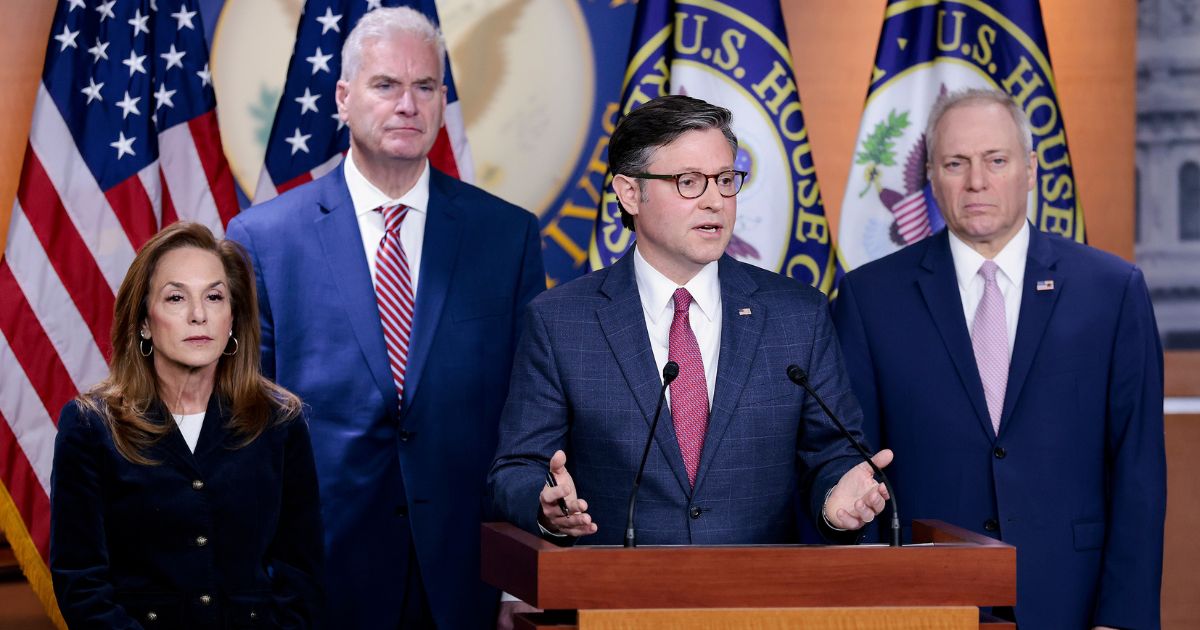
As Congress looks for a new direction in health care legislation, Obamacare subsidies are not on the list of options being considered by either house.
House Republican leaders offered a list of 10 concepts Tuesday, none of which included the subsidies, according to Politico.
There were a few specifics, including expanded health savings accounts, an overhaul of pharmaceutical benefit manager oversight, or increased use of Association Health Plans, which allow employers to join together to buy coverage for their employees.
The list noted that “Republicans are working to lower health care costs for everyone.”
🚨BREAKING NEWS —
HERE is the health care slide that House Republican leadership presented to the rank and file today.
These are the policies that the GOP is considering passing this month. https://t.co/I4DrqoKdlm
— Jake Sherman (@JakeSherman) December 10, 2025
The list was not a hit with Republican Rep. Jen Kiggans of Virginia, who said there would be significant political consequences if the subsidies currently in place to reduce Obamacare costs are allowed to expire.
“There was a general uneasiness because nothing is coming together,” a House Republican whose name was not used said.
“We wasted so much time,” a conservative Republican said.
“There was no consensus,” Republican Rep. Ralph Norman of South Carolina said.
As this year winds down, votes could be taken on expanding health savings accounts or creating a program to trim costs for Obamacare enrollees, but not on expanding the subsidies, Politico wrote, citing as its source GOP legislators it did not name.
House Speaker Mike Johnson indicated that work on a new health care plan could continue through early next year.
Over in the Senate, there are multiple plans being considered, according to Axios.
A plan from Republican Sens. Mike Crapo of Idaho and Bill Cassidy of Louisiana proposes that some Obamacare enrollees would get from $1,000 to $1,500 in health savings accounts to help deal with health care costs.
Republican Sens. Bernie Moreno of Ohio and Susan Collins of Maine are embracing the idea of phasing out the subsidies over two years while limiting eligibility and forcing enrollees to make a minimum payment as a way to fight fraud.
🚨 TRUMP DROPS TRUTH BOMB: “Obamacare was set up to take care of insurance companies, not Americans. I love the idea of money going directly to the people, not to the crooks.”
pic.twitter.com/EQdztYTOC1— Gunther Eagleman™ (@GuntherEagleman) December 9, 2025
Republican Sen. Roger Marshall of Kansas offered a bit of both ideas. His plan would end subsidies after one year and then create health savings accounts.
Democrats are unlikely to support any of the options and will instead be pushing to extend the subsidies as they are for three years, which Republicans are not expected to support.
Senate Majority Leader John Thune said he thinks some Democrats who want a bipartisan deal have been relegated to spectator status while the vote on extending subsidies takes place.

Advertise with The Western Journal and reach millions of highly engaged readers, while supporting our work. Advertise Today.