The USS Gettysburg shot down an F-18 Super Hornet fighter in December 2024 after mistaking it for an incoming missile.
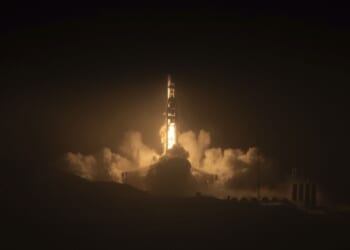
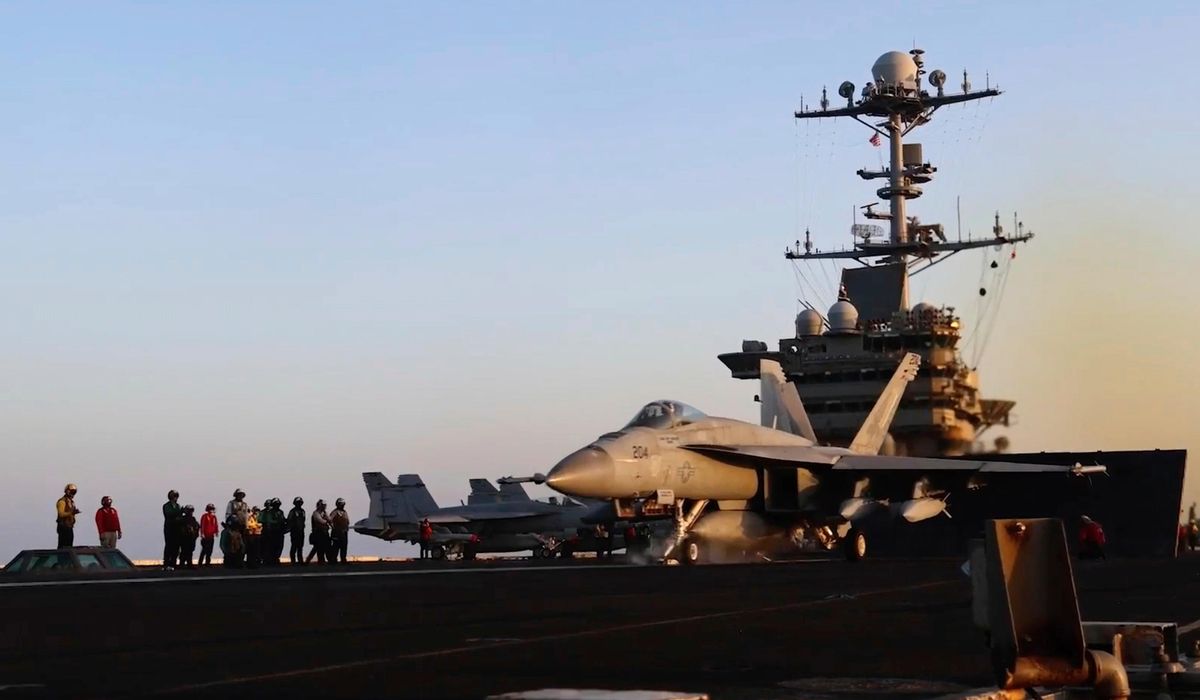
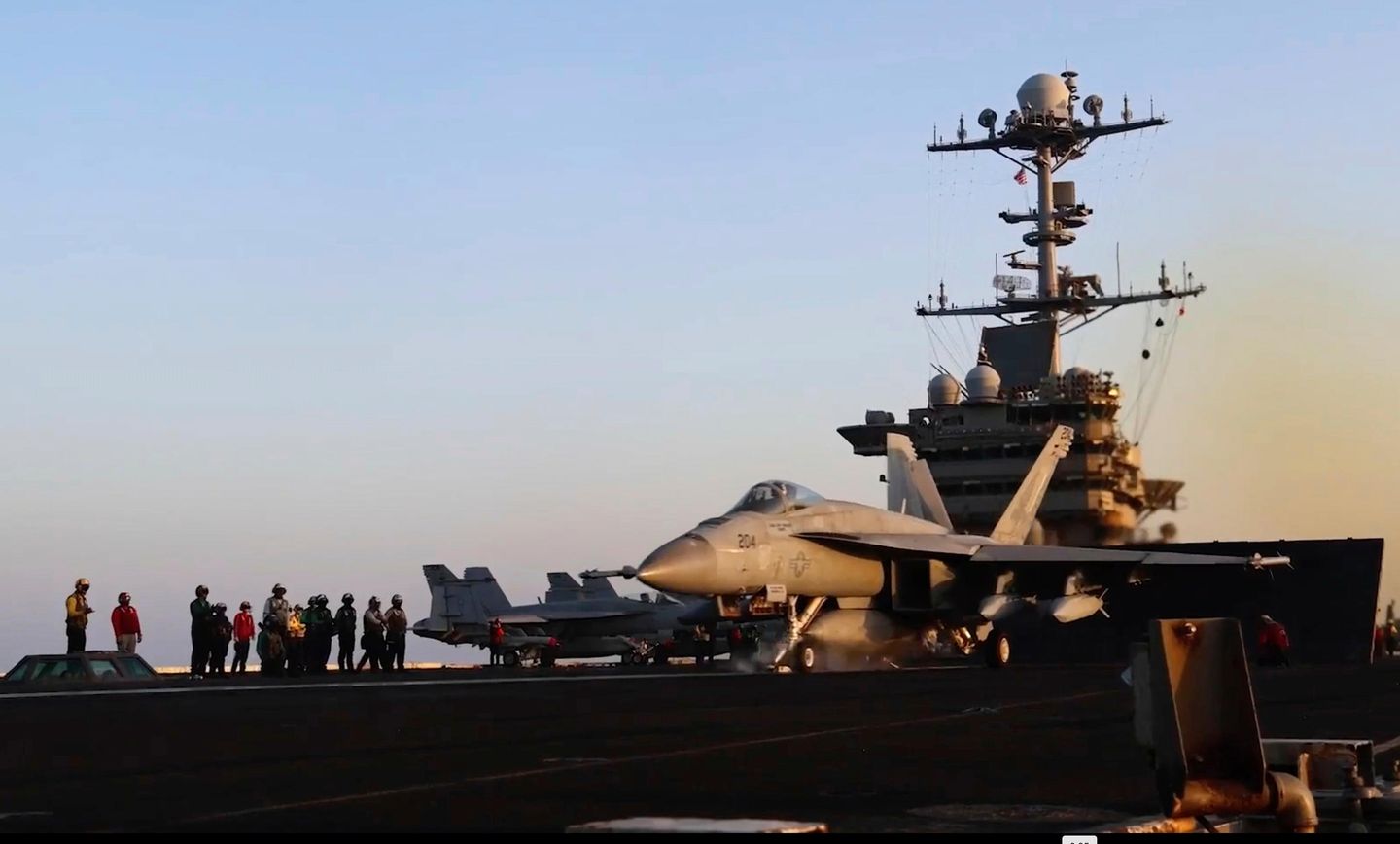
The jet was among a wave of F-18s from the USS Harry S. Truman aircraft carrier returning from a mission to attack Houthi targets in Yemen when the Gettysburg launched a pair of SM-2 surface-to-air missiles.
The “friendly fire” incident was the first in a string of serious mishaps during the Truman Carrier Strike Group’s September 2024 to June 2025 deployment to the Middle East.
The USS Truman would lose two other F-18s and collide with a merchant ship near the mouth of the Suez Canal before June 1, when it returned to its home port in Norfolk. Navy investigations released this week characterized each incident as preventable.
“The Navy is committed to being a learning organization,” Adm. Jim Kilby, the vice chief of naval operations, said Thursday. “These investigations reinforce the need to continue investing in our people to ensure we deliver battle-ready forces to operational commanders.”
On Dec. 22, 2024, a shift change occurred in the Gettysburg’s Combat Information Center while the F-18s were returning to the Truman. The new operators were unaware of a malfunction in the guided missile cruiser’s Identification Friend or Foe [IFF] system, which automatically tracks friendly targets.
For them, the returning F-18s appeared on their screens as unknown contacts. That was despite “multiple data points” that should have indicated that they were friendly aircraft, according to the report.
The pilot and Weapons Systems Officer ejected just before the cruise missile struck their F-18. They were later pulled from the water. The Gettysburg also launched an SM-2 at a second Super Hornet from the Truman, but the missile deactivated before impact.
The captain of the USS Gettysburg was relieved of duty after a standard two-year tour. While the redacted investigative report doesn’t say if he was fired for cause, his actions that day were questioned.
“The Commanding Officer had low situational awareness, and his Combat Information Center team was unable to help him regain it,” the report stated. “[His] decision to engage was neither reasonable nor prudent and could have been prevented.”
About two months later, the Truman collided with a merchant vessel near Port Said, Egypt, at the northern end of the Suez Canal. The aircraft carrier was moving to its loiter position — where it would await transit through the canal — when it collided with the M/V Besiktas-M, a Panamanian-flagged bulk carrier. The civilian ship had just completed a passage through the canal and was heading to its next port call, Navy officials said.
There were no reported injuries, but a platform near one of the aircraft elevators was damaged, and the Besiktas-M cut into the hull of the Truman.
The investigators attributed the collision to poor seamanship and a lack of training among the bridge crew. They found improperly recorded deck logs and noted poor communication between the crew. The Suez Canal Authority recommends that ships approach the vital waterway at a speed of approximately 7 to 8 knots, about 8 to 9 mph.
“The bridge team failed to execute the approved plan and continued at 19 knots in a highly dense traffic area until the collision,” the report stated.
A minor change in the angle of the collision between the vessels could have been catastrophic. “Had the collision occurred 100 feet forward, the impact would have likely pierced a berthing compartment with 120 sleeping sailors,” the report stated.
Capt. Dave Snowden, the commander of the Truman, was relieved after the collision due to a loss of confidence in his ability to lead the aircraft carrier and crew, Navy officials said.
About two months later, investigators blamed equipment failure for the loss of two F-18 Super Hornets. On April 28, a fighter jet and a tow tractor both went overboard and sank into the Red Sea when the Truman made an evasive maneuver to avoid an incoming missile.
A team in the carrier’s hangar bay was rearranging aircraft when the Truman’s bridge team ordered an evasive maneuver to avoid the missile. The chocks and tie-down chains of the F-18 had been removed so the carrier doors could be closed. The jet then rolled off the ship and into the Red Sea, pulling the tractor with it.
“The loss of the F/A-18F was primarily attributed to brake system failure,” the report stated. “Insufficient communication between the bridge, flight deck control, and hanger bay control significantly contributed to the incident.”
A third F-18 aboard the Truman was lost on May 5 due to the failure of an arresting wire used to capture aircraft when they land aboard the carrier. The pilot was unable to carry out a “touch and go” landing when the wire split due to a malfunctioning starboard “sheave damper,” a kind of hydraulic shock absorber.
The jet’s landing appeared normal when it caught the wire, Navy officials said.
“Witnesses heard a loud ‘boom’ and observed a large amount of sparks and flames,” the report stated. “The jet didn’t stop and didn’t have enough airspeed to fly away, resulting in the aircraft impacting the water in the Red Sea.”
The flight crew ejected and were successfully recovered, Navy officials said.
A high operational tempo aboard the Truman, inadequate manning levels and poor training were among the concerns that investigators had about the loss of the jet fighter. Contributing factors included substandard maintenance practices and an overall “low level of knowledge” among the carrier’s arresting gear team.
“The high operational tempo and combat conditions also contributed to a strained environment” aboard the Truman, Navy officials said.
The Navy’s sustained combat operations in the region over the past two years demonstrate the service’s “battle effectiveness and ability to maintain freedom of navigation,” Adm. Kilby said. “As we reflect on these incidents and ongoing improvement efforts, the Navy remains laser-focused on producing battle-ready sailors.”