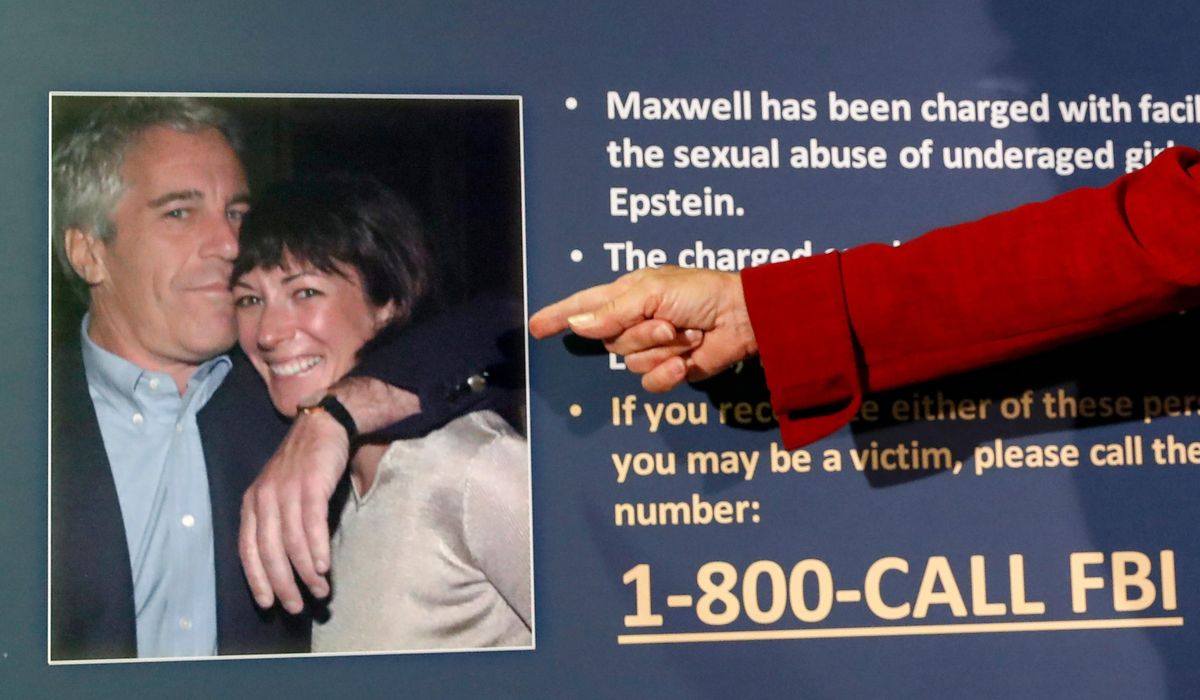
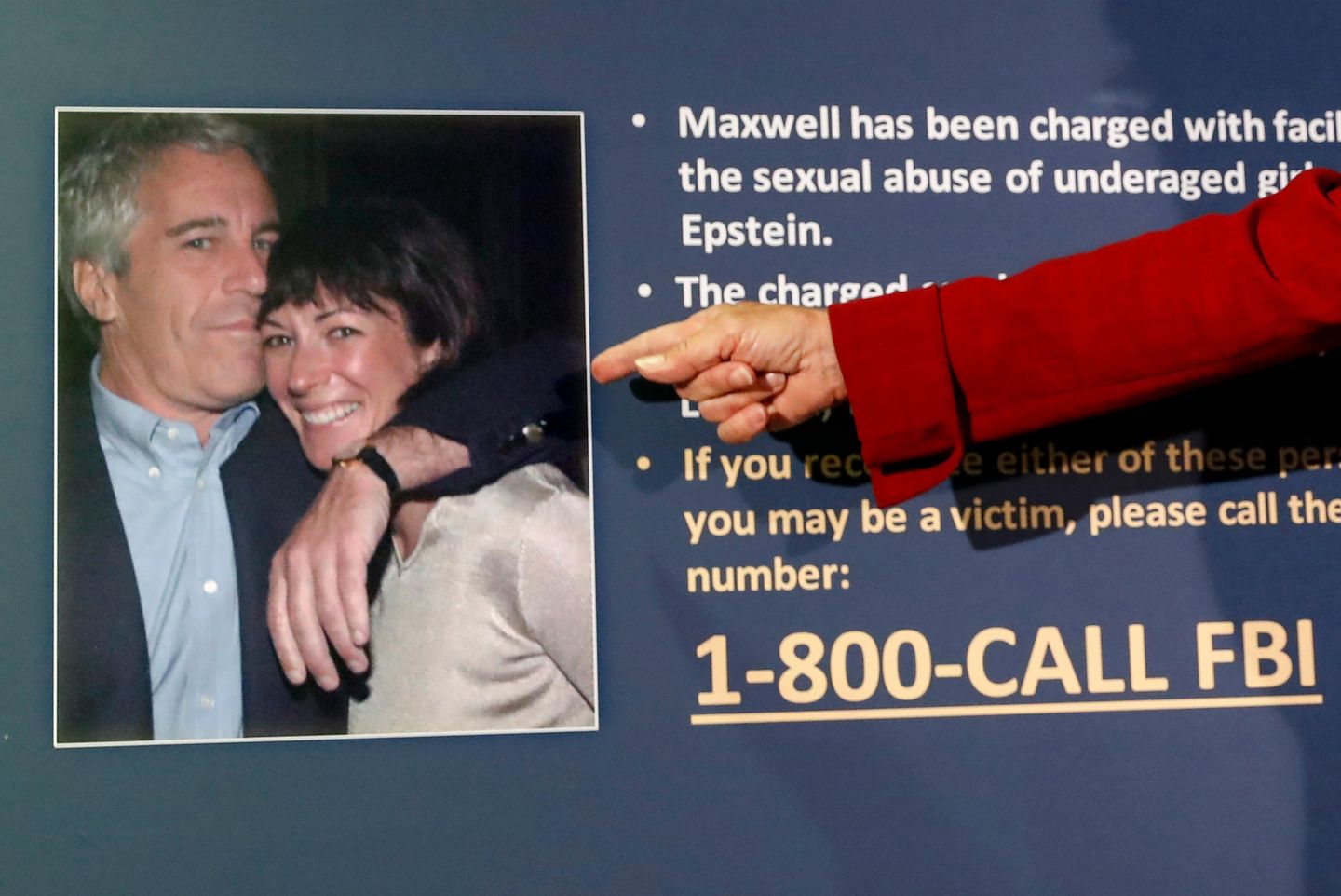
A federal judge on Tuesday approved the Justice Department’s request to release files relating to sex trafficker Jeffrey Epstein that were kept under seal as part of the case against his accomplice, Ghislaine Maxwell.
Judge Paul Engelmayer said the new law passed by Congress and signed by President Trump ordering the release of Epstein documents does cover secret grand jury proceedings in the late financier’s case as well as what the judge described as “extensive” material that federal investigators developed during the case and turned over to Maxwell’s defense team.
Judge Engelmayer said the Justice Department has pledged to redact victims’ names from the material, and he ordered the U.S. attorney in Manhattan to “personally certify” it’s carried out.
He ordered release of both grand jury and “discovery” materials.
The judge said the grand jury information is likely to be a disappointment to those expecting smoking guns.
“The materials do not identify any person other than Epstein and Maxwell as having had sexual contact with a minor. They do not discuss or identify any client of Epstein’s or Maxwell’s. They do not reveal any heretofore unknown means or methods of Epstein’s or Maxwell’s crimes. They do not reveal new venues at which their crimes occurred. They do not reveal new sources of their wealth,” the judge wrote.
It’s not clear what’s in the discovery materials, though Judge Engelmayer described it as extensive.
His ruling follows that of another federal judge in Florida last week who approved release of previously secret grand jury material from the first investigation into Epstein two decades ago.
That initial probe led to an unusual secret deal where Epstein avoided federal prosecution by pleading guilty to state charges of soliciting underage girls for sex. He served a little more than a year in a work-release program.
In 2019, federal authorities brought new charges of sex trafficking against Epstein. He would commit suicide while awaiting trial.
A year later, authorities charged Maxwell with assisting the sex trafficking enterprise. She was convicted in 2022, and her appeals of her conviction were rebuffed by appeals courts, including the Supreme Court, in October.
Her case produced a massive amount of evidence that has been the subject of demands for release.
The Justice Department first asked Judge Engelmayer to unseal the grand jury transcripts and exhibits over the summer. He denied that request, finding grand jury secrecy rules overrode the public interest.
He pointed to the decision of the judge who oversaw the trial. That protective order was intended to protect victims, as well as not undermine Maxwell’s trial, Judge Engelmayer said.
Then Congress passed the Epstein Files Transparency Act last month, which the judge said specifically ordered release of Epstein documents. He said grand jury and discovery material from his case qualify.
The law allows for exceptions and redactions where release would be a “clearly unwarranted invasion of personal privacy” — though the act says embarrassment of public officials is not a reason to withhold documents.
Judge Engelmayer said they had reason to worry.
“In its two rounds of applications to this Court to disclose records, DOJ, although paying lip service to Maxwell’s and Epstein’s victims, has not treated them with the solicitude they deserve,” he wrote in his Tuesday order.
He said the Justice Department didn’t consult with victims before making its July demand to unseal the files, nor its November request after the Epstein Files Act was passed.
Judge Engelmayer said he had to step in and ask for the victims’ input himself.