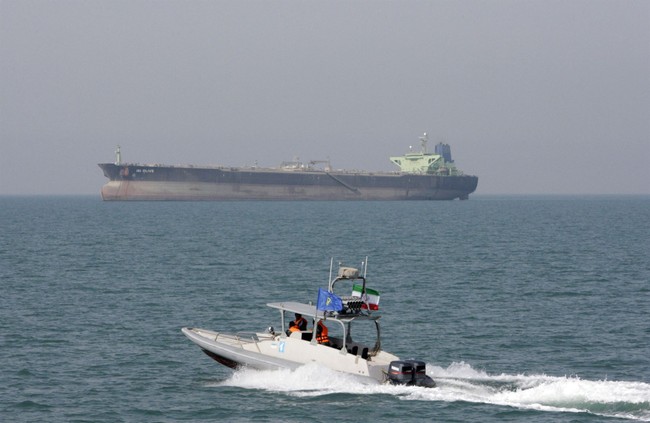
Iranian missiles and drones attacked at least five vessels in the Strait of Hormuz on Wednesday, signaling a major escalation by Iran in the war. The attacks resulted in the virtual closure of the strait to normal maritime traffic.
About 20% of the world’s oil moves through the strait every day. Despite the release of 400 million barrels of oil from global reserves, Brent crude prices have shot up to $120. Analysts predict further price spikes as long as the straits remain under severe threat.
President Trump officially authorized full-scale escort operations on March 10, 2026, to restore energy flows after traffic in the Strait of Hormuz dropped by over 95%. Currently, the Navy is clearing mines and preparing regular commercial escorts, which are still being phased in as the military focuses on neutralizing Iranian offensive capabilities first.
The Pentagon believes that eight to 10 destroyers could escort groups of tankers, but it’s estimated that only a fraction of traffic through the strait could be restored.
In operations of this sort, the advantage lies with Iran.
“In today’s context, sending warships or civilian vessels into the Strait of Hormuz would be suicidal,” French Navy retired Vice Adm. Pascal Ausseur said in an interview with The Associated Press. There’s no room for warships to maneuver, making them inviting targets for Iranian drones. Countermeasures are effective only to a point.
Axios reports that “Eurasia Group pointed to an assessment by the 47-nation naval partnership Joint Maritime Information Center that ‘maritime industry stakeholders should anticipate a deliberate and methodical plan focused on ensuring safe and secure vessel movements’ when ‘conditions permit.'”
Unfortunately, that plan won’t be ready until the end of March or early April.
Related: ‘Fingers on the Trigger’: Iran’s Police Chief Issues Crude Warning to Protesters in Iran
Meanwhile, Iran is going all-out to force the U.S. to come to the table. They are ready to inflict maximum pressure on the U.S. economy not only by closing the strait, but by attacking other U.S. financial interests in the region. Iran says it’s ready for “a long-term war of attrition that will destroy the entire American economy.”
Iran can reach all of the Strait of Hormuz and its approaches with anti-ship cruise missiles that it developed off Chinese-made weapons, according to mapping by the U.S. Defense Intelligence Agency. It can also target vessels with longer-range missiles, drones, fast attack craft and naval mines, which it used during the Iran-Iraq war. U.S. strikes on mine-laying Iranian vessels in this latest conflict underscore the gravity of that danger.
With war raging, the Hormuz passage is “very, very dangerous” and the risks for shipping are “much greater” than in the Red Sea against the Houthis, Olhagaray said.
“The means to counter this threat must be far more substantial and far more effective,” he said. “Before the heat can decrease … most of the offensive installations on land in Iran would have to be eliminated. There would need to be constant monitoring, patrols, extremely close surveillance, and a very high level of intelligence to be able to say that it would be possible to allow tankers to transit, even with military escorts.”
The closing of the Strait of Hormuz was anticipated from the start of the war. How long it remains closed will depend on how much economic pain the U.S. is willing to endure. Ultimately, it will depend on achieving U.S. and Israeli war aims and trying to ensure that Iran is unable to build nuclear weapons and ballistic missiles for a long time.
PJ Media will give you all the information you need to understand the decisions that will be made this year. Insightful commentary and straight-on, no-BS news reporting have been our hallmarks since 2005.
Get 60% off your new VIP membership by using the code FIGHT. You won’t regret it.