Don’t miss the full story from our staff writers, whose reportage is the basis of this article.
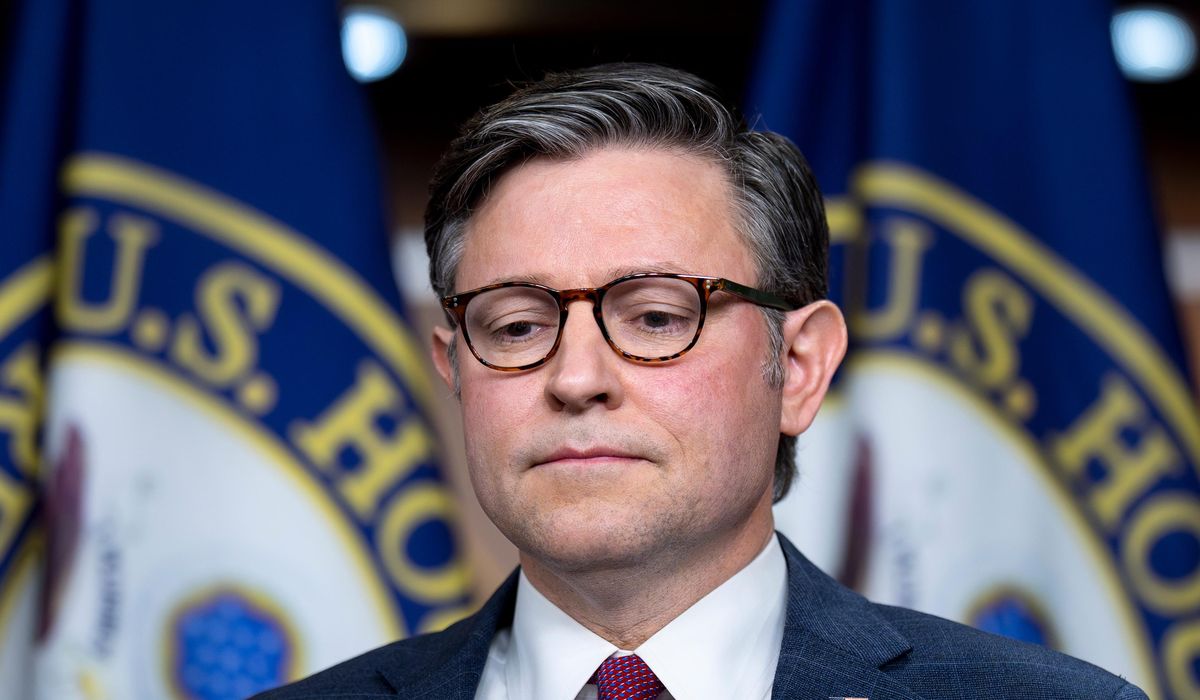
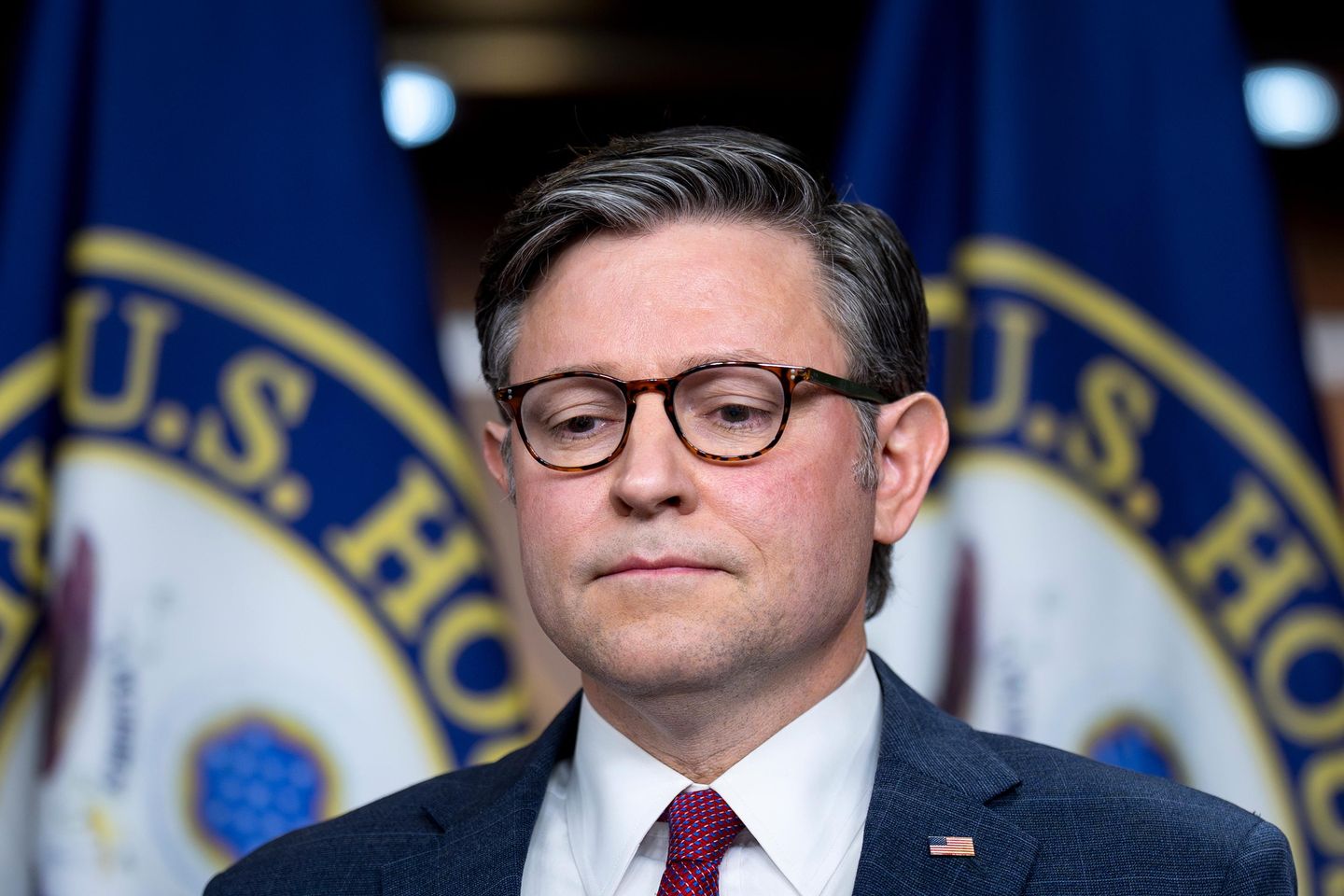
House Speaker Mike Johnson expressed confidence that swing-district Republicans upset about not renewing expiring Obamacare subsidies will ultimately support the GOP’s broader health care bill scheduled for a Wednesday vote. The legislation focuses on providing consumers more health insurance choices and prescription drug price transparency, offering what Republicans call solutions for all Americans rather than just the 7% enrolled in Obamacare.
The controversy centers on COVID-era enhanced premium tax credits set to expire December 31. Swing-district Republicans, including Rep. Mike Lawler of New York, have demanded votes on bipartisan proposals to temporarily extend these subsidies with fraud prevention measures. Lawler criticized both Republican leadership for blocking votes and Democratic leaders for refusing to support bipartisan compromise bills while pushing a clean three-year extension already rejected by the Senate.
Republicans attempted over the weekend to accommodate swing-district members but couldn’t agree on language or required spending offsets. Johnson acknowledged they sought a “pressure release valve” but couldn’t find workable solutions. Despite this setback, he insisted the conference would unite behind the broader bill.
Several Republicans, including Reps. Brian Fitzpatrick of Pennsylvania and Jen Kiggans of Virginia, pushed amendments to extend enhanced subsidies through the House Rules Committee. Rep. Nick LaLota of New York introduced a last-minute proposal redirecting subsidy funds to create a temporary health care tax deduction.
LaLota pledged to support the main bill regardless, calling it “good long-term solutions,” though he favored a “bifurcated approach” combining short and long-term fixes.
Johnson plans additional health care proposals for 2026, keeping the subsidy issue alive. The Senate also continues discussing the matter after failing to advance both a Democratic three-year extension and a Republican alternative directing funds to Health Savings Accounts. A bipartisan Senate group is exploring a hybrid approach, with Sen. Bernie Moreno suggesting progress toward a new year deal.
Senate Majority Leader John Thune acknowledged the complexity while suggesting bipartisan agreement remains possible if Democrats accept changes empowering consumers over insurance companies. Minority Leader Chuck Schumer cited Republican insistence on Hyde Amendment abortion restrictions and timing concerns as roadblocks, warning that solutions become more difficult after January 1.
House Minority Leader Hakeem Jeffries and Schumer continue pushing for a clean three-year extension without modifications, though this approach lacks sufficient support. Democrats plan to leverage the issue in 2026 midterm elections, with Jeffries claiming Trump and Republicans have “zero interest” in extending Affordable Care Act tax credits.
Read more: Johnson predicts GOP unity on health care vote
This article is written with the assistance of generative artificial intelligence based solely on Washington Times original reporting and wire services. For more information, please read our AI policy or contact Ann Wog, Managing Editor for Digital, at awog@washingtontimes.com
The Washington Times AI Ethics Newsroom Committee can be reached at aispotlight@washingtontimes.com.