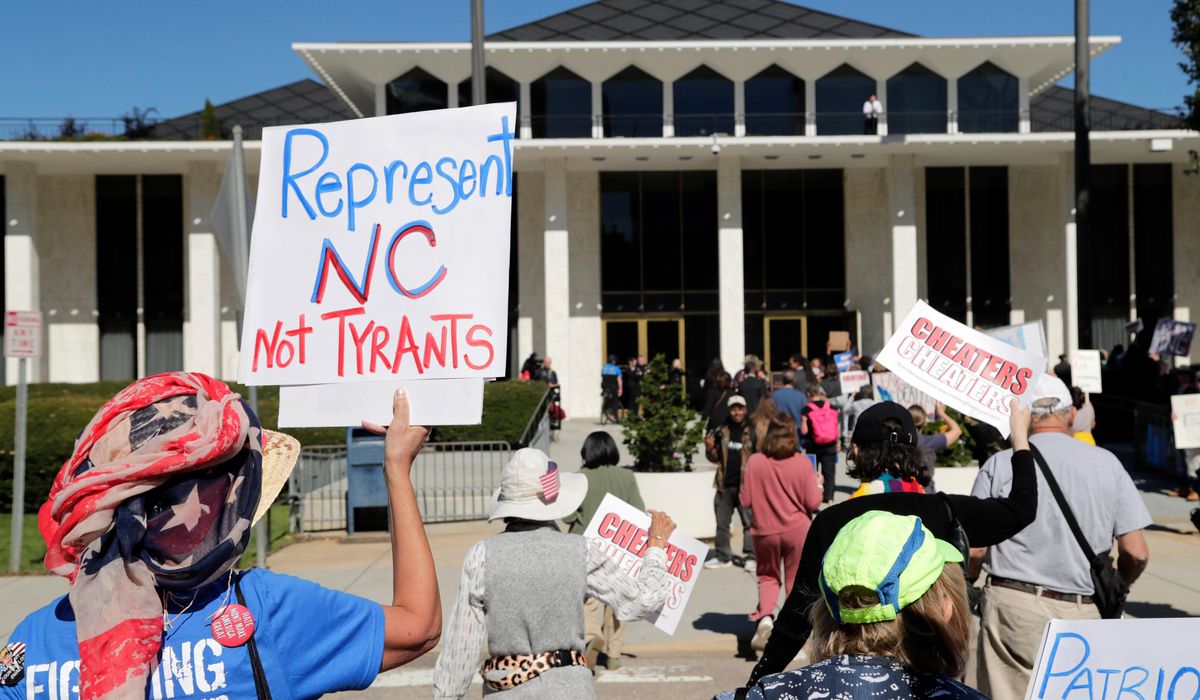
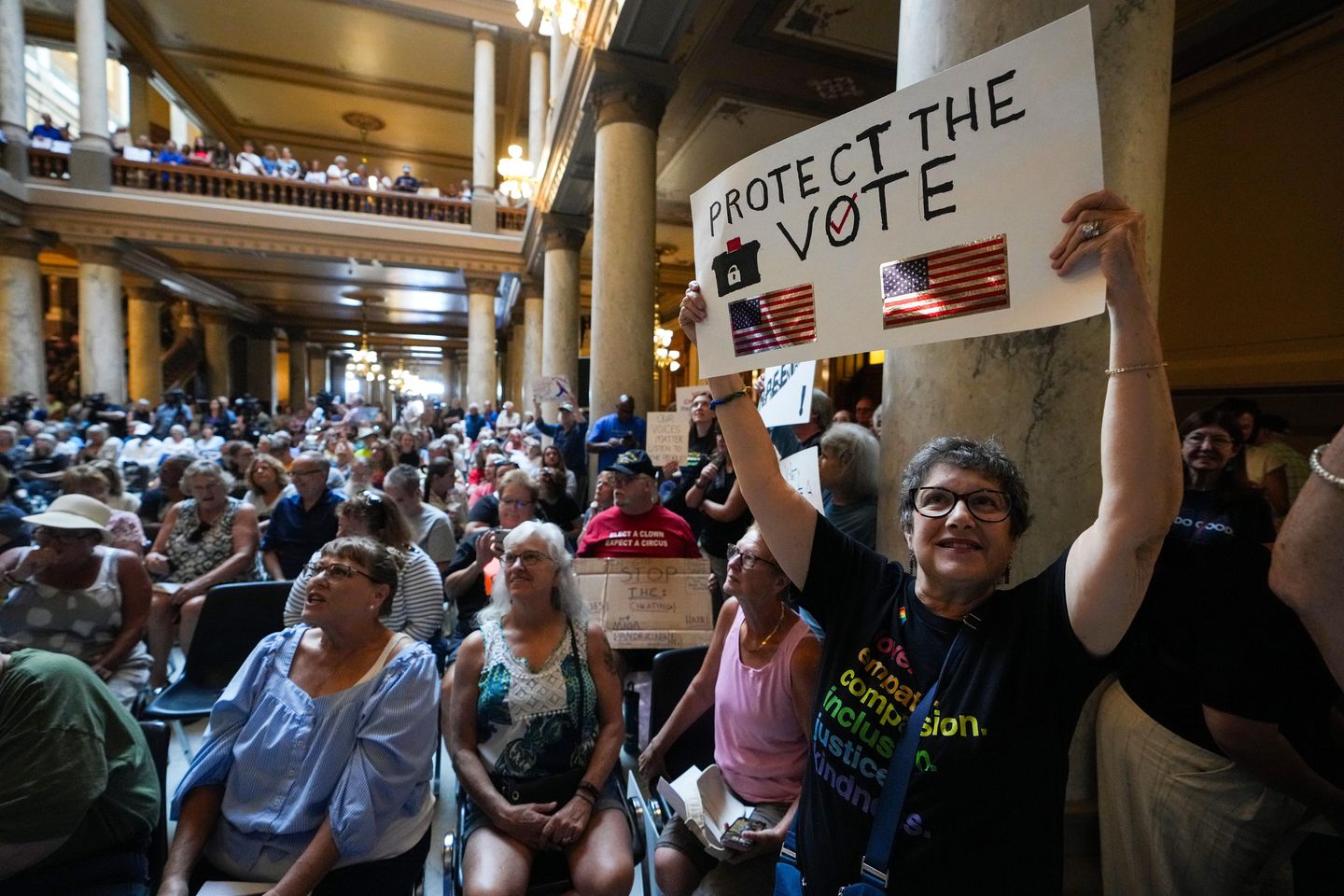
A push to reshape congressional voting districts, instigated by President Donald Trump, is sweeping across states as political parties vie for an edge in next year’s elections.
Trump is hoping to buck historical trends of the president’s party losing seats in midterm elections. Republican state officials have responded to his call by redrawing House districts to give the GOP a better chance of winning more seats. Democrats have countered with their own gerrymandering efforts.
Each House seat could be crucial because Democrats need to gain just three seats to take control of the chamber from Republicans and impede Trump’s agenda.
The unusual mid-decade redistricting has resulted, so far, in nine more seats that Republicans believe they can win and six more seats that Democrats think they can win, putting the GOP up by three. However, redistricting is being litigated in several states, and there’s no guarantee that the parties will win the seats they have redrawn.
Here are some key details about states that have adopted or considered new districts, including their deadlines for candidates to file for office:
Current map: 13 Democrats, 25 Republicans
New map: Republican Gov. Greg Abbott signed a revised House map into law on Aug. 29 that could help Republicans win five additional seats.
Challenges: The U.S. Supreme Court is considering whether the new districts can be used. A federal court panel on Nov. 18 had blocked the new map, citing evidence that it was “racially gerrymandered.”
Candidate deadline: Dec. 8
Current map: 43 Democrats, nine Republicans
New map: Voters on Nov. 4 approved revised House districts drawn by the Democratic-led Legislature that could help Democrats win five additional seats.
Challenges: The U.S. Department of Justice has joined a Republican lawsuit, alleging lawmakers illegally used race as a factor to favor Hispanic voters in new districts.
Candidate deadline: March 6
Current map: two Democrats, six Republicans
New map: Republican Gov. Mike Kehoe signed a revised House map into law Sept. 28 that could help Republicans win an additional seat.
Challenges: Opponents face a Dec. 11 deadline to submit petition signatures forcing a statewide referendum on the new map. Several lawsuits also challenge the legality of the new districts.
Candidate deadline: March 31
Current map: four Democrats, 10 Republicans
New map: The Republican-led General Assembly gave final approval Oct. 22 to revised districts that could help Republicans win an additional seat.
Challenges: A federal court panel on Nov. 26 denied a request to block the revised districts from being used in the 2026 elections.
Candidate deadline: Dec. 19
Current map: five Democrats, 10 Republicans
New map: A bipartisan panel composed primarily of Republicans voted Oct. 31 to approve revised House districts that improve Republicans’ chances of winning two additional seats.
Challenges: none. The state constitution required new districts because Republicans approved the prior map without Democratic support.
Candidate deadline: Feb. 4
Current map: no Democrats, four Republicans
New map: A judge on Nov. 11 imposed revised U.S. House districts that could help Democrats win a seat.
Challenges: Republicans are challenging the judicial map selection, which came after the court ruled that lawmakers had circumvented anti-gerrymandering standards passed by votes.
Candidate deadline: Jan. 8
Current map: two Democrats, seven Republicans
Proposed map: Revised districts being considered in December by the General Assembly could improve Republicans’ chances of winning two additional seats.
Challenges: Some Republican senators remain reluctant to support the revised map.
Candidate deadline: Feb. 6
Current map: eight Democrats, 20 Republicans
Proposed map: No revised districts proposed yet. A special state House committee on congressional redistricting is to hold an initial meeting Dec. 4.
Challenges: The state constitution says districts cannot be drawn with the intent to favor or disfavor a political party or incumbent.
Candidate deadline: April 24
Current map: six Democrats, five Republicans
Proposed map: No revised districts proposed yet. The Democratic-led General Assembly in October endorsed a proposed a constitutional amendment allowing mid-decade redistricting. Another legislative vote is needed during the regular session that begins Jan. 14 to refer the amendment to a statewide ballot.
Challenges: Time is limited to receive voter approval of an amendment before candidate filing.
Candidate deadline: April 2
Current map: two Democrats, four Republicans
Proposed map: No revised districts proposed yet. Republican Gov. Jeff Landry signed legislation in October to delay the state’s primary election from April 18 to May 16. That could give lawmakers extra time to redraw House districts if the Supreme Court overturns the current districts.
Challenges: The Supreme Court heard arguments in October, but it often waits until the end of its term in June to announce decisions.
Candidate deadline: Feb. 13
Current map: seven Democrats, one Republican
Proposed map: No revised districts proposed yet. Democratic Gov. Wes Moore has create a special commission on congressional redistricting.
Challenges: The Democratic Senate president has said his chamber won’t move forward with redistricting because of concerns the effort to gain another Democratic seat could backfire.
Candidate deadline: Feb. 24
Current map: 14 Democrats, three Republicans
Proposed map: The Democratic Congressional Campaign Committee in October proposed a map that would improve Democrats’ chances of winning an additional seat.
Challenges: The Democratic-led General Assembly has not taken up redistricting, citing concerns about the effect on representation for Black residents.
Candidate deadline: closed Nov. 3
Current map: one Democrat, three Republicans
Proposed map: No revised districts proposed yet. The Republican-led Legislature could consider redistricting during a regular session that starts Jan. 12.
Challenges: Republican lawmakers dropped a petition drive to call themselves into a special session on congressional redistricting in November because they lacked enough support.
Candidate deadline: June 1
Current map: 19 Democrats, seven Republicans
Proposed map: No revised districts proposed yet. Democratic state lawmakers have proposed a constitutional amendment to allow mid-decade redistricting.
Challenges: An amendment would need approval by the Legislature in two separate sessions to be placed on the statewide ballot. That means new districts would not be in place before the 2026 election.
Candidate deadline: April 2
Current map: four Democrats, four Republicans
Proposed map: No revised districts proposed yet. Democratic Attorney General Phil Weiser, a gubernatorial candidate, has expressed support for a constitutional amendment to allow mid-decade redistricting.
Challenges: An amendment would need to go on a statewide ballot before new districts could be implemented.
Candidate deadline: March 17
Current map: no Democrats, three Republicans
Proposed map: No revised districts proposed yet. Republican Gov. Jim Pillen has expressed support for mid-decade redistricting to try to shore up a competitive district.
Challenges: The regular legislative session begins Jan. 7, but some Republican lawmakers remain reluctant to undertake mid-decade redistricting.
Candidate deadline: March 1
Current map: two Democrats, six Republicans
Proposed map: No revised districts proposed yet. The state Supreme Court on Nov. 25 ordered judicial panels to hear two lawsuits claiming congressional districts must be redrawn because they unconstitutionally favor Republicans.
Challenges: It’s unclear whether the legal cases can be resolved in time for the 2026 elections.
Candidate deadline: June 1