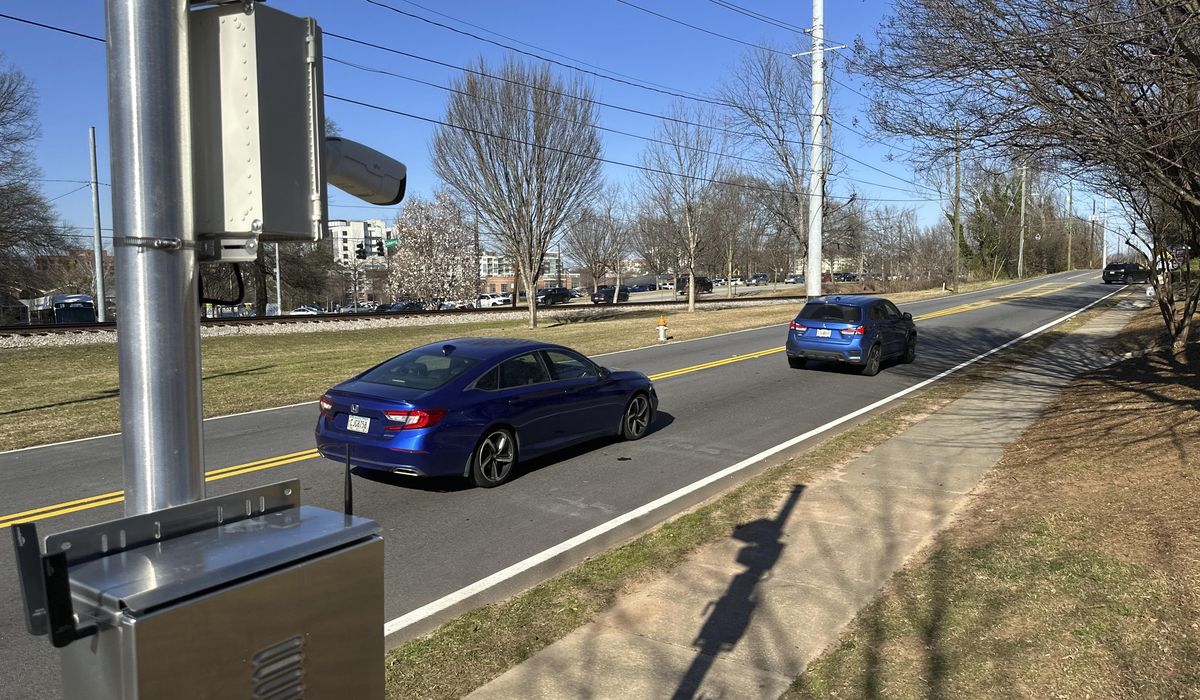
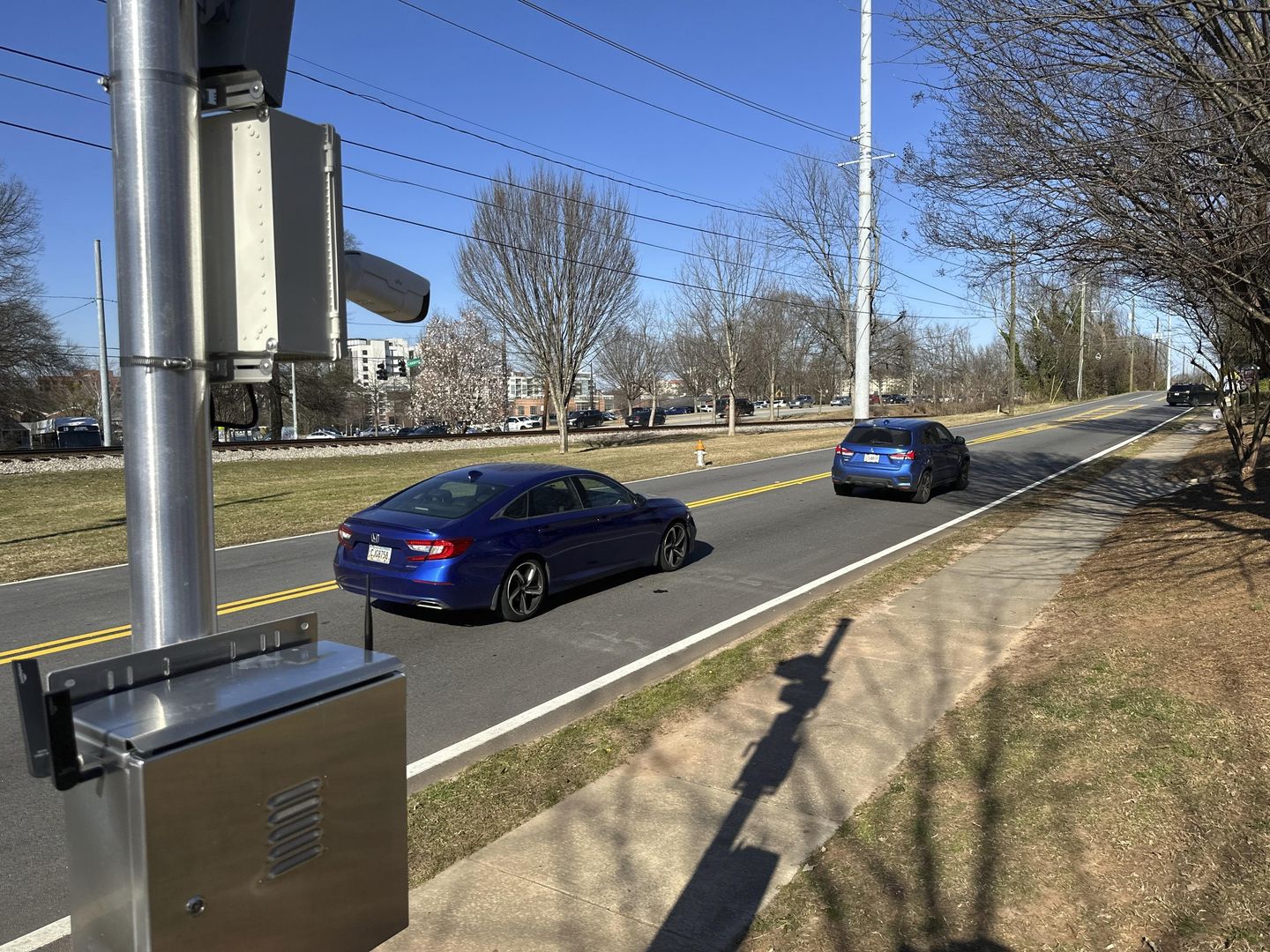
The Trump administration is looking at doing away with the District’s expansive traffic camera system that has provided a key revenue stream for the city’s coffers by targeting speeders and red-light runners.
The Department of Transportation is seeking to ban “the operation of automated traffic camera enforcement” in the District, according to a proposal included in a surface transportation bill set to go before Congress.
That would mean the nearly 550 speed, red-light and stop-sign cameras scattered throughout the District would be rendered useless, cutting off a funding mechanism that has generated more than $600 million in fines for the District the past three fiscal years.
The federal agency, which has not publicly discussed the proposal first obtained by Politico, told The Washington Times that it is “constantly examining a broad set of preliminary policy options on transportation matters. Many policy options are currently under internal review.”
D.C. Mayor Muriel Bowser and D.C. Council Chairman Phil Mendelson, both Democrats, could not be reached for comment.
But council member Charles Allen, the Ward 6 Democrat who chairs the council’s Transportation Committee, said the proposal would make the District’s streets more hazardous.
“Federal DOT trying to scrap road safety in D.C. Wrong to frame this about money,” Mr. Allen posted on X. “While it would have a huge impact on city finances, more damaging effect is on safety. Just as we’re lowering traffic injuries & deaths, this would give a green light to dangerous drivers on our roads.”
Republicans in Congress have come to see the cameras as a cash cow for D.C. officials that needs to be nipped in the bud.
“Cameras are a shameless money grab that continuously deter tourists, aggravate commuters and residents and literally attack local residents with hundreds of dollars in fines,” Rep. Scott Perry said during the House Oversight Committee hearing last fall.
The Pennsylvania Republican’s proposal to nix the camera enforcement system was passed out of committee on a party-line vote.
“These automated cameras were expected to yield over $1 billion between 2024 and 2028, with revenue declining over time as people figure out where they are,” he said at the time. “It doesn’t really make anybody safer — it just generates revenue.”
A brief from the Transportation Department’s own Federal Highway Administration found that speed cameras do cut down on serious crashes in other parts of the country.
Cameras positioned on major roads reduced all crashes by 54% and injurious crashes by 48%, according to the FHA. The brief further cited how cameras on freeways and expressways helped lower fatal and injurious crashes by 37%.
The results have been more mixed in the District
The Metropolitan Police Department last year recorded 25 traffic fatalities, which include pedestrian, cyclist and motorist-related deaths. It was the city’s lowest number since 2012.
But in 2023 and 2024, when the bulk of Washington’s traffic cameras were already in operation, the nation’s capital witnessed 52 traffic fatalities. Those were the highest numbers for the District since the 54 roadway deaths in 2007.
Ms. Bowser promised to eliminate traffic deaths in the District by 2024 when she launched her Vision Zero initiative 11 years ago. Installing more traffic cameras around the city was intended to achieve that goal.
Republicans in both the White House and Congress have not been shy about usurping the District’s local governance since President Trump returned to office.
Mr. Trump launched a citywide crime crackdown last summer that involved federalizing the Metropolitan Police Department, surging federal agents onto D.C. streets and deploying more than 2,000 National Guard troops.
U.S. Attorney for the District of Columbia Jeanine Pirro said this week that the crime-fighting operation caused killings, carjackings and muggings to plummet. She said there have been more than 8,400 arrests and 850 guns seized in the ongoing public safety push that started in August.
Meanwhile, the city erased a Black Lives Matter street mural that sat directly north of the White House on 16th Street Northwest.
The mural, which was painted in 2020 amid the nationwide police brutality protests, was removed shortly after Rep. Andrew Clyde, Georgia Republican, proposed cutting some federal funds for Washington if the name were allowed to remain.
Ms. Bowser said the mural was going to be scrubbed anyway so new artwork to celebrate the nation’s 250th anniversary could take its place.
House Republicans passed a slew of bills last fall looking to reorient the District’s public safety laws.
Proposals allowing children as young as 14 to be charged as adults, preventing judges from giving juveniles lenient sentences, relaxing police pursuit rules and giving the president greater say in D.C. Superior Court appointments were passed by the House in September.
Two months later, lawmakers approved bills that would eliminate the District’s cashless bail system and another bill that would repeal police prohibitions on chokeholds and certain crowd control tactics.
The D.C. Police Union said the latter statute removed legal protections for officers and has discouraged people from joining and staying with the Metropolitan Police Department, which has been at a 50-year low in officers the past three years.