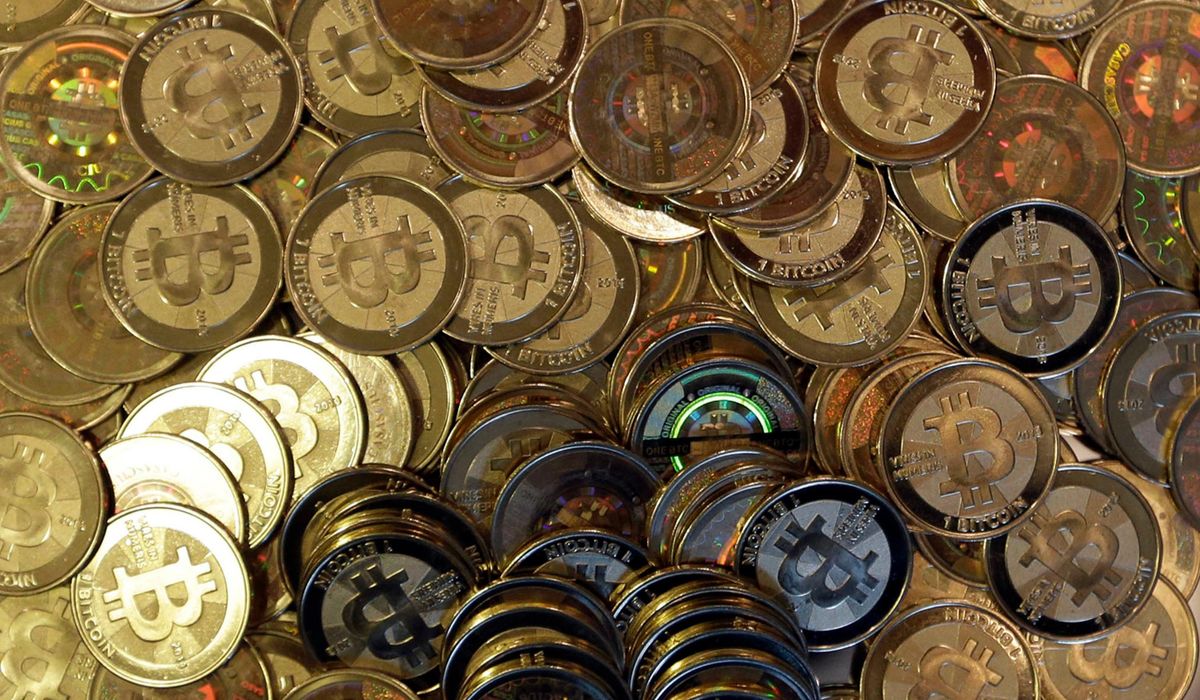
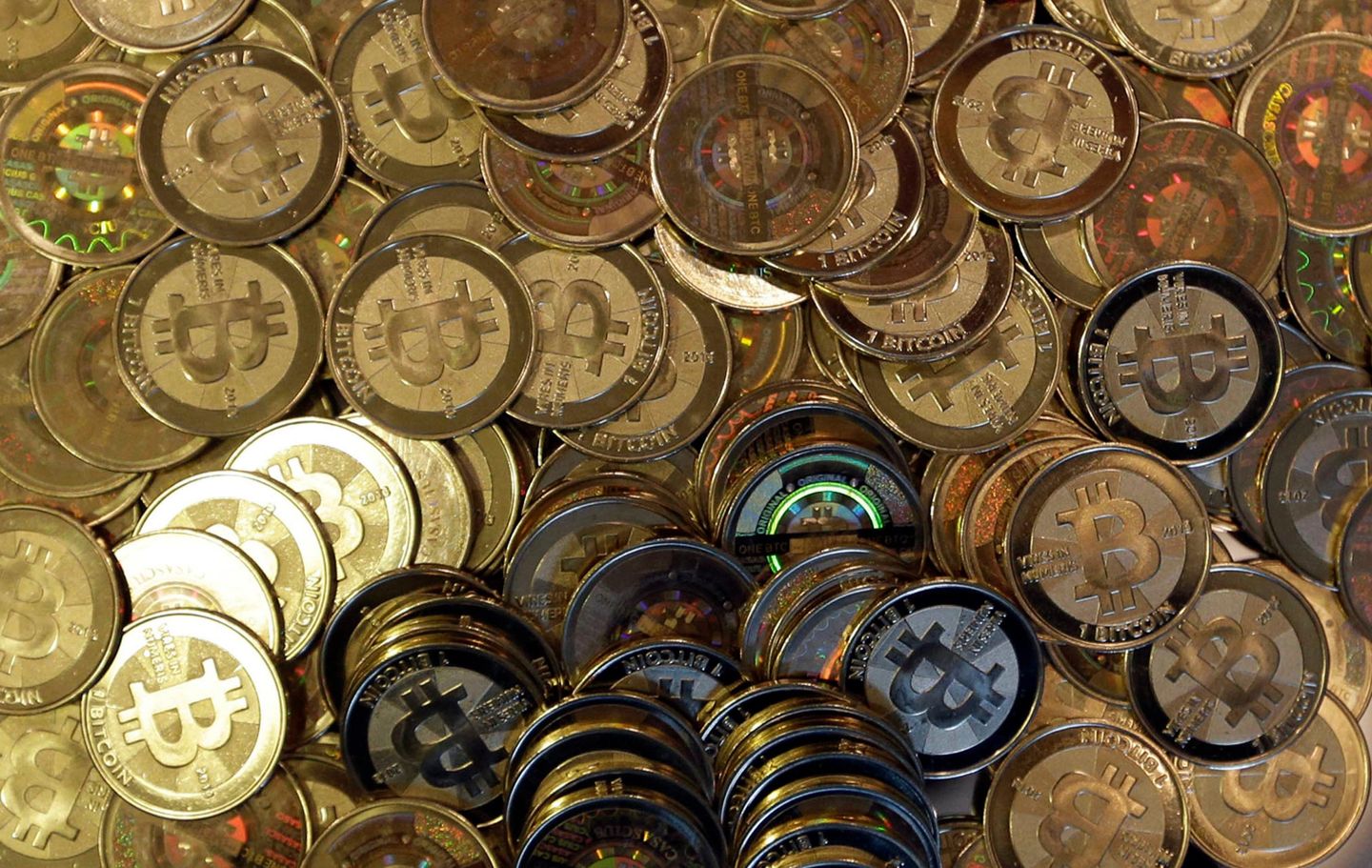
Bitcoin slid decisively under the $70,000 mark this week, briefly trading near $67,000 as selling pressure intensified across financial markets. The move represents Bitcoin’s weakest level since late 2024 and underscores how sharply sentiment has shifted following last year’s rally, the Financial Times reported.
The latest decline has renewed warnings from bearish analysts. Strategists at Stifel argue that Bitcoin could fall as low as $38,000 if historical correction patterns repeat. In a recent note to clients cited by Barron’s, the firm said prolonged risk aversion could push prices well below current support levels.
Technical analysts are also flagging vulnerability in Bitcoin’s chart structure. Veteran trader Peter Brandt has pointed to weakening patterns that suggest further downside is possible, though he has stopped short of assigning a specific price target. Other market participants share that concern, warning that momentum remains unstable amid heightened volatility, as BeInCrypto has noted.
Skepticism has also come from high-profile investors. Michael Burry, the hedge fund manager made famous by his bet against the U.S. housing market before the 2008 crisis, has cautioned that Bitcoin’s decline could accelerate without renewed fundamental demand. Mr. Burry has argued that the cryptocurrency lacks an inherent use case that would naturally arrest its fall, Business Insider reported.
Many analysts see $70,000 as a critical threshold for market psychology. A sustained break below that level could leave Bitcoin exposed to a slide toward the mid-$60,000 range or lower as traders reassess their risk appetite, CoinDesk reported in a recent analysis.
Measures of investor sentiment reflect growing anxiety across crypto markets. The Crypto Fear and Greed Index has slipped deep into fear territory, mirroring broader risk-off behavior across asset classes. That shift has coincided with continued withdrawals from crypto-linked investment products, reducing liquidity and intensifying price swings, Invezz reported.
SEE ALSO: How a Trump Media deal with a crypto firm exposes potential conflicts of interest
Macro forces are also weighing on the market. Weakness in technology stocks and wider equity benchmarks has dragged Bitcoin lower, reinforcing its tendency to trade alongside risk assets rather than acting as a hedge in times of uncertainty. That dynamic challenges the long-standing “digital gold” narrative, as Barron’s observed.
Blockchain data adds further nuance to the picture. Some long-term holders appear to be reducing exposure during the downturn, while retail investors show signs of capitulation. At the same time, large holders are believed to be accumulating positions quietly, suggesting diverging strategies among different segments of the market, based on analysis cited by Invezz.
Despite the prevailing caution, not all observers are pessimistic. Some analysts point out that Bitcoin’s valuation relative to gold has reached historically depressed levels, a metric that has previously preceded rebounds. Others suggest that shifts in monetary policy expectations or changes in Federal Reserve leadership could eventually help stabilize prices, a view highlighted by Invezz.
For now, seasoned market watchers stress restraint. Rather than predicting a definitive bottom or collapse, they advise investors to recognize the heightened volatility and assess their own risk tolerance carefully before making new commitments, CoinDesk noted.
This article is written with the assistance of generative artificial intelligence based solely on Washington Times original reporting and wire services. For more information, please read our AI policy or contact Steve Fink, Director of Artificial Intelligence, at sfink@washingtontimes.com
The Washington Times AI Ethics Newsroom Committee can be reached at aispotlight@washingtontimes.com.