OPINION:
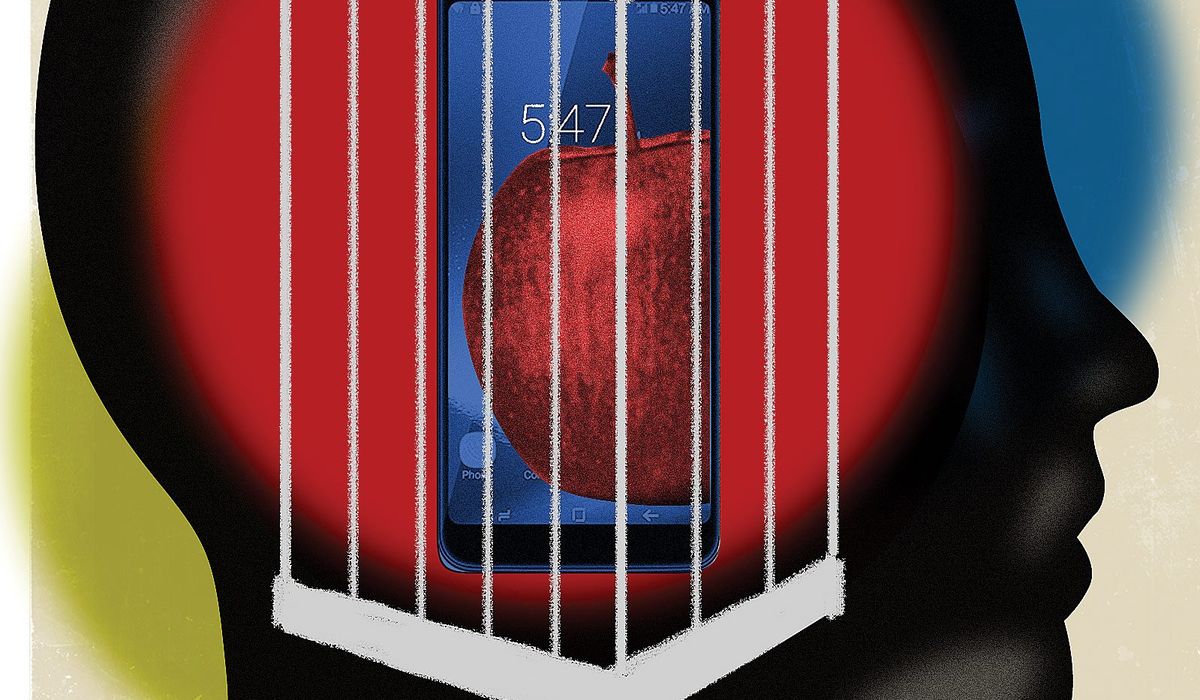
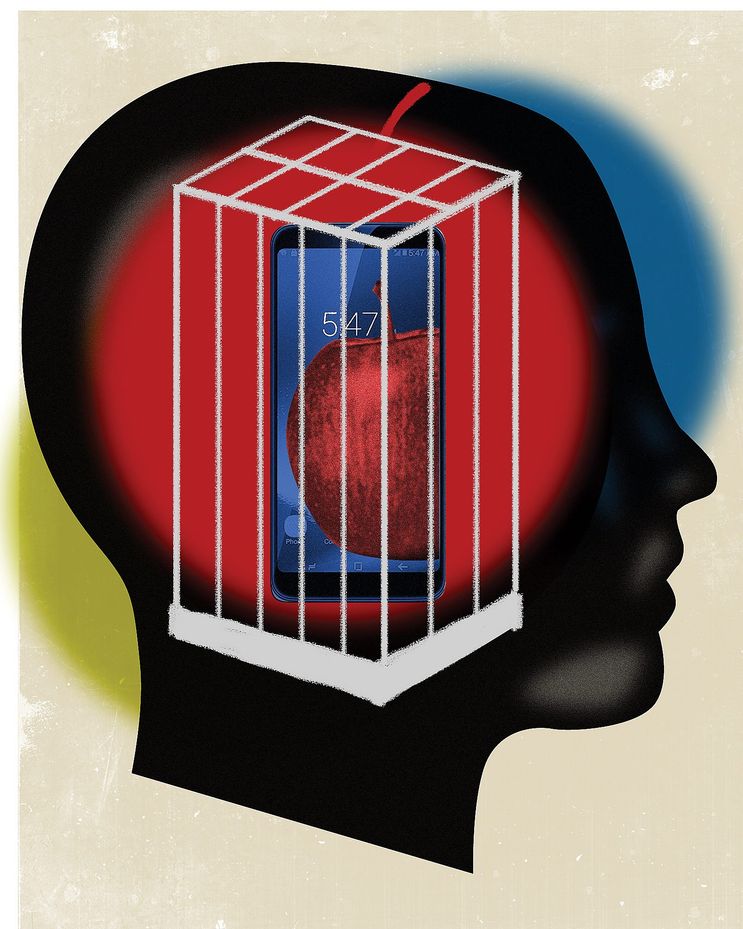
Neurological science is catching up with the tech revolution. Our brains, a growing body of research shows, are sitting ducks for the stimuli found on cellphones, social media and computer screens, making us want even more.
The 24/7 news feed makes it tough to relax when a crisis is always going on somewhere, and we can engage in “doom scrolling.” Our bodies emit “fight or flight” chemicals when we feel endangered, anxious or stressed. Adrenaline and cortisol rev us up to fight off the threat. They are part of our God-given survival equipment.
Like guests who overstay their welcome, however, the chemicals sometimes won’t go away when we need them to do so. Hence, we hit a down cycle, which triggers another craving for the stimulus. Talk to any successful performer about what happens to their heads after a live show; the “high” crashes until the next high is found.
Social neuroscientists have found “that our nervous systems can get stuck in a state they call social vigilance,” filmmaker and author Kay Rubacek writes in The Epoch Times. “It’s the biological version of always looking over your shoulder.”
She adds, “Stress hormones suppress the brain’s higher functions, such as reason, empathy, and long-term thinking. They strengthen the parts wired for fear and reaction.”
Addictions, while difficult to break, are not complicated. They begin with a natural appetite for something good but can evolve into dependency when abused. People can be addicted to drugs, alcohol, sex, power, screen time, food, almost anything. The seven deadly sins have sway over us because they make us feel good — temporarily.
As the addiction develops, the brain creates faster pathways to pleasure while reducing the overall effect. Thus, the addict requires more of a “fix” each time, resulting in less satisfaction.
In a moral context, addictions result from giving in to the temporary pleasures of sin — that is, vices — over the gains of delayed gratification.
A rabbi once put it this way: “Sin begins as thin as a spider’s web but soon becomes a thick cord that binds.” Psychiatrist Jeffrey Satinover says this is roughly equivalent to how the brain rewires itself to become addicted, as repetition alters neurological pathways.
In a recent essay for the Centennial Review, Clare Morell of the Ethics and Public Policy Center explains why constant online stimulation poses a particular danger to developing minds. “Between the ages of 10 and 12 children’s dopamine receptors in the brain are multiplying. Dopamine is a neurotransmitter — specifically, it gives the brain a burst of pleasure when we do something that makes us happy or gives us satisfaction. We can get that from eating sugar — or in the case of social media and smartphones, from social approval, feedback or rewards. … It is literally rewiring kids’ brains and causing addiction.”
The constant instant gratification, she warns, “stunts the development of our prefrontal cortex, which is responsible for our self-control and our impulse regulation, thus also stunting their ability to actually develop into fully mature adults.”
The prefrontal cortex does not develop fully in males until age 25 or so, which explains a lot of things, such as age- and sex-based auto insurance rates. No fair!
All this said, young people are particularly vulnerable to the digital siren song, and more people are looking for culprits and solutions. In 2023, a group of attorneys general from more than 30 states filed a lawsuit in U.S. District Court for the Northern District of California against several Big Tech companies, accusing them of deliberately hooking children on their products. In late November, a group of school districts and attorneys general filed another lawsuit in the same court.
“Meta, Google, TikTok, and Snap designed social media products they knew were addictive,” the lawsuit says, a charge the companies deny. “[Instagram] is a drug … we’re basically pushers,” Meta researchers said in an internal chat, the filing said. Snapchat executives once noted that people who “have the Snapchat addiction have no room for anything else. Snap dominates their life.”
When immediate gratification is king, socialism is particularly seductive, especially to young people. Democrats such as New York Mayor-elect Zohran Mamdani understand this and exploit it to build their “free stuff” army.
On average, American teens spend seven hours and 22 minutes per day looking at screens, according to the trend tracker site Exploding Topics.
Even if you don’t have children or grandchildren, you might think about what kind of world we’re going to live in when they take over. Being a grown-up takes a lot of deferred gratification.
On the positive side, a Barna Group survey released in September showed a resurgence in church attendance, led by young adults. “For the first time in decades, younger adults — Gen Z and Millennials — are now the most regular churchgoers, outpacing older generations, who once formed the backbone of church attendance. Younger adults are showing spiritual curiosity and a desire for belonging.”
Other studies show similar trends, particularly among young men looking for higher pursuits than endless hours on the screens.
With the rise of artificial intelligence, we keep hearing that humanity may soon have godlike powers. Still, the Creator of the universe will always have the final word, as related in Psalm 2: “Why do the nations rage, and the people plot a vain thing? …. He who sits in the heavens shall laugh.”
• Robert Knight is a columnist for The Washington Times. His website is roberthknight.com.